In today’s rapidly evolving technological landscape, businesses are constantly seeking innovative ways to leverage artificial intelligence (AI) to enhance their operations and gain a competitive edge. One area that has garnered significant attention is generative AI development. By harnessing the power of generative AI, companies can unlock new creative possibilities and generate unique solutions to complex problems. In this blog post, we will explore the capabilities and benefits of generative AI development services offered by LeewayHertz, a leading generative AI development company.
What is Generative AI Development?
Generative AI development involves the creation and utilization of AI models that have the ability to generate new and original content. These models learn from large datasets and use that knowledge to create novel outputs such as images, text, music, and more. Generative AI algorithms enable computers to learn patterns and generate realistic content that can mimic human creativity. This technology has wide-ranging applications across industries, including art, design, healthcare, finance, and entertainment.
LeewayHertz: A Pioneer in Generative AI Development
LeewayHertz is a renowned generative AI development company that specializes in delivering cutting-edge AI solutions to businesses worldwide. With a team of experienced AI developers, data scientists, and designers, LeewayHertz combines technical expertise with creativity to develop custom generative AI models tailored to specific client requirements.
Generative AI Development Services Offered by LeewayHertz
Image Generation
LeewayHertz leverages generative AI techniques such as generative adversarial networks (GANs) to create stunning and realistic images. From generating new product designs to creating visual content for marketing campaigns, their image generation services offer businesses unparalleled opportunities for creativity and innovation.
Text Generation
With their text generation capabilities, LeewayHertz enables businesses to automate content creation, streamline customer interactions, and enhance natural language processing tasks. Their generative AI models can generate human-like text, including articles, product descriptions, chatbot responses, and more.
Music Generation
LeewayHertz’s expertise in generative AI extends to the realm of music generation. By training AI models on vast music datasets, they can create original compositions, harmonies, and melodies that resonate with listeners. This opens up exciting possibilities for the entertainment industry, music production, and personalized soundtracks for various applications.
Video Generation
Harnessing the power of generative AI, LeewayHertz can develop AI models capable of generating videos based on specific input criteria. Whether it’s creating dynamic visual effects, generating synthetic training data, or producing personalized video content, their video generation services are at the forefront of innovation.
Benefits of Generative AI Development Services
Enhanced Creativity and Innovation
Generative AI development empowers businesses to break free from conventional thinking and explore new frontiers of creativity. By generating unique and original content, companies can differentiate themselves in the market and captivate their target audience.
Time and Cost Savings
Automating content generation and other repetitive tasks through generative AI can significantly reduce time and costs associated with manual labor. This allows businesses to allocate resources more efficiently and focus on higher-value activities.
Personalization and Customization
Generative AI models can be trained to understand individual preferences and generate personalized content for customers. This level of customization enhances user experiences, strengthens customer engagement, and fosters brand loyalty.
Data-driven Decision Making
Generative AI development enables businesses to extract valuable insights from large datasets and make data-driven decisions. By uncovering hidden patterns and trends, companies can gain a competitive advantage and drive innovation within their industries.
Conclusion
Generative AI development services offered by companies like LeewayHertz have revolutionized the way businesses approach creativity, content generation, and problem-solving. By leveraging the power of generative AI, organizations can unlock new possibilities, streamline operations, and stay ahead in an increasingly competitive market. As the demand for innovative solutions grows, partnering with a reputable generative AI development company like LeewayHertz becomes crucial for businesses looking to harness the full potential of this transformative technology.
In the ever-evolving landscape of artificial intelligence, one area that has gained significant attention in recent years is Generative AI Models. These remarkable systems have opened up new possibilities in various industries, from art and entertainment to healthcare and finance. In this article, we will take a closer look at generative AI models, their applications, and their impact on the world today.
What Are Generative AI Models?
Generative AI models are a subset of artificial intelligence that focuses on creating something new. Unlike traditional AI, which often works on predefined rules and data, generative AI models have the ability to generate content autonomously. This content can be in the form of text, images, videos, music, and more.
At the core of generative AI models are neural networks, specifically Generative Adversarial Networks (GANs) and Variational Autoencoders (VAEs). These networks are designed to learn patterns and structures from large datasets and then use this knowledge to create new, original content.
Applications of Generative AI Models
The applications of generative AI models are vast and continue to expand. Here are some of the key areas where these models are making a significant impact:
Art and Creativity: Generative AI is being used to create art, music, and literature. Artists and musicians are collaborating with AI to produce unique pieces that challenge the boundaries of creativity.
Content Generation: Content creators are leveraging generative AI to produce articles, videos, and social media posts. This can be a game-changer for marketers and publishers looking to generate high-quality content at scale.
Healthcare: In the medical field, generative AI models are aiding in drug discovery, medical image analysis, and the creation of personalized treatment plans.
Gaming: The gaming industry is using generative AI to develop realistic game environments, characters, and even game narratives that adapt to the player’s actions.
Finance: In finance, generative AI is used for risk assessment, fraud detection, and the generation of financial reports.
Language Translation: Language models like GPT-3 have revolutionized language translation, making it more accurate and accessible.
Challenges and Ethical Considerations
While generative AI models hold immense promise, they also come with challenges and ethical considerations. One significant concern is the potential for misuse, such as the generation of deepfake videos or the spread of misinformation. Additionally, the biases present in training data can be perpetuated in generated content, leading to issues of fairness and equity.
Conclusion
Generative AI models are at the forefront of innovation in artificial intelligence. Their ability to create new and original content has the potential to transform numerous industries. However, it’s crucial to approach their development and use with ethical considerations in mind to ensure that the benefits are harnessed responsibly.
In recent years, Generative Pre-trained Transformers (GPT) have taken the world of artificial intelligence by storm. These versatile models have applications ranging from natural language processing to image generation, making them a valuable asset for various industries. If you’re looking to harness the power of GPT for your projects, you’ve come to the right place. In this guide, we’ll take you through the steps to create a GPT model from scratch.
Understanding the Basics
Before diving into the technical details, let’s briefly explore what GPT is and why it’s so remarkable. GPT, short for Generative Pre-trained Transformer, is a type of deep learning model that has been pre-trained on a massive corpus of text data. This pre-training enables it to understand and generate human-like text. Here are the key components of a GPT model:
Transformer Architecture: GPT models are built upon the Transformer architecture, known for its ability to handle sequential data efficiently. This architecture forms the foundation of the model’s deep learning capabilities.
Pre-training: Before fine-tuning for specific tasks, GPT models go through a pre-training phase. During this phase, they learn to predict the next word in a sentence, absorbing a vast amount of linguistic knowledge from the training data.
Fine-tuning: After pre-training, GPT models can be fine-tuned for various tasks like language translation, text summarization, or even code generation. Fine-tuning adapts the model to the specific requirements of your project.
Building a GPT Model Step by Step
Now, let’s walk through the process of creating a GPT model from scratch:
1. Data Collection and Preprocessing:
Begin by gathering a diverse dataset relevant to your project.
Clean and preprocess the data to remove noise and irrelevant information.
2. Model Architecture:
Choose a deep learning framework like TensorFlow or PyTorch.
Implement the core Transformer architecture, which includes attention mechanisms and positional encodings.
3. Pre-training:
Initialize your model with pre-trained weights from a general-purpose GPT model.
Fine-tune the model on your specific dataset.
4. Fine-tuning for Your Task:
Define the task-specific objectives such as text generation or sentiment analysis.
Modify the model’s architecture and retrain it on your task-specific data.
5. Evaluation and Optimization:
Evaluate your model’s performance using appropriate metrics.
Fine-tune hyperparameters and experiment with different configurations to improve results.
6. Deployment:
Once you’re satisfied with your GPT model’s performance, deploy it in your desired environment, whether it’s a web application, chatbot, or any other application.
7. Monitoring and Maintenance:
Continuously monitor your model’s performance in the real-world environment.
Make updates and improvements as needed to keep it accurate and reliable.
Conclusion
Building a GPT model from scratch is a complex yet rewarding journey. It enables you to harness the power of generative AI for a wide range of applications. Whether you’re developing chatbots, content generators, or language translation tools, understanding how to create a GPT model is a valuable skill. Remember that it’s essential to stay updated with the latest advancements in the field and continuously improve your model for optimal results.
Top Enterprise AI Development Companies: Driving Innovation for Businesses
In today’s rapidly evolving digital landscape, artificial intelligence (AI) has emerged as a transformative force, redefining the way businesses operate and interact with their customers. Among the various facets of AI, enterprise AI development stands out as a driving force behind innovation and growth in the corporate world. In this article, we will explore the world of enterprise AI development and highlight some of the top companies, including LeewayHertz and Markovate, that are at the forefront of this dynamic field.
Artificial intelligence and machine learning concept landing page. Artificial intelligence banner. Chat bot, digital assistant concept. Cyber robot deals with Web development coding and programming
The Power of AI in the Enterprise
Artificial intelligence has transcended its status as a buzzword to become a strategic imperative for businesses across industries. From enhancing customer experiences to optimizing operations and making data-driven decisions, AI is proving to be a game-changer. In the heart of this AI revolution are enterprise AI development companies that specialize in crafting tailor-made AI solutions to address the unique challenges faced by businesses.
Why Enterprise AI Development Matters
Enterprise AI development is distinct from general AI development in that it focuses on creating AI solutions specifically designed to meet the needs of businesses. These solutions can vary widely, from customer service chatbots and recommendation engines to supply chain optimization and predictive analytics. The key differentiator is that these AI systems are customized to align with a company’s objectives and industry requirements.
So, why does enterprise AI development matter? Here are some compelling reasons:
Competitive Advantage: In today’s competitive business landscape, staying ahead of the curve is essential. AI-powered solutions can provide a significant competitive advantage by automating processes, improving decision-making, and offering insights that can lead to innovation.
Enhanced Customer Experiences: AI-driven chatbots and virtual assistants are changing the way companies engage with their customers. These tools can provide instant support, answer queries, and even anticipate customer needs, leading to higher customer satisfaction and loyalty.
Cost Efficiency: By automating repetitive tasks and optimizing resource allocation, AI can result in substantial cost savings for businesses. This efficiency is particularly crucial in industries with tight profit margins.
Data-Driven Insights: AI systems can process vast amounts of data to extract actionable insights. These insights can inform strategic decisions, help identify market trends, and guide product development.
Scalability: AI solutions can scale to handle increased workloads without a proportional increase in resources, making them ideal for growing businesses.
Top Enterprise AI Development Companies
Now that we understand the significance of enterprise AI development, let’s explore some of the top companies that are leading the charge in this field:
LeewayHertz: LeewayHertz is known for its expertise in enterprise AI development, delivering customized solutions across various industries. They have a strong track record in crafting AI solutions that meet specific business needs.
Markovate: Markovate is a notable player in the AI development landscape, known for its innovative solutions that enhance business operations. They offer a range of AI-powered services to drive growth and efficiency.
Microsoft AI: Microsoft’s Azure AI platform provides a comprehensive set of tools and services for enterprise AI development. Their expertise extends to chatbots, cognitive services, and custom machine learning models.
Google Cloud AI: Google Cloud offers a suite of AI and machine learning tools that are widely adopted by enterprises. Their offerings include natural language processing, image and video analysis, and recommendation systems.
IBM Watson: IBM Watson is a pioneer in enterprise AI development, offering a range of AI-powered services and solutions. They have a strong presence in industries like healthcare, finance, and manufacturing.
Amazon Web Services (AWS): AWS offers a robust set of AI and machine learning services, including Amazon SageMaker for building, training, and deploying machine learning models. They cater to a broad spectrum of industries.
Intel AI: Intel is known for its hardware innovations, and they have a strong presence in AI development with offerings such as Intel Nervana for deep learning and neural network acceleration.
NVIDIA AI: NVIDIA specializes in AI hardware, including GPUs optimized for machine learning tasks. They are a go-to choice for companies working on AI-intensive applications like autonomous vehicles and deep learning research.
Accenture: Accenture is a global consulting and professional services firm with a robust AI practice. They assist businesses in implementing AI strategies and solutions tailored to their specific needs.
Cognizant: Cognizant offers a wide range of AI and machine learning services, helping enterprises leverage AI for enhanced decision-making, automation, and innovation.
These companies, including LeewayHertz and Markovate, are known for their expertise, technological prowess, and track record of successful AI implementations in enterprise settings. When businesses partner with these enterprise AI development companies, they gain access to cutting-edge AI solutions that can drive growth, efficiency, and innovation.
Conclusion
In the digital age, enterprise AI development has become a linchpin of business success. It empowers companies to harness the power of AI to address their unique challenges and achieve their goals. The top enterprise AI development companies mentioned in this article, including LeewayHertz and Markovate, are paving the way for a future where AI is not just a buzzword but an integral part of business strategy. As AI continues to evolve, these companies will play a crucial role in shaping its trajectory and ensuring that businesses can thrive in the AI-driven era.
Top AI Development Companies: Leading the Charge in AI Innovation
In the realm of artificial intelligence (AI), innovation is the driving force that propels industries forward and shapes the future. As AI technologies continue to evolve, companies specializing in AI development play a pivotal role in pushing the boundaries of what’s possible. In this article, we will introduce you to some of the top AI development companies worldwide, showcasing their contributions, groundbreaking projects, and how they are leading the charge in AI innovation.
AI Development: A Catalyst for Transformation
Artificial intelligence has transitioned from a niche field into a powerful catalyst for transformation across industries. From healthcare and finance to manufacturing and entertainment, AI is revolutionizing the way businesses operate and how people interact with technology. This transformation is driven by the relentless efforts of AI development companies that are pushing the envelope and fostering innovation.
Why AI Development Matters
AI development goes beyond just creating algorithms and models; it involves shaping the future. Here are some compelling reasons why AI development matters:
Technological Advancement: AI development companies are at the forefront of technological innovation, constantly pushing the boundaries of what AI can achieve.
Solving Complex Problems: AI is being applied to complex problems like disease diagnosis, climate modeling, and autonomous driving, where AI development is crucial.
Enhancing User Experiences: AI-driven applications are improving user experiences in areas such as voice assistants, recommendation systems, and personalized content delivery.
Improving Efficiency: AI automates tasks and processes, leading to increased efficiency and cost savings for businesses.
Innovation Across Industries: AI development is driving innovation in industries ranging from e-commerce and gaming to healthcare and transportation.
Top AI Development Companies
Now, let’s take a closer look at some of the top AI development companies that are at the forefront of AI innovation:
LeewayHertz: LeewayHertz specializes in AI development, offering customized solutions for businesses across industries. They are known for their expertise in crafting AI solutions tailored to specific needs.
Markovate: Markovate is a notable player in AI development, focusing on innovative solutions that enhance business operations. Their AI-powered services drive growth and efficiency.
NVIDIA AI: NVIDIA is renowned for its AI hardware, including GPUs designed for AI and machine learning tasks. They provide the essential infrastructure that powers AI development around the world.
IBM Watson: IBM Watson is a pioneer in AI development, with a wide range of AI-powered solutions for businesses. Their AI expertise spans various industries, from healthcare to finance.
Facebook AI Research (FAIR): FAIR is Facebook’s AI research division, known for contributions to computer vision, natural language processing, and reinforcement learning. They are behind popular frameworks like PyTorch.
DeepMind: DeepMind, a subsidiary of Alphabet Inc. (Google’s parent company), specializes in deep reinforcement learning and has made significant advancements in AI research. They are behind AlphaGo, which famously defeated a human Go champion.
OpenAI: OpenAI is a research organization dedicated to developing and promoting friendly AI for the betterment of humanity. They are known for GPT-3, a state-of-the-art language model, and their commitment to responsible AI.
Intel AI: Intel provides AI hardware and software solutions, along with a deep learning framework called Intel Nervana. They are an essential part of the AI ecosystem.
Google AI: Google is a powerhouse in AI development, with contributions in natural language processing, computer vision, and machine learning. They offer AI services through Google Cloud.
Microsoft AI: Microsoft’s Azure AI platform provides a comprehensive suite of tools and services for AI development. Their expertise extends to chatbots, cognitive services, and custom machine learning models.
These companies are known for their cutting-edge research, technological innovations, and significant contributions to the AI field. They are the driving force behind many AI breakthroughs and are actively shaping the AI landscape.
AI Innovation in Action
AI development companies are not just influential in theory; they are actively changing the world through their innovative projects. Here are a few examples of groundbreaking AI initiatives:
Natural Language Processing (NLP) Advancements: OpenAI’s GPT-3 and subsequent models have set new standards in NLP, enabling applications like chatbots, content generation, and language translation to reach new heights of accuracy and naturalness.
Healthcare Revolution: DeepMind’s AI algorithms have been applied to healthcare, helping with disease detection, medical imaging, and drug discovery. Their contributions have the potential to save lives and improve patient outcomes.
Autonomous Vehicles: NVIDIA’s AI technology powers self-driving cars, making significant progress in the development of autonomous vehicles that promise safer and more efficient transportation.
Language Translation: Google AI has made language translation more accurate and accessible, breaking down language barriers and enabling global communication.
Personalized Experiences: Facebook AI Research has improved the personalization of content and recommendations on social media platforms, enhancing user engagement.
Custom AI Solutions: LeewayHertz and Markovate are instrumental in crafting customized AI solutions for businesses, addressing specific needs and challenges in various industries.
Conclusion
The world of AI development is a dynamic and ever-evolving landscape, driven by companies dedicated to pushing the boundaries of what AI can achieve. From research giants like OpenAI and DeepMind to hardware innovators like NVIDIA and solution providers like LeewayHertz and Markovate, these companies are leading the charge in AI innovation. As AI continues to shape our world, these companies will remain at the forefront of creating AI-driven solutions that drive progress, solve complex problems, and enhance the way we live and work.
Top Generative AI Consulting Companies: Pioneers in AI Innovation
In the dynamic and ever-evolving landscape of artificial intelligence (AI), generative AI stands as a symbol of innovation and creativity. These AI systems are designed not only to understand data but also to generate new, unique content, such as text, images, and even music. Generative AI has unlocked a world of possibilities for businesses across various industries, and the role of generative AI consulting companies in harnessing this potential cannot be overstated. In this article, we will explore the realm of generative AI consulting and introduce you to some of the top companies that are pioneering AI innovation.
The Power of Generative AI
Generative AI systems, powered by techniques like deep learning and neural networks, have the remarkable ability to generate content that is not explicitly programmed. These systems can create realistic images, compose natural language text, and even generate music. The applications of generative AI are diverse and span industries such as art, entertainment, healthcare, and marketing. This technology has the potential to revolutionize content creation, personalization, and automation.
Why Generative AI Consulting Matters
Generative AI consulting companies play a pivotal role in helping businesses leverage the power of generative AI. Here are some reasons why generative AI consulting matters:
Expertise: Generative AI consultants possess specialized knowledge and expertise in the field. They understand the intricacies of generative models, which is essential for creating effective solutions.
Custom Solutions: Consulting firms tailor generative AI solutions to the specific needs and goals of their clients. This customization ensures that businesses can harness generative AI effectively.
Innovation: Consulting companies are at the forefront of AI innovation. They continuously explore new applications and techniques in generative AI, providing businesses with cutting-edge solutions.
Complex Challenges: Generative AI can be challenging to implement due to the complexity of models and the need for large datasets. Consulting firms navigate these challenges and provide guidance.
Top Generative AI Consulting Companies
Now, let’s introduce you to some of the top generative AI consulting companies that are pioneering AI innovation:
LeewayHertz: LeewayHertz, a notable name in AI development, offers consulting services in generative AI. They assist businesses in creating custom generative models for various applications.
Markovate: Markovate, with its innovative approach to AI development, also offers consulting services for generative AI. They focus on crafting AI solutions that enhance business operations.
OpenAI: OpenAI is renowned for its research in generative AI. They developed GPT-3, one of the most powerful natural language generation models. OpenAI also offers consulting services to help businesses implement generative AI solutions effectively.
AI21 Labs: AI21 Labs specializes in developing generative AI models for natural language processing. They are behind models like “ChatGPT” and “Quick, Draw!” which demonstrate the power of generative AI in creative content generation.
DataRobot: DataRobot is a leading AI platform that provides automated machine learning solutions. They offer consulting services to help businesses leverage generative AI for predictive analytics and decision-making.
GrokStyle (Now Part of Facebook): GrokStyle was acquired by Facebook and specializes in visual search using generative AI. Their technology allows users to search for products using images, revolutionizing e-commerce.
NVIDIA AI: NVIDIA, known for its AI hardware, provides consulting services for businesses looking to implement generative AI for tasks like image generation and deep learning applications.
Hugging Face: Hugging Face is known for its contributions to natural language processing and provides consulting services to help businesses with generative AI models for text generation and chatbots.
DeepMind: DeepMind, a subsidiary of Alphabet Inc., is known for its deep reinforcement learning research. While they primarily focus on healthcare and scientific research, their AI expertise extends to generative models.
Generative AI in Action
Generative AI consulting companies are driving innovation and implementing generative AI solutions across industries. Here are a few examples of how generative AI is transforming businesses:
Content Generation: Generative AI models are being used to automatically generate content for websites, blogs, and marketing materials, saving time and resources.
Art and Design: Generative AI is used to create unique art and designs, including paintings, music, and 3D models, opening new avenues for creative expression.
Conversational AI: Chatbots and virtual assistants powered by generative AI can engage in natural conversations with customers, improving customer support and user experiences.
Healthcare: Generative AI is helping in medical image generation, enabling doctors to visualize and diagnose conditions more accurately.
Personalization: E-commerce platforms are using generative AI to provide personalized product recommendations, enhancing the shopping experience.
Conclusion
Generative AI consulting companies are at the forefront of AI innovation, driving the adoption of generative AI across industries. Their expertise, customization, and innovative solutions make them essential partners for businesses looking to harness the creative and transformative power of generative AI. As generative AI continues to advance, these consulting firms will play a pivotal role in unlocking its potential and shaping the future of AI-driven content generation and personalization.
Top Generative AI Development Companies: Building the Future of AI
In the realm of artificial intelligence (AI), generative AI stands as a beacon of innovation and creativity. These AI systems are designed not only to understand data but also to generate new, unique content, such as text, images, and music. As generative AI continues to gain prominence, companies specializing in generative AI development are playing a pivotal role in shaping the future of AI. In this article, we will explore the world of generative AI development and introduce you to some of the top companies that are at the forefront of this dynamic field.
The Power of Generative AI
Generative AI, powered by advanced deep learning techniques, possesses a remarkable ability to generate content that is not explicitly programmed. These systems can create realistic images, compose natural language text, and even produce music that is indistinguishable from human compositions. The applications of generative AI are vast and span industries such as art, entertainment, healthcare, and marketing. This technology is poised to revolutionize content creation, personalization, and automation.
Why Generative AI Development Matters
Generative AI development is the engine driving the innovation and deployment of generative AI solutions. Here are some key reasons why generative AI development matters:
Innovation: Generative AI development companies are at the forefront of AI innovation. They push the boundaries of what AI can achieve and explore new creative applications.
Customization: Developing generative AI solutions that meet specific business needs and industry requirements requires specialized expertise. Generative AI development firms tailor solutions to clients’ unique demands.
Complex Challenges: Generative AI models are often complex and require large datasets and computational power. Development companies tackle these challenges to deliver practical solutions.
Real-World Impact: Generative AI solutions developed by these companies have real-world applications in industries ranging from entertainment and healthcare to design and marketing.
Top Generative AI Development Companies
Now, let’s dive into the world of generative AI development and introduce you to some of the top companies that are pioneering AI innovation:
OpenAI: OpenAI is a leading organization in the field of generative AI development. They have created groundbreaking models like GPT-3, which has redefined natural language processing and content generation. OpenAI continues to innovate and collaborate on AI research projects.
LeewayHertz: LeewayHertz, a notable name in AI development, offers generative AI development services. They specialize in crafting custom generative models to address various business needs.
Markovate: Markovate is another key player in the AI development landscape, with a focus on innovative solutions that enhance business operations. They offer generative AI development services to drive growth and efficiency.
DeepMind: DeepMind, a subsidiary of Alphabet Inc., specializes in deep reinforcement learning and generative models. While they are known for their research in healthcare, their expertise extends to generative AI.
AI21 Labs: AI21 Labs focuses on developing generative AI models for natural language processing. They have created models like “ChatGPT” and “Quick, Draw!” which showcase the potential of generative AI in creative content generation.
NVIDIA AI: NVIDIA is renowned for its AI hardware, including GPUs designed for AI and machine learning tasks. They provide the essential infrastructure that powers generative AI development around the world.
Hugging Face: Hugging Face is known for its contributions to natural language processing and provides a platform for developers to access and deploy generative AI models like GPT-2 and GPT-3.
Google AI: Google is a powerhouse in AI development, with contributions in generative models, natural language processing, and machine learning. They offer AI services through Google Cloud.
These companies are known for their cutting-edge research, technological innovations, and significant contributions to the generative AI field. They are the driving force behind many generative AI breakthroughs and are actively shaping the generative AI landscape.
Generative AI in Action
Generative AI development companies are not just influential in theory; they are actively changing the world through their innovative projects. Here are a few examples of how generative AI is transforming businesses:
Content Generation: Generative AI models developed by these companies are being used to automatically generate content for websites, social media, and marketing materials, saving time and resources.
Art and Design: Generative AI is employed to create unique art, designs, and music compositions, opening new avenues for creative expression.
Personalization: E-commerce platforms are utilizing generative AI to provide personalized product recommendations, enhancing the shopping experience for users.
Healthcare: Generative AI is helping in medical image generation, enabling doctors to visualize and diagnose conditions more accurately.
Conclusion
Generative AI development companies are at the forefront of AI innovation, driving the adoption of generative AI across industries. Their expertise, customization, and innovative solutions make them essential partners for businesses looking to harness the creative and transformative power of generative AI. As generative AI continues to advance, these development firms will remain instrumental in unlocking its potential and shaping the future of AI-driven content generation and personalization.
Leading the AI Revolution: Top AI Consulting Companies Worldwide
Artificial intelligence (AI) is no longer a futuristic concept; it’s a present-day reality that’s reshaping industries and revolutionizing businesses. While the potential of AI is immense, realizing its benefits and navigating its complexities can be challenging. That’s where AI consulting companies step in. These organizations provide expertise, guidance, and solutions to help businesses harness the power of AI. In this article, we’ll explore the world of AI consulting and introduce you to some of the top AI consulting companies worldwide.
The AI Revolution: Transforming Businesses
Artificial intelligence has ushered in a new era of innovation and efficiency across various sectors. From automating routine tasks to enhancing decision-making and enabling personalized customer experiences, AI is a game-changer. However, the successful adoption and integration of AI into business operations require specialized knowledge and strategic planning.
Why AI Consulting Matters
AI consulting companies play a critical role in the AI revolution. Here’s why their expertise is invaluable:
AI Strategy: Consultants help businesses develop AI strategies aligned with their goals, ensuring that AI investments lead to tangible outcomes.
Custom Solutions: Consulting firms create tailored AI solutions, addressing specific business challenges and industry requirements.
Cutting-Edge Expertise: AI consultants are at the forefront of AI research and technology, providing clients with access to the latest advancements.
Risk Mitigation: AI implementation can be complex; consultants help mitigate risks associated with data privacy, ethics, and compliance.
Cost Efficiency: AI consultants optimize resource allocation, ensuring that AI initiatives are cost-effective and deliver a high return on investment.
Top AI Consulting Companies Worldwide
Let’s delve into the world of AI consulting and introduce you to some of the top companies that are leading the charge:
LeewayHertz: LeewayHertz is a pioneering AI consulting company known for its deep expertise in crafting custom AI solutions. They offer end-to-end AI services, from strategy development to implementation, and are committed to delivering innovative AI projects.
Markovate: Markovate is a top-tier AI consulting firm focusing on innovative solutions that enhance business operations. Their AI consulting services cover strategy development, implementation, and ongoing support, enabling clients to leverage AI effectively.
Accenture: Accenture is a global consulting and professional services firm known for its robust AI practice. They offer end-to-end AI solutions, from strategy development to implementation.
IBM Global Business Services: IBM’s consulting arm provides comprehensive AI services, helping businesses across various industries harness AI’s potential for growth and efficiency.
Deloitte: Deloitte offers AI consulting services focused on strategy, implementation, and transformation. They assist clients in creating AI-driven business models.
PwC: PwC’s AI consulting services cover strategy, technology, and ethics. They help clients deploy AI solutions responsibly while ensuring compliance.
Capgemini: Capgemini specializes in AI consulting and offers services such as AI strategy development, data management, and AI application development.
KPMG: KPMG’s AI consulting practice focuses on helping businesses leverage AI and data analytics to enhance decision-making and gain a competitive edge.
Cognizant: Cognizant offers a wide range of AI and machine learning services, including AI strategy, implementation, and optimization.
Ernst & Young (EY): EY provides AI consulting services to help clients integrate AI into their operations, improve customer experiences, and drive innovation.
AI Consulting in Action
AI consulting companies are driving AI innovation and implementation across industries. Here are a few examples of how AI consulting is making a real-world impact:
Financial Services: AI consultants are helping banks and financial institutions develop fraud detection systems, robo-advisors, and credit risk models to optimize their operations and enhance customer experiences.
Healthcare: Consultants are assisting healthcare providers in implementing AI-driven diagnostic tools, personalized treatment plans, and predictive analytics to improve patient care and outcomes.
Retail: In the retail sector, AI consultants are helping businesses deploy recommendation engines, demand forecasting models, and inventory optimization solutions to increase sales and reduce costs.
Manufacturing: AI consultants are aiding manufacturers in adopting predictive maintenance, quality control, and supply chain optimization solutions to enhance production efficiency and reduce downtime.
Customer Service: AI-powered chatbots and virtual assistants are being deployed by businesses to improve customer service, and consultants are playing a crucial role in designing and implementing these solutions.
Conclusion
AI consulting companies are the vanguards of the AI revolution, guiding businesses on their journey to harness the transformative power of AI. With their expertise, strategic insights, and customized solutions, these firms are helping organizations across industries navigate the complexities of AI adoption and stay competitive in an increasingly AI-driven world. As AI continues to evolve, AI consulting will remain a vital component of businesses’ efforts to innovate, optimize, and thrive in the digital age.
Top Machine Learning Development Companies: Driving Innovation in ML
Machine Learning (ML) has emerged as a transformative force, reshaping industries and revolutionizing the way businesses operate. ML algorithms are at the core of applications ranging from recommendation systems and natural language processing to image recognition and autonomous vehicles. In this article, we will explore the world of machine learning development and introduce you to some of the top companies that are driving innovation in ML.
The Power of Machine Learning
Machine learning is a subset of artificial intelligence (AI) that focuses on the development of algorithms and models that can learn from data and make predictions or decisions. The potential applications of ML are vast, and its impact is profound. Here are a few reasons why machine learning matters:
Predictive Power: ML models can analyze vast amounts of data to make accurate predictions, helping businesses anticipate trends, customer behavior, and market dynamics.
Automation: ML enables automation of tasks that were once manual and time-consuming. This results in increased efficiency and cost savings.
Personalization: ML algorithms power recommendation systems that personalize content and product suggestions, enhancing user experiences.
Data-Driven Insights: ML uncovers valuable insights from data, enabling data-driven decision-making and strategy development.
Industry Disruption: ML is disrupting various industries, from healthcare and finance to marketing and transportation, by introducing new capabilities and efficiencies.
Why Machine Learning Development Matters
Machine learning development is the engine behind ML applications. It involves designing and building ML models, fine-tuning algorithms, and integrating ML solutions into business processes. Here’s why ML development matters:
Custom Solutions: ML development companies create customized ML models and solutions tailored to the unique needs and objectives of businesses.
Cutting-Edge Expertise: Development firms are at the forefront of ML research and technology, ensuring that clients have access to the latest advancements.
Implementation Guidance: ML development companies assist in the seamless integration of ML solutions, helping businesses extract maximum value from their investments.
Scalability: ML models need to scale with growing data volumes and user demands, and development companies ensure scalability.
Top Machine Learning Development Companies
Let’s delve into the world of machine learning development and introduce you to some of the top companies that are driving innovation in ML:
LeewayHertz: LeewayHertz is a leading ML development company known for its expertise in creating customized ML solutions. They offer services that span various industries, including healthcare, finance, and logistics.
Markovate: Markovate is a notable player in ML development, focusing on innovative solutions that enhance business operations. Their ML-powered services drive growth and efficiency.
OpenAI: OpenAI is renowned for its research in AI and ML, with projects like GPT-3 and reinforcement learning. They are at the forefront of ML innovation and offer ML consulting services.
Google AI: Google is a powerhouse in ML development, with contributions in natural language processing, computer vision, and machine learning. They provide AI and ML services through Google Cloud.
Microsoft AI: Microsoft’s Azure AI platform provides a comprehensive suite of tools and services for ML development. They have expertise in chatbots, cognitive services, and custom ML models.
Amazon Web Services (AWS): AWS offers a robust set of ML and AI services, including Amazon SageMaker for ML model development and deployment. They cater to a broad spectrum of industries.
NVIDIA AI: NVIDIA specializes in AI hardware, including GPUs optimized for ML tasks. They are a preferred choice for companies working on ML-intensive applications like deep learning research.
DataRobot: DataRobot provides automated machine learning solutions, making ML accessible to a broader audience. They offer ML development services to businesses looking to leverage predictive analytics.
ML Development in Action
ML development companies are actively shaping industries and driving ML innovation. Here are a few examples of how ML development is making a real-world impact:
Healthcare: ML development firms are assisting healthcare providers in developing predictive models for disease diagnosis, optimizing treatment plans, and personalizing patient care.
Finance: ML models developed by these companies are used for credit risk assessment, fraud detection, algorithmic trading, and portfolio optimization.
E-commerce: ML development is critical in developing recommendation systems, dynamic pricing algorithms, and demand forecasting models, improving customer experiences and boosting sales.
Manufacturing: ML models for predictive maintenance, quality control, and supply chain optimization are enhancing production efficiency and reducing downtime.
Customer Service: ML-powered chatbots and virtual assistants developed by these companies are transforming customer service by providing efficient and personalized support.
Conclusion
Machine learning development companies are at the forefront of ML innovation, driving the adoption of ML across industries. Their expertise, customization, and innovative solutions make them essential partners for businesses looking to harness the power of ML. As ML continues to advance, these development firms will remain instrumental in unlocking its potential and shaping the future of data-driven decision-making, automation, and personalization.
In recent years, the integration of artificial intelligence (AI) into enterprise operations has become a hallmark of innovative and forward-thinking companies. The transformative power of AI in enhancing efficiency, making data-driven decisions, and improving customer experiences is reshaping industries across the globe. At the heart of this AI revolution are enterprise AI development companies, the architects behind the AI solutions that empower businesses to thrive in the digital age. In this article, we will explore the world of enterprise AI development and introduce you to some of the top companies that are leading the charge.
The Role of Enterprise AI Development
Enterprise AI development is the process of creating AI-driven solutions tailored to the unique needs of businesses. These solutions encompass a wide range of applications, from predictive analytics and natural language processing to computer vision and automation. The primary goal of enterprise AI development is to harness the power of AI to solve complex business challenges and drive growth.
One of the most significant advantages of AI in the enterprise context is its ability to process and analyze vast amounts of data at lightning speed. This capability is particularly valuable for large organizations dealing with massive datasets. AI systems can identify patterns, trends, and insights that may not be apparent to human analysts, enabling data-driven decision-making and strategic planning.
Criteria for Evaluation
Identifying the top enterprise AI development companies requires a careful evaluation of various factors. These factors include technical expertise, innovation, scalability, and a proven track record of delivering successful AI solutions to enterprises.
Technical Expertise: The ability to understand the intricacies of a client’s business, industry-specific challenges, and the latest AI technologies is paramount. Top AI development companies possess a deep bench of skilled data scientists, machine learning engineers, and AI developers who can design and implement AI solutions tailored to each client’s needs.
Innovation: Innovation is the driving force behind AI development. Leading companies continuously explore new techniques and approaches to stay at the forefront of AI technology. Their innovative solutions can redefine how businesses operate and create a competitive edge.
Scalability: Enterprise AI solutions must be scalable to accommodate the evolving needs of businesses. The top companies can build AI systems that grow seamlessly as a company expands, ensuring long-term value and flexibility.
Client Success Stories: The litmus test of any AI development company’s capabilities is its past performance. Companies that have a proven track record of delivering tangible results to their clients through AI solutions deserve special recognition.
Profiles of Top Enterprise AI Development Companies
Let’s delve into the profiles of some of the top enterprise AI development companies that have demonstrated excellence in the field:
1. LeewayHertz:
LeewayHertz is renowned for its deep industry expertise and innovative approach to AI development. They have successfully designed and deployed AI solutions for a wide range of industries, including healthcare, finance, and manufacturing. Their ability to tailor AI systems to the unique challenges of each sector sets them apart. One of their notable projects involved developing a predictive maintenance solution for a global manufacturing conglomerate. By analyzing sensor data from machinery, they were able to predict maintenance needs, significantly reducing downtime and operational costs.
2. Markovate:
Markovate is a trailblazer in AI development, known for pushing the boundaries of what AI can achieve. They have made significant contributions to the field of computer vision and natural language processing. Their work has been instrumental in revolutionizing customer service in the e-commerce industry. Through chatbots and sentiment analysis, they’ve enabled companies to provide personalized customer support, resulting in higher customer satisfaction and increased sales.
3. SumatoSoft:
SumatoSoft excels in scalability, making them a preferred partner for large enterprises with ambitious AI integration plans. Their expertise lies in building AI systems that can handle massive datasets and adapt to changing business environments. They recently assisted a global e-commerce giant in revamping its recommendation engine, resulting in a 20% increase in sales due to more accurate product recommendations.
Choosing the Right Partner
Selecting the right enterprise AI development partner is a critical decision for any business. Here are some key considerations:
Alignment with Business Objectives: The chosen partner should understand your company’s goals and objectives. They should be able to align AI development efforts with your business strategy.
Industry Expertise: Look for companies with experience in your industry. They will have a better understanding of industry-specific challenges and opportunities.
Innovation and Scalability: Ensure that the partner is committed to innovation and can create scalable AI solutions that can grow with your business.
Conclusion
Enterprise AI development is the driving force behind the digital transformation of businesses. Top AI development companies play a pivotal role in shaping this transformation, using their technical expertise and innovation to craft tailored AI solutions that drive business growth. By carefully evaluating potential partners and learning from their success stories, businesses can harness the power of AI to gain a competitive edge in today’s fast-paced world. This article serves as the foundation for our series, which will delve deeper into various aspects of AI, including generative AI, AI consulting, and more. Stay tuned for the next installment in our exploration of the AI landscape.
Pioneers in Generative AI: Top Generative AI Development Companies
In the ever-evolving landscape of artificial intelligence (AI), one area that has garnered significant attention and excitement is generative AI. This subset of AI focuses on creating systems that can generate new content, whether it’s text, images, music, or even entire applications. Generative AI development companies are at the forefront of this revolution, pushing the boundaries of what AI can achieve. In this article, we will explore the world of generative AI development and introduce you to some of the top companies pioneering this field.
Generative AI: Unleashing Creativity
Generative AI is a branch of artificial intelligence that specializes in creating content that was traditionally considered the realm of human creativity. It utilizes techniques such as deep learning and neural networks to generate text, images, and other forms of data that are often indistinguishable from human-produced content. This technology has found applications in various industries, from creative arts to healthcare and finance.
One of the most notable aspects of generative AI is its ability to learn patterns and styles from large datasets and then generate content that aligns with those patterns. For example, it can create realistic images, compose music, or even write text in the style of a famous author. This capability has sparked innovation and excitement across multiple domains.
Criteria for Evaluating Top Generative AI Development Companies
Identifying the top generative AI development companies requires an evaluation of several crucial factors:
Technical Expertise: The foundation of generative AI development lies in cutting-edge technical knowledge. Top companies have teams of experts in deep learning, natural language processing, computer vision, and other relevant fields.
Innovation: Innovating in the generative AI space is essential. Leading companies are not only applying existing techniques but also pushing the boundaries of what generative AI can do, exploring new frontiers and creating unique solutions.
Versatility: Generative AI can be applied in various domains, from art and entertainment to healthcare and manufacturing. Top companies can adapt their generative AI solutions to different industries and use cases.
Ethics and Responsibility: As generative AI evolves, ethical considerations become increasingly important. Responsible AI development companies take into account the potential misuse of AI-generated content and work on implementing safeguards.
Profiles of Top Generative AI Development Companies
Let’s delve into the profiles of some of the top generative AI development companies that have demonstrated excellence in the field:
1. LeewayHertz:
LeewayHertz is a trailblazer in the generative AI space, known for its innovation in natural language generation (NLG). They have developed AI systems capable of producing human-like written content, such as news articles, reports, and marketing copy. What sets LeewayHertz apart is its commitment to ethical AI. They have implemented measures to prevent the generation of misleading or harmful information, making them a trusted partner for businesses seeking high-quality AI-generated content.
2. Markovate:
Markovate has made significant strides in generative AI for visual content. Their AI algorithms can create stunningly realistic images, illustrations, and animations. They have worked with creative agencies, gaming companies, and even architects to generate visual assets that push the boundaries of what’s possible in design and visualization. Their commitment to innovation is evident in their continuous development of novel generative models and tools for artists and designers.
3. Stability AI:
Stability AI specializes in generative AI for music and audio. They have developed AI systems that compose music, generate sound effects, and even mimic the voices of famous singers. Their work has transformed the creative industries, enabling musicians, filmmakers, and game developers to produce high-quality audio content more efficiently. Their AI-driven music composition tool has gained recognition for its ability to assist composers and producers in generating unique melodies and harmonies.
Ethical Considerations in Generative AI Development
The advancement of generative AI technology also raises ethical concerns. It’s important for top generative AI development companies to address these concerns and take responsible steps to mitigate potential issues. Some key ethical considerations include:
Misinformation and Deepfakes: Generative AI can be used to create convincing fake content, including deepfake videos and misleading text. Responsible companies implement safeguards to prevent misuse and are actively involved in developing AI-driven detection systems.
Bias and Fairness: AI models can inherit biases from the data they are trained on. Leading companies are committed to reducing biases in their generative AI systems and ensuring that their output is fair and unbiased.
Privacy: Generative AI can generate content based on personal data, raising privacy concerns. Ethical companies prioritize data security and privacy, ensuring that AI-generated content does not compromise individuals’ personal information.
Choosing the Right Generative AI Development Partner
When selecting a generative AI development partner, businesses should consider the following factors:
Expertise: Ensure that the chosen company has the technical expertise and experience in generative AI relevant to your specific needs.
Innovation: Look for a partner that is actively pushing the boundaries of generative AI and staying at the forefront of technology.
Ethical Practices: Check if the company has a commitment to ethical AI development and is proactive in addressing potential ethical issues.
Versatility: Assess whether the company can adapt its generative AI solutions to your industry and use case.
Conclusion
Generative AI development is a groundbreaking field that is reshaping industries and unleashing creative possibilities. Top generative AI development companies are at the forefront of this revolution, harnessing the power of AI to generate content that was once considered solely the domain of human creativity. By carefully evaluating potential partners and considering ethical implications, businesses can leverage the transformative potential of generative AI to gain a competitive edge in their respective domains. Stay tuned for the next installment in our series as we explore the world of AI consulting companies.
Top AI Consulting Companies of 2023
In the ever-evolving landscape of artificial intelligence (AI), businesses are seeking guidance and expertise to harness the transformative power of AI technologies. AI consulting companies play a pivotal role in this journey, helping organizations navigate the complexities of AI adoption, implementation, and strategy. In this article, we will explore the world of AI consulting and introduce you to some of the top AI consulting companies that are leading the charge in 2023.
The Crucial Role of AI Consulting Companies
Artificial intelligence has evolved from a buzzword to a business imperative. It offers the promise of increased efficiency, data-driven decision-making, and enhanced customer experiences. However, implementing AI effectively requires a deep understanding of the technology, its applications, and its implications. This is where AI consulting companies come into play.
AI consulting companies are specialized firms that provide expertise, guidance, and hands-on support to businesses seeking to leverage AI for strategic advantage. Their services range from AI strategy development and data analytics to machine learning model development and deployment.
Why Businesses Turn to AI Consulting Companies
Technical Expertise: AI consulting companies have teams of experts in machine learning, data science, and AI development. They possess the technical knowledge required to navigate the complexities of AI projects.
Customized Solutions: Every business is unique, and AI consulting companies tailor their solutions to address the specific needs and challenges of each client. This customization is crucial for achieving successful AI integration.
Strategic Insights: AI consulting goes beyond technical implementation. These firms help organizations develop AI strategies that align with their business goals and industry trends.
Resource Efficiency: Leveraging external expertise can be more cost-effective than building an in-house AI team from scratch. AI consulting companies offer a flexible resource model, scaling up or down as needed.
Criteria for Evaluating Top AI Consulting Companies
Identifying the top AI consulting companies involves considering a range of factors:
Technical Excellence: Top companies demonstrate a strong track record of technical expertise in AI, machine learning, and data science.
Industry Experience: They have experience across various industries, allowing them to provide valuable insights and solutions tailored to specific sectors.
Innovation: Leading AI consulting companies are at the forefront of AI advancements, continually exploring new techniques and technologies.
Client Success: Their portfolio should include successful AI implementations and positive client testimonials.
Ethical AI: Given the importance of ethical AI, top companies prioritize responsible AI development and deployment.
Profiles of Top AI Consulting Companies in 2023
Let’s delve into the profiles of some of the top AI consulting companies that are guiding innovation in 2023:
1. LeewayHertz:
LeewayHertz is a global leader in AI consulting, known for its deep industry expertise and cutting-edge solutions. They have successfully assisted businesses across sectors, including healthcare, finance, and retail, in implementing AI-driven strategies. One of their notable projects involved helping a healthcare provider optimize patient care pathways using predictive analytics, resulting in improved patient outcomes and cost savings.
2. Markovate:
Markovate is renowned for its innovative approach to AI consulting. They specialize in AI strategy development and have a strong focus on AI ethics and fairness. They recently worked with a financial institution to develop an AI-powered credit scoring model that not only increased loan approvals but also reduced bias in lending decisions.
3. Azati:
Azati stands out for its AI implementation prowess. They have a knack for translating complex AI models into real-world applications. Their collaboration with a manufacturing company led to the creation of a predictive maintenance system that reduced downtime by 40%, resulting in significant cost savings.
Choosing the Right AI Consulting Partner
Selecting the right AI consulting partner is a critical decision for businesses. Here are key considerations:
Expertise and Industry Alignment: Ensure that the consulting company has relevant expertise in your industry and aligns with your business goals.
Innovation: Look for a partner that stays updated with the latest AI advancements and can recommend innovative solutions.
Ethical AI Practices: In today’s ethical landscape, prioritize companies that consider the ethical implications of AI and adhere to responsible AI practices.
Client Success: Evaluate their track record through case studies and client references to gauge their ability to deliver results.
Conclusion
AI consulting companies are instrumental in helping businesses harness the potential of AI technologies. As AI continues to reshape industries, these firms provide the guidance, expertise, and strategies needed for successful implementation. By carefully evaluating potential partners based on technical excellence, industry experience, innovation, and ethical considerations, businesses can embark on a journey of AI-driven transformation with confidence. Stay tuned for the next installment in our series, where we’ll explore the world of AI development companies.
Leading the AI Revolution: Top AI Development Companies in 2023
In the rapidly evolving landscape of artificial intelligence (AI), the development of AI solutions has become a linchpin for innovation and transformation across industries. AI development companies are at the forefront of this revolution, engineering cutting-edge AI technologies that empower businesses to enhance operations, gain deeper insights, and deliver personalized experiences. In this article, we will explore the world of AI development and introduce you to some of the top AI development companies that are leading the charge in 2023.
The Vital Role of AI Development Companies
AI development companies are instrumental in the creation of AI systems, algorithms, and applications that enable businesses to harness the power of artificial intelligence. Their expertise spans various domains, including machine learning, deep learning, computer vision, natural language processing, and more. These firms play a pivotal role in building AI-driven solutions tailored to the unique needs of their clients, helping them achieve significant advancements in their respective industries.
Why Businesses Turn to AI Development Companies
Technical Expertise: AI development requires specialized knowledge and skills. AI development companies house teams of experts, including data scientists, machine learning engineers, and software developers, who possess the technical acumen to create AI solutions.
Innovation: Leading AI development companies are committed to pushing the boundaries of AI technology. They continuously explore novel techniques, algorithms, and approaches to solve complex problems and drive innovation.
Customization: AI solutions must be customized to meet the specific requirements of each business. AI development companies excel in tailoring AI systems to align with clients’ goals and industry needs.
Resource Efficiency: Building an in-house AI development team from scratch can be costly and time-consuming. Partnering with an AI development company offers a cost-effective and scalable solution.
Criteria for Evaluating Top AI Development Companies
Identifying the top AI development companies involves considering a range of factors:
Technical Excellence: Leading companies possess a track record of technical excellence in AI development, backed by successful projects and solutions.
Innovation: They are pioneers in AI technology, often introducing new algorithms, architectures, or applications that advance the field.
Industry Expertise: The ability to understand and address industry-specific challenges is vital. Top companies have experience across various domains, from healthcare and finance to manufacturing and entertainment.
Client Success: Their portfolio should showcase AI implementations that have delivered tangible benefits to clients, such as increased efficiency, cost savings, or revenue growth.
Ethical AI: As ethical considerations become increasingly important, top AI development companies prioritize responsible AI development and address potential ethical concerns.
Profiles of Top AI Development Companies in 2023
Let’s delve into the profiles of some of the top AI development companies that are shaping the AI landscape in 2023:
1. LeewayHertz:
LeewayHertz is a global leader in AI development, known for its innovative solutions and extensive industry expertise. They have successfully deployed AI-driven applications across a range of sectors, from healthcare to finance. One of their notable projects involved developing a diagnostic AI system for a leading healthcare provider. The system’s ability to analyze medical images and assist radiologists in detecting diseases led to faster and more accurate diagnoses.
2. Markovate:
Markovate specializes in computer vision and image recognition, making them a standout choice for businesses seeking advanced visual AI solutions. They have worked closely with retail companies to implement AI-powered visual search features in e-commerce platforms, enhancing the shopping experience for customers. Their solutions have led to increased conversion rates and improved user engagement.
3. 10 Pearls:
10 Pearls excels in natural language processing (NLP) and has played a pivotal role in transforming customer service through AI-driven chatbots and virtual assistants. Their collaboration with a telecommunications company resulted in a 30% reduction in customer support costs and a 20% improvement in response times. Customers benefited from quicker issue resolution and improved support interactions.
Choosing the Right AI Development Partner
Selecting the right AI development partner is a pivotal decision for businesses. Here are key considerations:
Expertise and Industry Alignment: Ensure that the AI development company has the relevant expertise in your industry and aligns with your business objectives.
Innovation: Look for a partner that continually explores new AI advancements and can recommend innovative solutions to drive your business forward.
Ethical AI Practices: Given the increasing importance of ethical AI, prioritize companies that consider ethical implications and adhere to responsible AI practices.
Client References: Evaluate the company’s track record through client references and case studies to gauge their ability to deliver results.
Conclusion
AI development companies are instrumental in driving the AI revolution, creating solutions that empower businesses to thrive in the digital age. As AI continues to reshape industries, these firms provide the technical excellence, innovation, and customization needed for successful AI integration. By carefully selecting a partner based on technical expertise, industry experience, innovation, and ethical considerations, businesses can harness the transformative potential of AI and gain a competitive edge in their respective domains. Stay tuned for the next installment in our series, where we will delve into the world of enterprise AI development.
Pioneering AI Development: Top Enterprise AI Development Companies in 2023
The adoption of artificial intelligence (AI) by enterprises has become not just a trend but a necessity in today’s business landscape. AI technologies offer the potential to revolutionize operations, decision-making, and customer experiences. At the heart of this AI-driven transformation are enterprise AI development companies—organizations that engineer AI solutions tailored to the unique needs of businesses. In this article, we will explore the world of enterprise AI development and introduce you to some of the top companies that are leading the charge in 2023.
The Crucial Role of Enterprise AI Development Companies
Enterprise AI development companies are instrumental in creating AI systems, algorithms, and applications that are specifically designed to address the complex challenges faced by large organizations. These firms possess deep expertise in various AI domains, including machine learning, natural language processing, computer vision, and more. Their primary goal is to develop AI-driven solutions that empower enterprises to achieve greater efficiency, data-driven insights, and competitive advantages.
Why Businesses Turn to Enterprise AI Development Companies
Technical Expertise: AI development requires a specialized skill set. Enterprise AI development companies have teams of experts, including data scientists, machine learning engineers, and AI developers, who possess the technical knowledge to create AI solutions tailored to enterprise needs.
Customization: AI solutions for enterprises must be customized to address the unique requirements of each organization. These companies excel in tailoring AI systems to align with specific business goals and industry demands.
Innovation: Leading enterprise AI development companies are committed to pushing the boundaries of AI technology. They continuously explore new techniques, algorithms, and approaches to solve complex problems and drive innovation.
Resource Efficiency: Building an in-house enterprise AI development team from scratch can be time-consuming and costly. Partnering with an AI development company offers a cost-effective and scalable solution.
Criteria for Evaluating Top Enterprise AI Development Companies
Identifying the top enterprise AI development companies requires evaluating several key factors:
Technical Excellence: Leading companies have a proven track record of technical excellence in AI development, backed by successful projects and solutions.
Industry Expertise: They understand the specific challenges and opportunities within various industries, allowing them to provide tailored AI solutions that drive value.
Innovation: Top enterprise AI development companies are pioneers in AI technology, often introducing new algorithms, architectures, or applications that advance the field.
Client Success: Their portfolio should showcase AI implementations that have delivered tangible benefits to clients, such as increased efficiency, cost savings, or revenue growth.
Ethical AI Practices: In today’s ethical landscape, top companies prioritize responsible AI development and address potential ethical concerns.
Profiles of Top Enterprise AI Development Companies in 2023
Let’s explore the profiles of some of the top enterprise AI development companies that are shaping the AI landscape in 2023:
1. LeewayHertz:
LeewayHertz is a global leader in enterprise AI development, known for its innovative solutions and extensive industry expertise. They have successfully assisted businesses across sectors, including healthcare, finance, and manufacturing, in implementing AI-driven strategies. One of their notable projects involved developing a predictive maintenance system for a leading manufacturing conglomerate. This system helped reduce downtime by 40%, resulting in significant cost savings.
2. Markovate:
Company B specializes in computer vision and image recognition, making them a standout choice for businesses seeking advanced visual AI solutions. They have collaborated with companies in the retail and automotive sectors to implement AI-powered object recognition systems. These systems have enhanced product quality control and safety in manufacturing processes, reducing defects and accidents.
3. ElementAI:
ElementAI is renowned for its expertise in natural language processing (NLP) and conversational AI. They have played a pivotal role in transforming customer service through AI-driven chatbots and virtual assistants. Their collaboration with a major telecommunications company resulted in a 30% reduction in customer support costs and a 20% improvement in response times. Customers benefited from quicker issue resolution and improved support interactions.
Choosing the Right Enterprise AI Development Partner
Selecting the right enterprise AI development partner is a critical decision for businesses. Here are key considerations:
Expertise and Industry Alignment: Ensure that the enterprise AI development company has relevant expertise in your industry and aligns with your business objectives.
Innovation: Look for a partner that continually explores new AI advancements and can recommend innovative solutions to drive your business forward.
Ethical AI Practices: Given the increasing importance of ethical AI, prioritize companies that consider ethical implications and adhere to responsible AI practices.
Client References: Evaluate the company’s track record through client references and case studies to gauge their ability to deliver results.
Conclusion
Enterprise AI development companies play a pivotal role in driving the AI revolution within businesses. As AI continues to reshape industries, these firms provide the technical excellence, innovation, and customization needed for successful AI integration. By carefully selecting a partner based on technical expertise, industry experience, innovation, and ethical considerations, enterprises can harness the transformative potential of AI and gain a competitive edge in their respective domains. This concludes our series on the top AI consulting and development companies, providing a comprehensive overview of the dynamic AI landscape in 2023.
In today’s fast-paced digital age, data is often referred to as the new gold. Every organization, big or small, generates and accumulates vast amounts of data on a daily basis. However, the real value lies in extracting meaningful insights from this data to make informed decisions. This is where Artificial Intelligence (AI) in data analytics steps in as a game-changer. In this article, we will explore the transformative role of AI in data analytics and how it revolutionizes the way organizations harness the potential of their data.
The Convergence of AI and Data Analytics
AI and data analytics are two technological juggernauts that have converged in recent years, opening up a world of opportunities for businesses across various industries. At its core, AI in data analytics involves using advanced algorithms and machine learning techniques to analyze data, identify patterns, and draw valuable insights. It enables organizations to make data-driven decisions with unmatched precision and speed.
Enhancing Data Processing
Traditional data analytics tools and methods often struggle when confronted with massive datasets. They can be slow, error-prone, and limited in their ability to uncover hidden patterns. AI, on the other hand, excels in handling vast amounts of data. Machine learning algorithms can process, clean, and organize data at an unprecedented scale, making it easier for organizations to derive meaningful insights from even the most extensive datasets.
Predictive Analytics
One of the most exciting applications of AI in data analytics is predictive analytics. By analyzing historical data and identifying trends, AI can make accurate predictions about future events or outcomes. This capability is invaluable for businesses in various sectors. For instance, in finance, AI can forecast market trends, helping investors make informed decisions. In healthcare, it can predict disease outbreaks, enabling timely intervention.
Personalization and Customer Insights
AI-driven data analytics is a game-changer in customer-centric industries. It allows businesses to understand their customers on a whole new level. By analyzing customer data, AI can provide insights into individual preferences, purchase behavior, and even predict future needs. This information empowers organizations to create highly personalized marketing campaigns, enhance customer experiences, and increase customer loyalty.
Real-time Insights
In the past, businesses had to rely on historical data for decision-making, which could lead to missed opportunities or delayed responses to changing market conditions. AI in data analytics introduces real-time insights, enabling organizations to make instant decisions based on up-to-the-minute data. This is particularly crucial in sectors like e-commerce, where market conditions can change rapidly.
Anomaly Detection
Detecting anomalies in data is a vital task for businesses, as anomalies can often indicate fraud, errors, or critical issues. AI can excel in this area by identifying unusual patterns or outliers in real-time. For example, in the financial industry, AI can detect fraudulent transactions by analyzing transaction data and flagging suspicious activities, preventing potential losses.
Challenges and Considerations
While the benefits of AI in data analytics are undeniable, it’s essential to recognize that its implementation is not without challenges. Data privacy and security are significant concerns, especially as organizations handle sensitive customer information. Ensuring the ethical use of AI and transparent data practices is paramount to maintain trust with customers and comply with regulations.
Moreover, the success of AI in data analytics heavily relies on the quality of data. Garbage in, garbage out – as the saying goes. To derive meaningful insights, organizations must ensure their data is accurate, relevant, and free from bias. Data quality assurance and cleansing are critical components of any AI-driven analytics strategy.
The Future of AI in Data Analytics
The future of AI in data analytics looks promising. As AI technologies continue to evolve, we can expect even more sophisticated algorithms and tools that can handle increasingly complex data analysis tasks. Furthermore, AI will become more accessible to organizations of all sizes, allowing small businesses to harness the power of data analytics like never before.
Additionally, the integration of AI with other emerging technologies such as the Internet of Things (IoT) and blockchain will create new possibilities for data analytics. For example, IoT devices can generate real-time data streams, which AI can analyze to optimize processes and improve decision-making further.
Conclusion
AI in data analytics represents a seismic shift in the way organizations leverage their data. It empowers businesses to process data at scale, make accurate predictions, personalize customer experiences, and detect anomalies in real-time. However, it also comes with ethical and data quality considerations that must be addressed responsibly. The future of AI in data analytics holds exciting prospects, promising to transform industries and redefine how we approach data-driven decision-making. To stay competitive in today’s data-driven world, organizations must embrace the power of AI in data analytics and harness its potential to unlock valuable insights from their data goldmine.
In the era of digital dominance, understanding the ever-evolving landscape of AI in sentiment analysis is crucial for businesses seeking to gain a competitive edge. With the advent of artificial intelligence, the process of deciphering human emotions and sentiments from text has undergone a revolutionary transformation. This article explores the profound impact of AI in sentiment analysis, shedding light on its significance and practical applications.
The Evolution of Sentiment Analysis
Sentiment analysis, often referred to as opinion mining, is the process of determining the sentiment or emotional tone expressed in a piece of text, such as social media posts, customer reviews, or news articles. Traditionally, sentiment analysis relied on manual techniques, where human analysts would read and classify texts as positive, negative, or neutral based on their judgment.
However, the surge in digital content and the need for real-time analysis prompted the integration of AI and machine learning into sentiment analysis. This shift has led to more accurate and efficient sentiment analysis, making it an indispensable tool for businesses in understanding customer feedback, market trends, and brand perception.
The Role of AI in Sentiment Analysis
AI has brought about a paradigm shift in sentiment analysis by automating and enhancing the entire process. Here’s how AI plays a pivotal role in sentiment analysis:
Natural Language Processing (NLP): AI-driven sentiment analysis relies heavily on NLP techniques. NLP enables machines to comprehend and interpret human language, including context, idioms, and colloquialisms. By harnessing the power of NLP, AI models can accurately gauge the sentiment expressed in text, regardless of language or complexity.
Machine Learning Algorithms: Machine learning algorithms are the backbone of AI-driven sentiment analysis. These algorithms are trained on vast datasets of labeled text, allowing them to recognize patterns and nuances in language. Over time, they become increasingly proficient at categorizing text as positive, negative, or neutral.
Real-time Analysis: One of the standout features of AI in sentiment analysis is its ability to provide real-time insights. Businesses can monitor social media channels, news articles, and customer reviews as they happen, allowing for immediate response to emerging trends and issues.
Scalability: AI-powered sentiment analysis is highly scalable. It can analyze vast amounts of data quickly and accurately, making it suitable for enterprises with extensive online presence and customer interaction.
Practical Applications of AI in Sentiment Analysis
The integration of AI in sentiment analysis has far-reaching implications across various industries. Here are some practical applications:
Customer Feedback Analysis: Businesses can analyze customer feedback from various sources to gain insights into customer satisfaction and areas needing improvement. This helps in enhancing products and services.
Brand Monitoring: Companies can track online mentions and sentiments related to their brand, enabling them to manage their reputation and respond to customer concerns promptly.
Market Research: AI-driven sentiment analysis aids in understanding market trends, consumer preferences, and competitor strategies by analyzing data from social media and news articles.
Political Analysis: During elections and political events, AI sentiment analysis can gauge public sentiment towards candidates and policies, providing valuable insights for campaigns and strategists.
Financial Markets: Investors and financial analysts use sentiment analysis to gauge market sentiment, helping them make informed decisions and assess potential risks.
Challenges and Ethical Considerations
While AI in sentiment analysis offers numerous benefits, it also presents challenges and ethical considerations. These include:
Bias: AI models can inherit biases present in training data, leading to biased sentiment analysis results. Efforts must be made to address and mitigate these biases.
Privacy Concerns: The analysis of personal data raises privacy concerns. Ensuring compliance with data protection regulations is essential.
Accuracy: Despite advancements, AI sentiment analysis is not perfect and may misinterpret sarcasm, irony, or cultural nuances in text.
The Future of AI in Sentiment Analysis
The future of AI in sentiment analysis holds exciting possibilities. As AI continues to evolve, we can expect:
Improved Accuracy: AI models will become more accurate in understanding human emotions, enabling more precise sentiment analysis.
Multimodal Analysis: AI will expand its capabilities to analyze sentiments in images, videos, and audio, providing a more comprehensive view of public sentiment.
Customization: Tailored sentiment analysis models will become more common, allowing businesses to adapt the analysis to their specific needs and industries.
Conclusion
AI in sentiment analysis has transformed the way we understand and harness human emotions from text data. Its applications are diverse, ranging from customer feedback analysis to political and financial market insights. While challenges persist, ongoing research and development promise a future where AI-powered sentiment analysis becomes even more accurate and versatile. To stay ahead in the digital age, businesses must embrace and harness the power of AI in sentiment analysis to gain invaluable insights and make data-driven decisions.
In today’s rapidly evolving digital landscape, Artificial Intelligence (AI) stands as a transformative force, reshaping industries and revolutionizing the way businesses operate. This series of articles explores the profound impact of AI across various sectors, from data analytics and customer support to procurement, HR, trade promotion optimization, anomaly detection, and sentiment analysis. With AI’s ability to process vast amounts of data, recognize patterns, and provide real-time insights, it has become an indispensable tool for organizations seeking to stay competitive and make data-driven decisions. Join us on this journey as we delve into how AI is unlocking new possibilities and driving innovation across industries.
Revolutionizing Data Analytics: The Power of AI
In today’s data-driven world, the ability to harness the full potential of data is a strategic advantage for businesses across the globe. The volume and complexity of data generated daily have made traditional data analysis methods increasingly inadequate. Enter Artificial Intelligence (AI), a game-changer in the realm of data analytics. In this article, we will explore how AI is revolutionizing data analytics, unlocking new possibilities for organizations to make data-driven decisions with unprecedented accuracy and speed.
The Data Explosion
Before delving into AI in data analytics, it’s essential to understand the magnitude of the data explosion in recent years. The digital age has given birth to vast amounts of structured and unstructured data, often referred to as ‘big data.’ This data is generated by everything from social media interactions and e-commerce transactions to sensor readings and user-generated content. The challenge lies in transforming this data into actionable insights.
The Limitations of Traditional Analytics
Traditional data analytics, reliant on manual data processing and statistical methods, has its limitations. It struggles to handle the sheer volume and complexity of big data. Human analysts can only do so much in terms of data cleansing, processing, and analysis, leading to delays in decision-making and missed opportunities.
The AI Advantage
AI, powered by machine learning algorithms and deep neural networks, has emerged as the solution to these challenges. It excels in processing vast datasets and identifying patterns that might elude human analysts. Here’s how AI is transforming data analytics:
Faster Data Processing: AI-driven tools can process massive datasets in seconds or minutes, reducing the time between data collection and insights.
Pattern Recognition: AI algorithms excel at pattern recognition, identifying hidden insights within data that humans might miss.
Predictive Analytics: AI models can predict future trends and outcomes with a high degree of accuracy, helping organizations make proactive decisions.
Automation: AI automates repetitive tasks, allowing data analysts to focus on more complex and strategic aspects of their work.
Personalization: AI-driven analytics can provide personalized insights for each user or customer, enhancing user experiences and driving engagement.
Real-World Applications
AI’s impact on data analytics is palpable across various industries. Let’s explore a few real-world applications:
Healthcare: AI is helping healthcare providers analyze patient data to improve diagnosis and treatment plans. It’s also being used for drug discovery by sifting through vast molecular datasets.
Finance: In the financial sector, AI is revolutionizing risk assessment, fraud detection, and algorithmic trading. It can analyze market data in real-time and make split-second trading decisions.
E-commerce: Companies like Amazon use AI to recommend products to customers based on their browsing and purchase history, significantly boosting sales.
Marketing: AI-driven analytics tools help marketers understand customer behavior, optimize ad campaigns, and personalize marketing messages.
Manufacturing: In manufacturing, AI-powered predictive maintenance can anticipate equipment failures and schedule maintenance before breakdowns occur, saving both time and money.
Challenges and Considerations
While AI offers tremendous benefits in data analytics, it’s not without its challenges. Some of these include:
Data Privacy: Handling sensitive data requires robust privacy measures to ensure compliance with regulations like GDPR.
Data Quality: AI is only as good as the data it’s trained on. Poor-quality data can lead to inaccurate results.
Bias: AI algorithms can inherit biases present in training data, potentially leading to unfair or discriminatory outcomes.
Skill Gap: Organizations need skilled data scientists and analysts to implement and interpret AI-driven analytics effectively.
The Future of Data Analytics with AI
As AI continues to evolve, the future of data analytics looks promising. Predictive analytics will become more accurate, enabling organizations to foresee market trends and consumer behavior with unprecedented precision. Data-driven decision-making will be the norm rather than the exception, giving companies a competitive edge.
Furthermore, AI’s democratization will make these advanced analytics accessible to businesses of all sizes. Cloud-based AI platforms and tools are making it easier for organizations to implement AI-driven analytics without massive upfront investments.
Conclusion
Artificial Intelligence is not just a buzzword; it’s a transformative force in data analytics. It’s empowering organizations to harness the full potential of their data, providing insights that were previously unattainable. From healthcare to finance, e-commerce, and marketing, AI-driven data analytics is reshaping industries and redefining what’s possible. Embracing AI in data analytics is not an option; it’s a necessity for staying competitive in today’s data-centric world. As AI technology continues to advance, organizations must adapt and invest in AI-driven analytics to thrive in the data-rich landscape of the future.
Enhancing Customer Support with AI: A Game Changer
In the digital age, where customer expectations are at an all-time high, providing exceptional customer support has become a paramount concern for businesses. It’s no longer sufficient to offer basic assistance; customers now demand personalized, immediate, and round-the-clock support. Enter Artificial Intelligence (AI), which is rapidly transforming the customer support landscape. In this article, we will explore how AI is revolutionizing customer support, making it more efficient, responsive, and capable of delivering seamless experiences to customers.
The Customer Support Challenge
Traditional customer support methods, often reliant on human agents, have struggled to keep pace with the evolving needs of today’s consumers. Some of the key challenges in traditional customer support include:
Limited Availability: Human agents can’t provide support 24/7, which can lead to delays in addressing customer queries or issues, especially in global businesses.
Scalability: Hiring and training additional support staff to handle increased customer inquiries during peak times can be costly and time-consuming.
Consistency: Human agents may provide inconsistent responses, leading to variations in customer experiences.
Response Time: Long wait times and slow response times frustrate customers, leading to a poor customer experience.
AI-Powered Customer Support: The Solution
Artificial Intelligence is rapidly changing the customer support game. Here’s how AI is addressing the challenges mentioned above:
Chatbots and Virtual Assistants: AI-powered chatbots and virtual assistants are available 24/7, providing immediate responses to customer queries. They can handle routine inquiries, freeing up human agents for more complex tasks.
Scalability: AI allows businesses to scale their customer support effortlessly. As the volume of inquiries increases, AI systems can handle a larger share of routine requests, reducing the need for additional human agents.
Consistency: AI-powered systems provide consistent responses based on predefined rules and algorithms. This ensures that every customer receives the same level of service.
Response Time: AI-driven customer support delivers instant responses, significantly reducing wait times and improving customer satisfaction.
Key Applications of AI in Customer Support
AI’s impact on customer support extends beyond just chatbots. Here are some key applications:
1. Natural Language Processing (NLP): AI systems can understand and process natural language, allowing them to engage in meaningful conversations with customers, understand context, and provide relevant responses.
2. Personalization: AI analyzes customer data to personalize interactions. It can recommend products or services based on customer history and preferences, enhancing the customer experience.
3. Sentiment Analysis: AI can analyze customer sentiment in real-time, helping businesses identify and address issues before they escalate.
4. Self-Service Portals: AI-driven self-service portals enable customers to find answers to their queries or troubleshoot issues independently.
5. Predictive Support: AI can predict customer needs and issues, enabling proactive support and issue resolution.
Real-World Examples
Let’s delve into some real-world examples of how AI is transforming customer support:
1. Chatbots in E-commerce: Many e-commerce websites use AI chatbots to assist customers with product inquiries, track orders, and provide recommendations.
2. AI-Powered Virtual Agents in Banking: Banks utilize AI virtual agents to handle routine banking queries, such as balance inquiries and fund transfers, leaving human agents to focus on complex financial advice.
3. AI-Enhanced Social Media Support: AI monitors social media channels for customer mentions and automatically responds or escalates issues to human agents as needed.
4. Personalized Recommendations in Streaming Services: Streaming platforms like Netflix use AI algorithms to recommend content based on a user’s viewing history and preferences.
Challenges and Considerations
While AI holds great promise in revolutionizing customer support, there are important considerations:
Data Privacy: Handling customer data requires robust security and compliance with data privacy regulations like GDPR.
Training: AI systems require continuous training and fine-tuning to ensure they provide accurate responses and improve over time.
Customer Trust: Building and maintaining customer trust is crucial. AI should be transparent, and customers should be aware when they are interacting with a machine rather than a human agent.
The Future of Customer Support with AI
The future of customer support is undoubtedly AI-driven. As AI technology continues to advance, we can expect:
Hyper-Personalization: AI will enable businesses to provide even more personalized support, anticipating customer needs before they arise.
Multi-Channel Support: AI will seamlessly integrate with various communication channels, from chat and email to voice assistants, providing consistent support experiences.
Advanced Analytics: AI will offer deep insights into customer behavior, allowing businesses to refine their support strategies and improve overall customer satisfaction.
Conclusion
AI is not just a technological trend; it’s a transformative force in the realm of customer support. It empowers businesses to deliver efficient, consistent, and personalized support experiences that meet the demands of today’s discerning customers. From chatbots and virtual assistants to sentiment analysis and self-service portals, AI-driven customer support is reshaping how companies interact with their clients. Embracing AI in customer support is not just a choice; it’s a necessity for staying competitive and meeting customer expectations in the digital age. As AI technology continues to evolve, organizations must seize the opportunity to leverage AI to provide the exceptional customer support that modern consumers crave.
AI in Procurement: Streamlining Supply Chain Operations
The world of procurement and supply chain management has undergone a significant transformation in recent years, thanks to the integration of Artificial Intelligence (AI). Procurement, once seen as a back-office function, is now at the forefront of strategic decision-making for organizations. In this article, we will explore how AI is revolutionizing procurement, optimizing supply chain operations, reducing costs, and enhancing efficiency.
The Procurement Challenge
Historically, procurement has been a labor-intensive process, involving manual tasks such as supplier negotiations, order placement, and invoice processing. The challenges associated with traditional procurement methods include:
Data Overload: Handling vast amounts of data related to suppliers, orders, and inventory can be overwhelming and prone to errors.
Cost Inefficiencies: Without real-time insights, procurement decisions may lead to cost overruns, missed savings opportunities, and supply chain disruptions.
Supplier Management: Managing supplier relationships and performance requires constant monitoring and evaluation, which can be time-consuming.
Risk Management: Predicting and mitigating supply chain risks, such as disruptions or quality issues, is challenging without data-driven insights.
AI-Powered Procurement: The Solution
Artificial Intelligence is transforming procurement by leveraging data analytics and automation to overcome these challenges. Here’s how AI is revolutionizing procurement:
Data Management: AI can handle and analyze vast datasets, providing real-time insights into supplier performance, market trends, and demand forecasting.
Cost Optimization: AI algorithms can identify cost-saving opportunities by analyzing historical data, market conditions, and supplier performance.
Supplier Relationship Management: AI enables organizations to track supplier performance, predict potential issues, and improve collaboration with suppliers.
Risk Mitigation: AI-powered tools can identify potential risks and suggest strategies for mitigating them, enhancing supply chain resilience.
Key Applications of AI in Procurement
AI’s impact on procurement extends beyond cost reduction. Here are some key applications:
1. Spend Analysis: AI analyzes spending patterns to identify cost-saving opportunities, supplier consolidation possibilities, and compliance issues.
2. Supplier Selection: AI can recommend the best suppliers based on criteria such as price, quality, and delivery times.
3. Demand Forecasting: AI predicts demand patterns, helping organizations optimize inventory levels and reduce overstock or stockouts.
4. Contract Management: AI automates contract management, ensuring compliance and flagging potential risks.
5. Robotic Process Automation (RPA): RPA bots can automate routine procurement tasks, such as invoice processing and purchase order generation, improving efficiency.
Real-World Examples
Let’s explore some real-world examples of how AI is transforming procurement:
1. IBM’s Watson Supply Chain: IBM’s Watson uses AI and blockchain technology to enhance transparency and traceability in supply chains, reducing the risk of counterfeit products.
2. Amazon’s AI-Powered Forecasting: Amazon’s AI predicts customer demand with high accuracy, allowing the company to optimize inventory and ensure timely deliveries.
3. Ford’s AI Supplier Assessment: Ford uses AI to assess the financial stability and performance of its suppliers, helping them identify and address potential risks.
4. Maersk’s TradeLens: Maersk’s TradeLens platform employs AI to provide real-time visibility into global supply chains, enabling better decision-making and reducing delays.
Challenges and Considerations
While AI holds immense promise in procurement, organizations must address several challenges:
Data Quality: AI relies on accurate and clean data. Ensuring data integrity is essential for AI-driven procurement.
Change Management: Implementing AI in procurement may require changes in processes and employee roles, necessitating effective change management strategies.
Data Privacy: Handling sensitive procurement data requires robust security measures and compliance with data protection regulations.
Integration: Integrating AI systems with existing procurement tools and ERPs can be complex.
The Future of Procurement with AI
The future of procurement is undoubtedly AI-driven. As AI technology continues to advance, we can expect:
Predictive Procurement: AI will predict procurement needs, enabling organizations to proactively address supply chain challenges.
Dynamic Pricing: AI will facilitate dynamic pricing strategies, allowing organizations to optimize costs in real-time.
Supply Chain Resilience: AI will play a critical role in enhancing supply chain resilience by identifying and mitigating risks more effectively.
Conclusion
Artificial Intelligence is not just streamlining procurement; it’s reshaping the entire supply chain landscape. From cost optimization to supplier relationship management and risk mitigation, AI is enabling organizations to make data-driven decisions that were once inconceivable. Embracing AI in procurement is no longer an option; it’s a strategic imperative for organizations seeking to remain competitive and agile in an increasingly complex and globalized business environment. As AI technology continues to evolve, organizations must harness its full potential to drive efficiency, reduce costs, and enhance supply chain operations. In doing so, they will be better positioned to navigate the challenges and opportunities of the modern procurement landscape.
HR in the Age of AI: A Human-Centric Approach
The field of Human Resources (HR) has undergone a remarkable transformation in recent years, largely due to the integration of Artificial Intelligence (AI) into HR processes. While some may fear that AI threatens to replace the human element in HR, the reality is quite the opposite. AI is enhancing HR practices, automating repetitive tasks, and enabling HR professionals to focus on what truly matters: people. In this article, we will explore how AI is reshaping HR, from talent acquisition to employee engagement, and why a human-centric approach remains at the heart of this evolution.
The HR Challenge
Human Resources has always been about people, but it has also traditionally involved a substantial amount of administrative and repetitive tasks. HR professionals often grapple with the following challenges:
Talent Acquisition: Identifying and recruiting the right candidates from a pool of applicants can be time-consuming and resource-intensive.
Employee Onboarding: Navigating through paperwork, training, and orientation processes for new hires can be cumbersome.
Performance Management: Assessing employee performance and providing feedback requires careful evaluation and documentation.
Employee Engagement: Ensuring employees remain engaged, motivated, and satisfied with their work is an ongoing challenge.
AI-Powered HR: The Solution
Artificial Intelligence is revolutionizing HR by addressing these challenges head-on and allowing HR professionals to focus on more strategic, people-centric aspects of their role. Here’s how AI is making a difference:
Talent Acquisition: AI can analyze resumes, conduct initial screenings, and even predict which candidates are the best fit for a job based on historical data.
Employee Onboarding: AI-driven chatbots and automated workflows can streamline the onboarding process, making it faster and more efficient.
Performance Management: AI tools can collect and analyze performance data, providing insights that help in more objective evaluations.
Employee Engagement: AI can gather and analyze employee feedback and sentiment, helping organizations proactively address engagement issues.
Key Applications of AI in HR
AI is transforming HR across various domains. Here are some key applications:
1. Recruitment Chatbots: Chatbots handle initial candidate inquiries, schedule interviews, and provide status updates, freeing HR professionals from administrative tasks.
3. Learning and Development: AI personalizes employee training by recommending courses and resources based on individual career goals and skill gaps.
4. Diversity and Inclusion: AI can help identify unconscious biases in hiring and promotion decisions, promoting diversity and inclusion within the organization.
Real-World Examples
Let’s explore some real-world examples of AI in HR:
1. Unilever’s Talent Marketplace: Unilever uses AI to create a talent marketplace that matches internal candidates with job openings, enhancing internal mobility and reducing recruitment costs.
2. IBM’s Watson Recruitment: IBM’s Watson Recruitment uses AI to analyze resumes, identify top candidates, and predict which candidates are likely to stay longer in a role.
3. Salesforce’s Einstein: Salesforce’s AI platform, Einstein, offers predictive analytics to help HR teams make data-driven decisions related to talent management.
4. Deloitte’s AI-Driven Diversity and Inclusion Tool: Deloitte uses AI to identify bias in HR processes and suggest corrective actions, fostering diversity and inclusion.
Challenges and Considerations
While AI offers significant advantages in HR, there are important considerations:
Data Privacy: Handling sensitive employee data requires robust security measures and compliance with data protection regulations like GDPR.
Bias and Fairness: AI algorithms can inherit biases present in training data, leading to unfair or discriminatory outcomes. Careful monitoring and mitigation are essential.
Ethical Use: AI should be used ethically, ensuring that employees’ rights and privacy are respected.
Skill Gap: Organizations need skilled HR professionals who can effectively implement and interpret AI-driven HR tools.
The Future of HR with AI
The future of HR with AI looks promising. Here’s what we can expect:
Enhanced Employee Experience: AI will provide more personalized experiences for employees, from tailored training to career development plans.
Data-Driven Decision-Making: HR professionals will rely on AI-generated insights to make more informed decisions about talent management.
Greater Workforce Agility: AI-driven workforce planning will help organizations quickly adapt to changing market conditions and workforce needs.
Conclusion
Artificial Intelligence is not replacing the human element in HR; it’s amplifying it. By automating administrative tasks and providing data-driven insights, AI allows HR professionals to focus on what truly matters: nurturing talent, fostering employee engagement, and creating a positive workplace culture. Embracing AI in HR is not just a technological advancement; it’s a strategic imperative for organizations looking to attract, retain, and develop the best talent in today’s competitive business landscape. As AI continues to evolve, HR professionals must continue to embrace a human-centric approach, leveraging AI as a tool to enhance their ability to create meaningful and impactful experiences for employees throughout their journey within the organization.
Boosting Sales with AI: Trade Promotion Optimization
In the dynamic world of sales and marketing, staying ahead of the competition requires more than just traditional strategies and intuition. The integration of Artificial Intelligence (AI) has revolutionized sales by optimizing trade promotions, making them more effective and profitable. In this article, we will explore how AI is transforming trade promotion optimization, driving revenue growth, and reshaping the way businesses approach their sales strategies.
The Challenge of Trade Promotion
Trade promotions have long been a staple in the world of sales and marketing. These promotions, which include discounts, special offers, and incentives, are used by businesses to stimulate demand, attract customers, and boost sales during specific periods. However, traditional trade promotion strategies often face several challenges:
Inefficient Allocation: Deciding where and when to allocate promotional resources can be challenging, leading to suboptimal results.
Poor Performance Tracking: Measuring the effectiveness of trade promotions can be complex, with many businesses lacking the tools to accurately assess ROI.
Data Overload: With vast amounts of data to consider, businesses struggle to analyze the impact of promotions and make data-driven decisions.
Dynamic Market Conditions: Rapid changes in market dynamics, customer behavior, and competitive landscapes make it difficult to adapt and optimize promotions in real-time.
AI-Powered Trade Promotion Optimization: The Solution
Artificial Intelligence is transforming trade promotion optimization by leveraging advanced analytics, machine learning, and predictive modeling to address these challenges. Here’s how AI is making a difference:
Advanced Analytics: AI can process large volumes of data and identify patterns to predict which promotions are likely to perform best in specific circumstances.
Real-Time Insights: AI provides real-time insights into market conditions, allowing businesses to adjust promotions on the fly to maximize impact.
Personalization: AI-driven solutions can tailor promotions to individual customers or market segments, increasing relevance and effectiveness.
Cost Optimization: AI helps businesses allocate promotional budgets more efficiently, reducing unnecessary spending.
Key Applications of AI in Trade Promotion Optimization
AI offers a wide range of applications in trade promotion optimization. Here are some key areas:
1. Predictive Modeling: AI uses historical data and market trends to predict the outcomes of different promotion scenarios, helping businesses make informed decisions.
2. Price Optimization: AI can determine the optimal pricing strategy for promotions, maximizing revenue while maintaining profitability.
3. Inventory Management: AI helps businesses manage inventory levels during promotions to avoid stockouts or overstock situations.
4. Customer Segmentation: AI segments customers based on behavior and preferences, enabling targeted promotions and personalized offers.
Real-World Examples
Let’s explore some real-world examples of how AI is transforming trade promotion optimization:
1. Coca-Cola’s AI-Powered Promotions: Coca-Cola uses AI to analyze consumer behavior, weather data, and historical sales to predict which products are most likely to sell during specific weather conditions, allowing for highly targeted promotions.
2. Procter & Gamble’s Promotion Optimization: Procter & Gamble employs AI to optimize its promotions by analyzing data from various sources, including social media, to understand consumer sentiment and adjust promotions accordingly.
3. Anheuser-Busch InBev’s Dynamic Pricing: The brewery giant uses AI to dynamically adjust prices for its products based on demand, time of day, and location, maximizing revenue during peak times.
Challenges and Considerations
While AI offers significant benefits in trade promotion optimization, businesses must consider the following:
Data Quality: Accurate data is essential for AI to make informed predictions and recommendations.
Change Management: Implementing AI solutions may require changes in processes and employee roles, necessitating effective change management strategies.
Ethical Use: AI should be used ethically, ensuring that promotions are not deceptive or misleading.
Competitive Landscape: As AI becomes more prevalent, staying competitive may require continuous innovation and adaptation.
The Future of Trade Promotion with AI
The future of trade promotion is undoubtedly AI-driven. Here’s what we can expect:
Hyper-Personalization: AI will enable businesses to provide highly personalized promotions tailored to individual customer preferences.
Real-Time Adjustments: AI will offer real-time adjustments to promotions based on changing market conditions, ensuring maximum impact.
Cross-Channel Integration: AI will seamlessly integrate promotions across various sales channels, providing a consistent customer experience.
Conclusion
Artificial Intelligence is not just enhancing trade promotion; it’s revolutionizing it. By harnessing the power of AI-driven analytics, businesses can optimize promotions, boost revenue, and gain a competitive edge in a rapidly evolving marketplace. Embracing AI in trade promotion optimization is no longer an option; it’s a strategic imperative for organizations looking to maximize their sales potential. As AI technology continues to evolve, businesses must seize the opportunity to leverage AI as a tool to refine their sales strategies, provide targeted promotions, and drive revenue growth. In doing so, they will be better equipped to navigate the complexities of the modern sales landscape and achieve sustainable growth.
AI in Anomaly Detection: Unveiling Hidden Threats
In today’s data-driven world, businesses and organizations rely heavily on data to make informed decisions, gain insights, and detect patterns. However, the sheer volume and complexity of data can make it challenging to identify anomalies or deviations from expected patterns. This is where Artificial Intelligence (AI) comes into play, offering advanced solutions for anomaly detection. In this article, we will delve into how AI is transforming anomaly detection, enhancing cybersecurity, fraud prevention, and threat identification.
The Challenge of Anomaly Detection
Anomalies, also known as outliers or deviations, can be indicators of critical issues or threats within a dataset or system. Identifying these anomalies manually is a daunting task due to the following challenges:
Data Volume: In today’s data-driven landscape, datasets are often massive and complex, making it difficult to detect anomalies through visual inspection.
Real-Time Detection: Many anomalies require real-time detection to respond swiftly to security threats or operational issues, which is a near-impossible task for humans alone.
Pattern Complexity: Anomalies can take various forms and may not adhere to easily recognizable patterns, requiring sophisticated algorithms for detection.
Data Variability: Data can change over time, making it challenging to define a static baseline for anomaly detection.
AI-Powered Anomaly Detection: The Solution
Artificial Intelligence, particularly machine learning and deep learning, is a game-changer in anomaly detection. Here’s how AI is transforming the field:
Pattern Recognition: AI algorithms excel at pattern recognition, enabling them to identify subtle deviations from expected patterns within large datasets.
Real-Time Detection: AI can continuously monitor data streams and detect anomalies in real-time, allowing for rapid response to emerging threats.
Anomaly Score: AI assigns anomaly scores to data points, helping prioritize potential issues based on their severity.
Adaptability: AI models can adapt to changing data patterns and redefine normality, making them effective in dynamic environments.
Key Applications of AI in Anomaly Detection
AI-driven anomaly detection has a wide range of applications across various industries. Here are some key areas:
1. Cybersecurity: AI is used to detect unusual patterns of network traffic, potentially indicating cyberattacks or intrusions.
2. Fraud Detection: AI analyzes transaction data to identify suspicious activities, helping financial institutions prevent fraudulent transactions.
3. Quality Assurance: In manufacturing, AI detects defects or irregularities in products or processes.
4. Healthcare: AI can identify anomalies in medical data, such as vital signs, lab results, or medical images, assisting in disease diagnosis and patient monitoring.
Real-World Examples
Let’s explore real-world examples of how AI is revolutionizing anomaly detection:
1. Credit Card Fraud Detection: Financial institutions like Visa use AI algorithms to monitor transactions in real-time, flagging unusual patterns of spending that may indicate credit card fraud.
2. Cybersecurity: AI-powered security solutions, such as FireEye, employ machine learning to analyze network traffic, identifying unusual behavior that could signify a cyberattack.
3. Healthcare: IBM Watson Health utilizes AI to analyze medical records, spotting deviations in patient data that might indicate health issues or disease progression.
4. Manufacturing: Companies like General Electric employ AI to monitor equipment sensors in real-time, detecting anomalies that could lead to equipment failure.
Challenges and Considerations
While AI offers remarkable benefits in anomaly detection, there are important considerations:
Data Quality: AI relies on accurate and clean data. Ensuring data integrity is crucial for effective anomaly detection.
Interpretability: Some AI models can be complex, making it challenging to understand why a particular data point is flagged as an anomaly.
Bias: AI algorithms can inherit biases present in training data, potentially leading to unfair or discriminatory outcomes. Vigilance is required to mitigate these biases.
Resource Intensity: Implementing and maintaining AI-driven anomaly detection systems may require significant computational resources and expertise.
The Future of Anomaly Detection with AI
The future of anomaly detection is undoubtedly AI-driven. Here’s what we can expect:
Enhanced Accuracy: AI algorithms will continue to improve in accuracy, reducing false positives and negatives in anomaly detection.
Automated Response: AI systems will not only detect anomalies but also trigger automated responses or recommendations for human intervention.
Cross-Industry Adoption: AI-powered anomaly detection will become more accessible and widely adopted across various industries, from finance to healthcare and beyond.
Conclusion
Artificial Intelligence is not just a tool for improving anomaly detection; it’s a transformational force that empowers organizations to unveil hidden threats and issues in their data. By leveraging AI’s ability to analyze vast datasets, detect subtle deviations, and operate in real-time, businesses can enhance their cybersecurity, fraud prevention, quality assurance, and healthcare diagnostics. Embracing AI in anomaly detection is not just a technological advancement; it’s a strategic imperative for organizations seeking to protect their assets, enhance their operations, and provide better services. As AI technology continues to evolve, organizations must harness its full potential to detect anomalies effectively and respond swiftly to emerging threats, ensuring a safer and more secure future for their operations and data.
Unlocking Insights with AI: Sentiment Analysis
In today’s interconnected world, businesses and organizations have access to a vast amount of textual data. From social media posts and customer reviews to emails and surveys, this text data holds a treasure trove of insights. However, manually processing and understanding the sentiment expressed in this data is a daunting task. This is where Artificial Intelligence (AI) steps in, offering a powerful tool known as sentiment analysis. In this article, we will explore how AI-driven sentiment analysis is transforming businesses, enabling them to decipher emotions from text data and make data-driven decisions based on customer feedback and market trends.
The Sentiment Analysis Challenge
Understanding human sentiment and emotions is essential for businesses to make informed decisions and tailor their products and services to meet customer expectations. However, the challenges of sentiment analysis are numerous:
Scale: The sheer volume of text data generated daily is beyond human capacity to analyze manually.
Subjectivity: Sentiment is often subjective and context-dependent, making it challenging to accurately interpret.
Variability: Language is dynamic and constantly evolving, making it difficult to build rigid rule-based systems for sentiment analysis.
Multilingual Data: Global businesses deal with text data in multiple languages, adding complexity to the analysis.
AI-Powered Sentiment Analysis: The Solution
Artificial Intelligence, particularly Natural Language Processing (NLP) and machine learning, has revolutionized sentiment analysis by addressing these challenges. Here’s how AI is making a difference:
Scalability: AI can process vast amounts of text data, enabling organizations to analyze customer feedback from various sources, including social media, emails, and surveys.
Context Awareness: Advanced AI models can understand context and nuances, improving the accuracy of sentiment analysis.
Multilingual Support: AI models can handle multiple languages, making sentiment analysis feasible for global businesses.
Real-Time Analysis: AI-driven sentiment analysis can provide real-time insights, allowing businesses to respond promptly to customer feedback and market trends.
Key Applications of AI in Sentiment Analysis
AI-driven sentiment analysis has a wide range of applications across industries. Here are some key areas:
1. Brand Reputation Management: Businesses monitor social media and online reviews to track sentiment about their brand and products, allowing them to manage their reputation effectively.
2. Customer Experience Improvement: Analyzing customer feedback helps businesses identify pain points and areas for improvement, leading to enhanced customer experiences.
3. Market Research: Sentiment analysis provides insights into market trends, helping organizations make data-driven decisions about product development and marketing strategies.
4. Risk Management: Financial institutions use sentiment analysis to monitor news and social media for indications of market sentiment and potential risks.
Real-World Examples
Let’s explore real-world examples of how AI is revolutionizing sentiment analysis:
1. Twitter’s Sentiment Analysis: Twitter employs AI to analyze tweets and gauge the sentiment of its users, providing insights into trends and public opinion.
2. Amazon’s Customer Reviews: Amazon uses AI to analyze customer reviews, helping buyers make informed purchasing decisions and enabling sellers to improve their products.
3. OpenAI’s GPT-3: GPT-3, developed by OpenAI, is a powerful language model capable of performing sentiment analysis, assisting businesses in understanding customer feedback and market sentiment.
4. IBM’s Watson Tone Analyzer: IBM’s Watson Tone Analyzer uses AI to detect emotional tones in text, helping organizations understand how their customers feel about their products and services.
Challenges and Considerations
While AI offers significant advantages in sentiment analysis, there are important considerations:
Data Quality: The accuracy of sentiment analysis depends on the quality of the training data and the presence of bias in the data.
Privacy: Handling sensitive customer feedback and reviews requires robust privacy measures and compliance with data protection regulations.
Ethical Use: Businesses must use sentiment analysis ethically, ensuring that customer data is handled responsibly and that feedback is not used for manipulation or harm.
The Future of Sentiment Analysis with AI
The future of sentiment analysis is bright and AI-driven. Here’s what we can expect:
Emotion Recognition: AI will become more adept at recognizing specific emotions expressed in text, going beyond positive and negative sentiments.
Multimodal Analysis: AI will combine text with other forms of data, such as images and voice, to provide a more comprehensive understanding of sentiment.
Industry-Specific Models: AI models tailored to specific industries will become more prevalent, offering more accurate and domain-specific sentiment analysis.
Conclusion
Artificial Intelligence is not just a tool for analyzing text data; it’s a transformative force that empowers businesses to understand customer sentiment and market trends at an unprecedented scale and depth. By leveraging AI-driven sentiment analysis, organizations can make data-driven decisions, enhance customer experiences, and manage their reputation effectively. Embracing AI in sentiment analysis is no longer a choice; it’s a strategic imperative for organizations looking to gain a competitive edge in understanding and responding to customer feedback and market dynamics. As AI technology continues to evolve, organizations must seize the opportunity to harness its full potential, unlocking valuable insights hidden within the vast sea of textual data and staying ahead in the era of data-driven decision-making.
In the world of artificial intelligence, large language models have emerged as a game-changer, revolutionizing the way we interact with technology. These advanced models are capable of understanding and generating human-like text, opening up a myriad of opportunities across various industries. In this blog, we will explore the fascinating realm of large language model development and its profound impact on the way we communicate, create, and innovate.
What are Large Language Models?
Large language models are sophisticated artificial intelligence systems designed to process and understand human language. These models utilize deep learning algorithms and massive datasets to learn grammar, context, and semantic relationships between words. By leveraging this knowledge, they can generate coherent and contextually relevant text in response to prompts or queries.
The Development Process
Developing a large language model involves several intricate steps. The initial phase includes gathering and preprocessing massive amounts of text data from diverse sources, such as books, articles, and websites. Next, the data is used to train the model using state-of-the-art deep learning techniques, often employing neural networks like Transformers. This training process involves exposing the model to a vast array of language patterns and contexts, enabling it to learn and make predictions.
Benefits and Applications
Large language models offer a wide range of benefits and applications across industries. Let’s delve into some of the key areas where these models are making a significant impact:
Natural Language Understanding (NLU): Large language models excel in comprehending and interpreting human language. They can analyze and extract meaning from text, enabling sophisticated language understanding applications. From chatbots and virtual assistants to sentiment analysis and language translation, NLU capabilities enhance user experience and automate various tasks.
Content Creation and Curation: Large language models can generate high-quality content in a fraction of the time it would take for a human to produce. They can be employed to create engaging articles, blogs, social media posts, and product descriptions. These models can also assist in content curation, analyzing vast amounts of text to identify relevant and valuable information.
Data Analysis and Insights: By processing and analyzing extensive datasets, large language models can derive valuable insights and trends. They enable businesses to make data-driven decisions, uncover patterns, and gain a deeper understanding of customer behavior. This capability is particularly valuable in fields such as market research, customer support, and financial analysis.
Virtual Collaboration and Knowledge Sharing: Large language models have the potential to transform collaboration and knowledge sharing among individuals and teams. They can serve as virtual collaborators, helping brainstorm ideas, generating suggestions, and providing feedback. These models can also be utilized in education and e-learning platforms, supporting personalized learning experiences and answering students’ questions.
Creative Writing and Storytelling: Large language models have opened up exciting possibilities in the realm of creative writing and storytelling. They can generate poetry, short stories, and even assist in screenplay writing. By augmenting human creativity, these models offer endless sources of inspiration and exploration for writers and artists.
The Future of Large Language Models
As large language models continue to evolve, their potential grows exponentially. The development of more advanced models will enable them to grasp even more complex language nuances and context. Additionally, the integration of multimodal capabilities, combining text with images and audio, will enhance their ability to understand and respond to human communication.
However, with great power comes great responsibility. It is crucial to address ethical considerations surrounding large language models, such as bias, privacy, and misinformation. Ongoing research and responsible development practices are necessary to ensure the ethical deployment of these models.
Conclusion
Large language model development has revolutionized the field of artificial intelligence and transformed the way we interact with technology. The applications and benefits of these models are vast and ever-expanding, ranging from natural language understanding to content creation, data analysis, virtual collaboration, and creative writing. As we move forward, large language models hold immense potential to shape the future of communication, innovation, and problem-solving. With responsible development and ethical considerations, we can harness the power of these models to unlock endless possibilities for a better and more connected world.
In the rapidly evolving landscape of artificial intelligence, one emerging technology has captured the imagination of both researchers and businesses alike: Generative AI. This innovative branch of AI holds the promise of pushing the boundaries of creativity and problem-solving. By enabling machines to produce new and original content, Generative AI opens up a world of possibilities in various sectors, from education to enterprise and manufacturing. In this blog, we will delve into the best Generative AI use cases across different industries, exploring its transformative impact.
Generative AI Use Cases in Education
Education has long been considered the foundation of progress and knowledge dissemination. With Generative AI, educators can revolutionize the learning experience for students. The technology can be employed to develop interactive and adaptive learning materials, providing personalized content to students based on their individual needs and learning styles. Whether it’s generating interactive quizzes, simulations, or virtual reality experiences, Generative AI fosters a dynamic learning environment that enhances engagement and comprehension.
Moreover, Generative AI can be harnessed to create educational content in various forms, such as generating research papers, essays, and summaries. This not only expedites content creation for educators but also encourages students to dive deeper into subjects, exploring new ideas and perspectives.
Enterprise Use Cases for Generative AI
In the corporate world, where efficiency and innovation are paramount, Generative AI has proven to be a game-changer. Natural Language Generation (NLG) is one of the most popular applications of Generative AI in the enterprise sector. It enables businesses to automate report generation, product descriptions, customer service responses, and even content marketing efforts. This not only saves time and resources but also ensures consistent and accurate communication across all channels.
Another transformative use case is Generative Adversarial Networks (GANs) that help companies create realistic synthetic data. This artificial data can be used for training machine learning models, particularly when real data is scarce or sensitive. By enhancing the diversity and size of datasets, GANs can significantly improve the performance of AI models and enhance decision-making processes.
Best Generative AI Use Cases
The beauty of Generative AI lies in its ability to revolutionize various industries simultaneously. Art and design are among the fields that have seen tremendous advancements with the integration of Generative AI. Artists and designers can now leverage AI-powered tools to generate new visual concepts, create digital art, and design novel products. This collaboration between human creativity and machine intelligence opens up entirely new possibilities in creative expression and design aesthetics.
In addition, the entertainment industry has embraced Generative AI to enhance storytelling and content creation. By analyzing patterns from existing content, AI can generate original music, scripts, and even video content that appeals to specific target audiences. This presents filmmakers, musicians, and content creators with unique opportunities to explore uncharted territories of artistic expression.
Generative AI Manufacturing Use Cases
Manufacturing is one of the most crucial industries, and Generative AI is empowering it in several ways. One of the primary applications is in the field of product design and optimization. AI-driven generative design algorithms can produce innovative and efficient product designs by iterating through thousands of possibilities, considering multiple constraints and requirements.
Moreover, Generative AI is playing a significant role in quality control and defect detection. By analyzing images and data from production processes, AI systems can quickly identify defects and anomalies, ensuring higher product quality and minimizing waste.
Use Case of Generative AI: Creative Writing Assistance
Another fascinating use case of Generative AI is in the realm of creative writing assistance. Writers often face the dreaded “writer’s block,” hindering their creative flow. Generative AI can be utilized to provide writing prompts, suggest plot twists, or even generate entire paragraphs to inspire and assist writers in their creative journey. This symbiotic collaboration between humans and AI can spark new ideas and facilitate the storytelling process, ultimately leading to more engaging and captivating narratives.
Conclusion
Generative AI is a transformative force that has the potential to reshape various industries, unleashing creativity and problem-solving capabilities like never before. From personalized education experiences to cutting-edge enterprise solutions and innovative manufacturing processes, the applications of Generative AI are vast and diverse. As technology continues to advance, we can expect even more groundbreaking use cases to emerge, revolutionizing the way we live, learn, and work. Embracing Generative AI opens the door to a future where human ingenuity and AI capabilities coalesce to bring forth unprecedented innovation and progress.
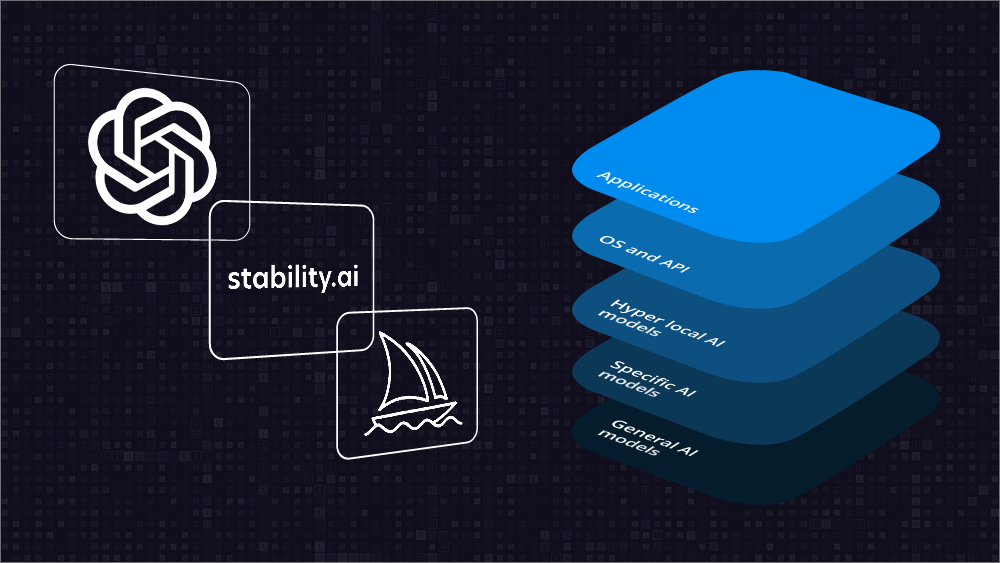
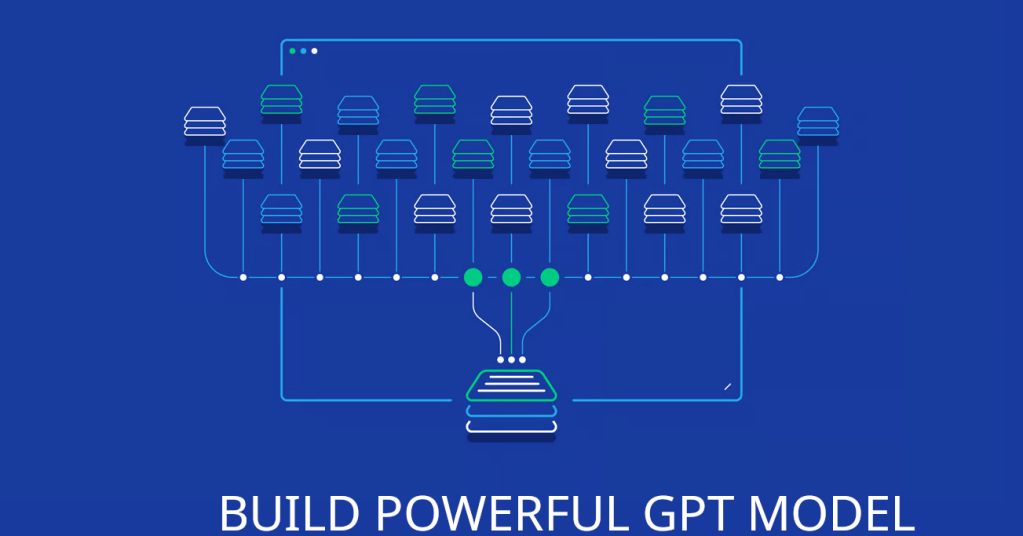




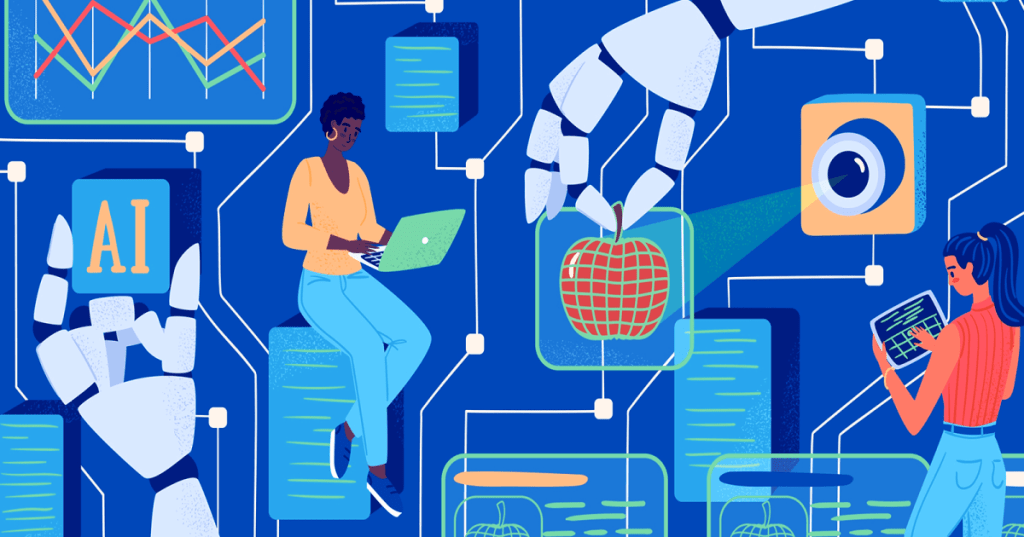

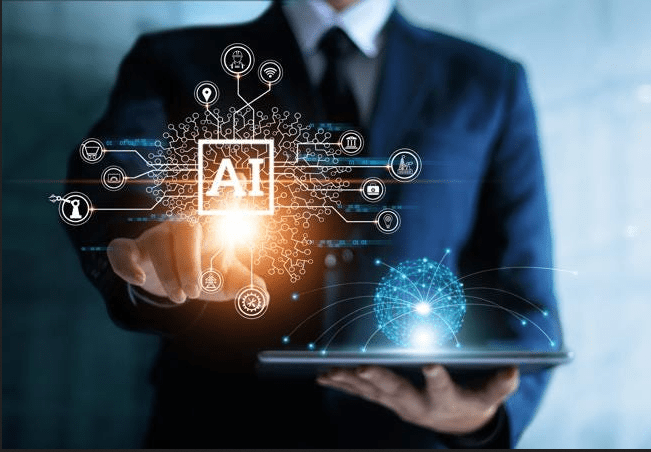
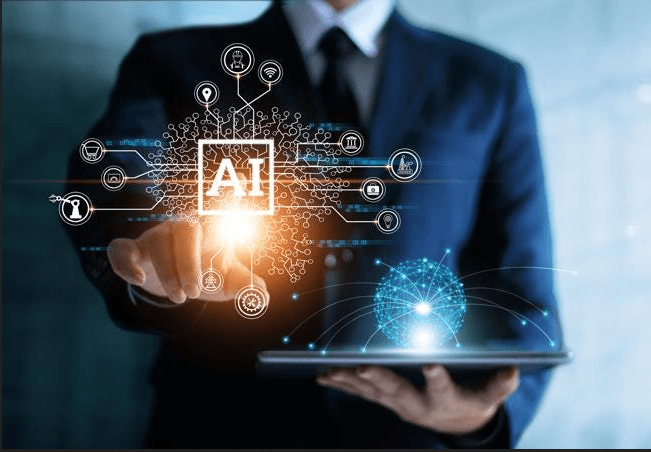









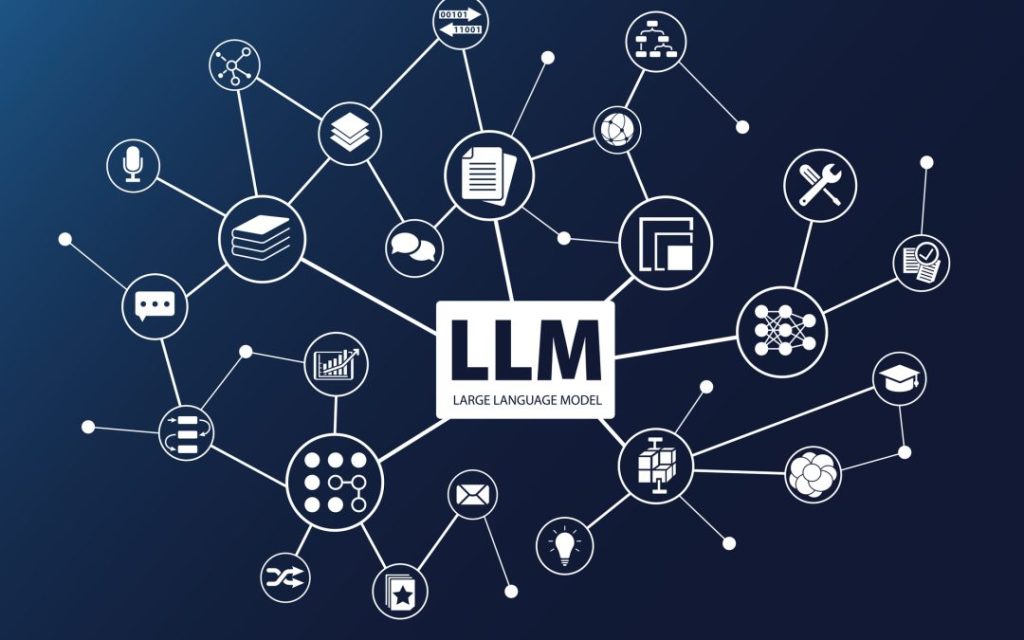
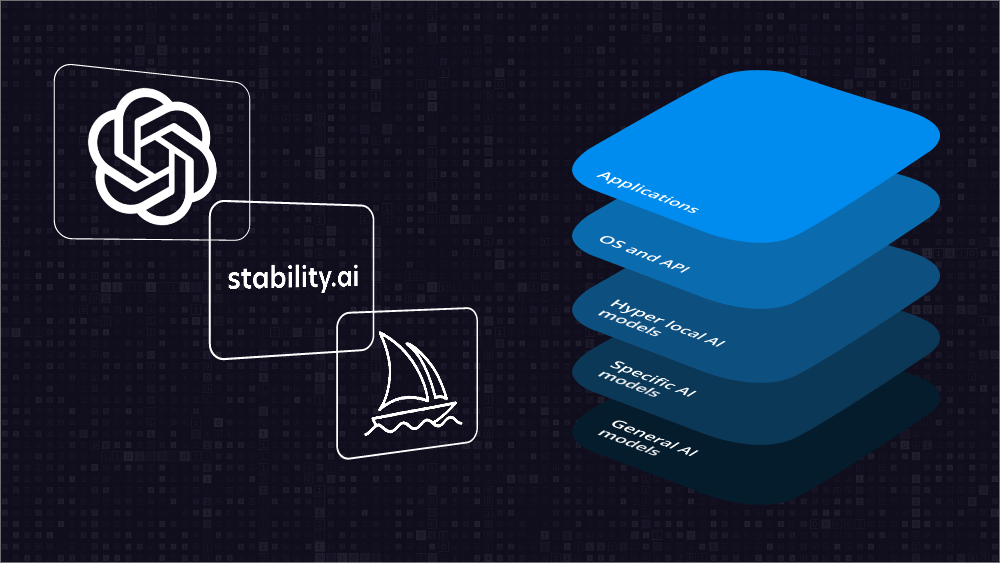
 Development Consulting