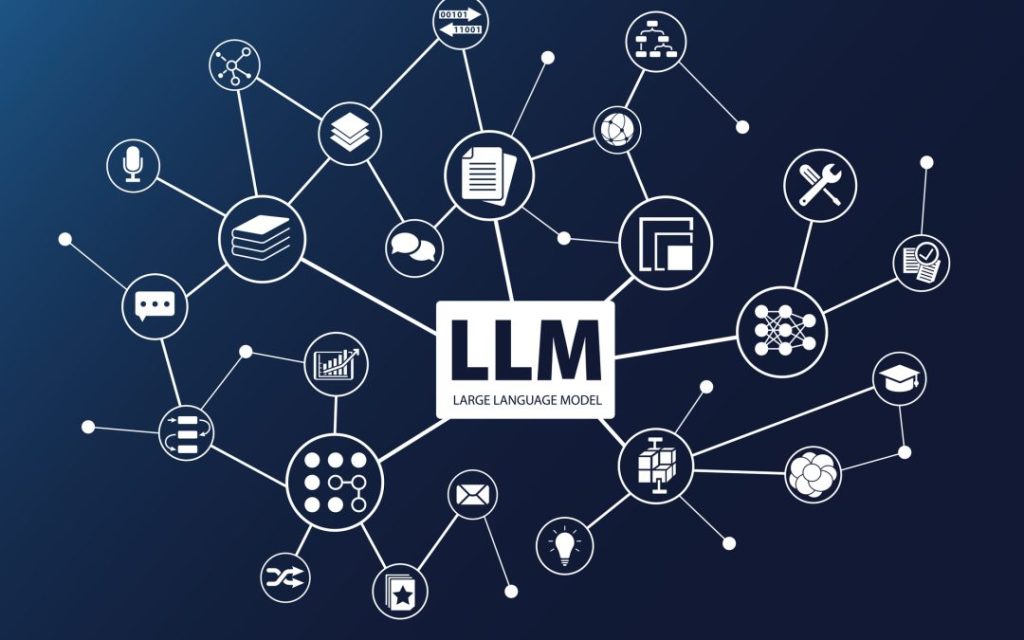
In the world of artificial intelligence, large language models have emerged as a game-changer, revolutionizing the way we interact with technology. These advanced models are capable of understanding and generating human-like text, opening up a myriad of opportunities across various industries. In this blog, we will explore the fascinating realm of large language model development and its profound impact on the way we communicate, create, and innovate.
What are Large Language Models?
Large language models are sophisticated artificial intelligence systems designed to process and understand human language. These models utilize deep learning algorithms and massive datasets to learn grammar, context, and semantic relationships between words. By leveraging this knowledge, they can generate coherent and contextually relevant text in response to prompts or queries.
The Development Process
Developing a large language model involves several intricate steps. The initial phase includes gathering and preprocessing massive amounts of text data from diverse sources, such as books, articles, and websites. Next, the data is used to train the model using state-of-the-art deep learning techniques, often employing neural networks like Transformers. This training process involves exposing the model to a vast array of language patterns and contexts, enabling it to learn and make predictions.
Benefits and Applications
Large language models offer a wide range of benefits and applications across industries. Let’s delve into some of the key areas where these models are making a significant impact:
- Natural Language Understanding (NLU): Large language models excel in comprehending and interpreting human language. They can analyze and extract meaning from text, enabling sophisticated language understanding applications. From chatbots and virtual assistants to sentiment analysis and language translation, NLU capabilities enhance user experience and automate various tasks.
- Content Creation and Curation: Large language models can generate high-quality content in a fraction of the time it would take for a human to produce. They can be employed to create engaging articles, blogs, social media posts, and product descriptions. These models can also assist in content curation, analyzing vast amounts of text to identify relevant and valuable information.
- Data Analysis and Insights: By processing and analyzing extensive datasets, large language models can derive valuable insights and trends. They enable businesses to make data-driven decisions, uncover patterns, and gain a deeper understanding of customer behavior. This capability is particularly valuable in fields such as market research, customer support, and financial analysis.
- Virtual Collaboration and Knowledge Sharing: Large language models have the potential to transform collaboration and knowledge sharing among individuals and teams. They can serve as virtual collaborators, helping brainstorm ideas, generating suggestions, and providing feedback. These models can also be utilized in education and e-learning platforms, supporting personalized learning experiences and answering students’ questions.
- Creative Writing and Storytelling: Large language models have opened up exciting possibilities in the realm of creative writing and storytelling. They can generate poetry, short stories, and even assist in screenplay writing. By augmenting human creativity, these models offer endless sources of inspiration and exploration for writers and artists.
The Future of Large Language Models
As large language models continue to evolve, their potential grows exponentially. The development of more advanced models will enable them to grasp even more complex language nuances and context. Additionally, the integration of multimodal capabilities, combining text with images and audio, will enhance their ability to understand and respond to human communication.
However, with great power comes great responsibility. It is crucial to address ethical considerations surrounding large language models, such as bias, privacy, and misinformation. Ongoing research and responsible development practices are necessary to ensure the ethical deployment of these models.
Conclusion
Large language model development has revolutionized the field of artificial intelligence and transformed the way we interact with technology. The applications and benefits of these models are vast and ever-expanding, ranging from natural language understanding to content creation, data analysis, virtual collaboration, and creative writing. As we move forward, large language models hold immense potential to shape the future of communication, innovation, and problem-solving. With responsible development and ethical considerations, we can harness the power of these models to unlock endless possibilities for a better and more connected world.
For More Info: https://www.leewayhertz.com/large-language-model-development-company/

 Development Consulting