AI agents in research

AI agents are autonomous software programs that perceive their environment, make decisions, and take actions to achieve specific goals. These agents represent a significant advancement in artificial intelligence, combining AI’s power with human-like interaction and decision-making capabilities. Ranging from simple rule-based systems to complex machine learning models, AI agents are designed to operate independently, without constant human control or supervision.

These intelligent agents handle various tasks, from customer service and process optimization to strategic decision-making and creative endeavors. By automating repetitive tasks and leveraging data-driven insights, AI agents enhance efficiency, improve customer experiences, and drive business growth and competitiveness in the digital age. As AI continues to evolve, the influence and applications of these intelligent agents are expected to expand, making them integral partners in shaping the future of technology and business.

Functions of an AI Agent

AI agents are reshaping how businesses interact with their digital and real-world environments. Here are the key functions that define these intelligent agents:

  • Perception: AI agents detect changes in their environment, such as new patterns in scientific data or emerging trends in academic publications.
  • Responsive Actions: Based on their perceptions, AI agents take actions to influence their environment, such as categorizing new research articles or suggesting relevant literature to researchers in real-time.
  • Reasoning and Interpretation: AI agents interpret complex datasets, extracting meaningful insights and making sense of their environment to become active decision-makers. They can analyze large volumes of research data to identify significant correlations and suggest hypotheses.
  • Problem-solving: AI agents excel in problem-solving, offering solutions for optimizing research methodologies, diagnosing anomalies in experimental data, or identifying the most promising research directions.
  • Inference and Learning: AI agents analyze past and present data to predict future outcomes, learning from each interaction to improve performance. For example, they can predict potential research outcomes based on historical data and current trends.
  • Action and Outcome Analysis: AI agents plan actions considering various scenarios and their impacts, which is valuable in strategic research planning and decision-making processes. They can simulate different experimental setups and predict their potential results, aiding in designing efficient and effective research studies.

By tailoring these functions to the specific needs of research, AI agents become invaluable tools for accelerating discovery, enhancing the accuracy of findings, and optimizing the overall research process.

Types of AI Agents

The landscape of AI agents is diverse, with each type offering unique functionalities and applications:

  • Simple Reflex Agents: Function based on condition-action rules, reacting directly to their immediate sensory input without forming an internal representation of the environment. They are efficient in environments where actions are determined solely by the current state of perception but struggle in complex or unstructured environments.
  • Model-Based Reflex Agents: Maintain an internal representation of the environment, allowing them to handle partially observable environments by making inferences about missing information based on their current perceptions and prior knowledge. They are more adaptable to changing or uncertain environments.
  • Goal-Based Agents: Consider the future consequences of their actions, making decisions based on how likely actions will achieve their goals. They are suitable for complex decision-making tasks.
  • Utility-Based Agents: Evaluate the desirability of different possible outcomes using a utility function, which assigns numerical values to different states reflecting their relative preference or value. This approach is beneficial in scenarios with multiple possible actions or outcomes.
  • Learning Agents: Improve their performance over time based on experience, adapting and evolving their strategies to optimize outcomes in dynamic environments.
  • Multi-Agent Systems (MAS): Involve multiple agents interacting and working towards common or individual goals, used for complex tasks requiring coordination, such as supply chain management.
  • Hierarchical Agents: Structured hierarchically, with higher-level agents managing and directing lower-level agents, contributing to the overall goal in large-scale systems where tasks need to be managed at different levels.

By understanding these various types and functions of AI agents, businesses and researchers can leverage their capabilities to drive innovation and efficiency in multiple fields.

What are AI Agents in Research?

AI agents in research are intelligent systems designed to assist researchers across various industries by automating tasks, analyzing data, and generating insights. Acting like automated research assistants, they perform tasks such as literature review, data collection and analysis, hypothesis testing, and even generating new research questions. In medicine, AI agents can analyze medical images to identify anomalies, predict disease progression, or suggest potential drug candidates. In finance, they can analyze market data, identify investment opportunities, or predict financial risks. Across industries, AI agents are transforming research by accelerating discovery, driving innovation, and unlocking new possibilities.

Key Capabilities of AI Agents in Research

AI agents possess several key capabilities that enable them to tackle complex tasks and contribute to scientific advancement:

  • Autonomy and Decision-Making: AI agents can operate autonomously, making decisions based on data, rules, and learning algorithms without constant human intervention. This capability is crucial for tasks requiring continuous monitoring or rapid decision-making.
  • Learning and Adaptation: AI agents can learn from experience and adapt their behavior accordingly. Through machine learning techniques such as reinforcement learning or deep learning, agents can improve their performance over time, refine their strategies, and handle new situations effectively.
  • Problem-Solving and Optimization: AI agents excel in problem-solving by applying computational algorithms to optimize processes, find solutions to complex problems, and discover patterns in large datasets. This capability is instrumental in fields like optimization, logistics, and data analysis.
  • Natural Language Processing (NLP): AI agents equipped with NLP capabilities can understand and generate human language. This is particularly valuable in research involving textual data analysis, information extraction, and automated summarization of scientific literature.
  • Simulation and Modeling: AI agents can simulate real-world scenarios and model complex systems, facilitating research in areas like climate modeling, epidemiology, and economics. These simulations help researchers understand system behaviors, predict outcomes, and test hypotheses.
  • Collaboration and Coordination: In multi-agent systems, AI agents can collaborate with each other or with human counterparts to achieve common goals. This capability supports research in areas such as swarm robotics, collaborative decision-making, and distributed problem-solving.

These capabilities enable AI agents to assist researchers in diverse fields by automating tasks, providing insights from data, and augmenting human capabilities to accelerate scientific discovery and innovation.
Read More: https://www.leewayhertz.com/ai-agents-in-research/

Logistics AI Consulting and Development

In today’s fast-paced world, the logistics industry faces numerous challenges, from optimizing supply chain processes to managing vast amounts of data. The integration of Artificial Intelligence (AI) in logistics has emerged as a game-changer, offering innovative solutions to these challenges. A Logistics AI Consulting and Development Company like LeewayHertz specializes in harnessing the power of AI to transform logistics operations, ensuring efficiency, accuracy, and cost-effectiveness.

The Role of AI in Logistics

AI in logistics encompasses a wide range of applications, from predictive analytics and route optimization to warehouse automation and customer service enhancement. Here are some key areas where AI is making a significant impact:

  1. Predictive Analytics and Forecasting: AI algorithms analyze historical data to predict future trends, demand, and potential disruptions in the supply chain. This enables companies to make proactive decisions, reducing downtime and improving overall efficiency.
  2. Route Optimization: AI-driven route optimization tools help logistics companies determine the most efficient paths for transportation. This reduces fuel consumption, lowers costs, and ensures timely deliveries.
  3. Warehouse Automation: AI-powered robots and automated systems streamline warehouse operations, from inventory management to order fulfillment. This minimizes human error and increases productivity.
  4. Customer Service: AI chatbots and virtual assistants provide 24/7 customer support, handling inquiries, tracking shipments, and resolving issues quickly and efficiently.
  5. Risk Management: AI systems monitor and analyze data from various sources to identify potential risks and disruptions. This allows companies to implement contingency plans and maintain smooth operations.

LeewayHertz: Pioneers in Logistics AI Solutions

LeewayHertz stands out as a leader in providing AI consulting and development services for the logistics industry. Their comprehensive approach ensures that logistics companies can leverage AI to its fullest potential. Here are some of the key services offered by LeewayHertz:

Custom AI Solutions

LeewayHertz develops tailored AI solutions to meet the specific needs of logistics companies. Their expertise spans various AI technologies, including machine learning, natural language processing, and computer vision. By customizing AI applications, LeewayHertz ensures that each solution aligns perfectly with the client’s operational requirements.

ZBrain: The Generative AI Platform

One of LeewayHertz’s standout offerings is ZBrain, a generative AI platform designed to enhance logistics operations. ZBrain uses advanced AI models to generate insights, automate processes, and optimize decision-making. This platform can be integrated seamlessly into existing systems, providing a scalable solution for logistics companies.

End-to-End Development

LeewayHertz provides end-to-end development services, from initial consultation and strategy development to implementation and ongoing support. Their team of experts works closely with clients to understand their challenges and goals, ensuring that the AI solutions delivered are effective and sustainable.

The Future of AI in Logistics

As AI technology continues to evolve, its applications in logistics will expand even further. Future developments may include autonomous vehicles for transportation, more sophisticated predictive models for supply chain management, and enhanced human-AI collaboration tools.

Autonomous Vehicles

Autonomous vehicles are set to revolutionize transportation within the logistics sector. AI-powered self-driving trucks and drones will enable faster, more efficient deliveries, especially in remote or hard-to-reach areas. This innovation promises to reduce labor costs and enhance delivery accuracy.

Advanced Predictive Models

The next generation of predictive models will incorporate even more data sources, including IoT devices and real-time market trends. These models will provide logistics companies with unparalleled foresight, allowing for more precise demand forecasting and inventory management.

Enhanced Human-AI Collaboration

As AI systems become more advanced, the collaboration between humans and AI will become more seamless. Augmented reality (AR) and virtual reality (VR) tools, powered by AI, will assist logistics workers in performing complex tasks with greater efficiency and accuracy.

Conclusion

The integration of AI in logistics is not just a trend but a necessity for companies looking to stay competitive in a rapidly changing market. With the help of a specialized AI consulting and development company like LeewayHertz, logistics firms can harness the power of AI to streamline operations, reduce costs, and improve customer satisfaction. The future of logistics lies in the intelligent application of AI, and companies that embrace this technology will lead the way in innovation and efficiency.

AI in fraud detection: Fortifying businesses against ever-evolving threats

The era of relying solely on traditional fraud detection methods, often based on rigid rule-based systems and predetermined thresholds, is a thing of the past. These methods are no longer adequate to keep up with the increasingly sophisticated tactics employed by modern fraudsters. The complexity of fraudulent schemes, fueled by the interconnected nature of global markets and the rapid exchange of digital information, calls for a more dynamic and adaptive approach.

Enter AI, a technology that leverages machine learning and deep learning algorithms to uncover hidden patterns, identify anomalies, and detect potential fraud cases with remarkable accuracy. Machine learning models have the ability to autonomously learn from historical data, enabling them to identify even the most subtle fraudulent activities that may elude traditional systems. This adaptive learning ensures that fraud detection systems can evolve alongside the constantly changing strategies used by fraudsters.

Importance of Fraud Detection in Today’s Digital Landscape

In today’s fast-paced digital world, where financial transactions and personal information are exchanged with ease, effective fraud detection is paramount. While online platforms, e-commerce, and digital financial services offer convenience, they also present opportunities for fraudsters to exploit vulnerabilities. Here’s why robust fraud detection mechanisms are essential:

Prevention of financial losses: Illicit activities such as pilfered funds, unauthorized transactions, and identity theft can lead to significant monetary losses for individuals, businesses, and financial organizations.

Safeguarding customer trust: Fraud incidents can erode customer trust, as clients may question the safety of their personal and financial data. Implementing a robust fraud detection system demonstrates a commitment to protecting customers and maintaining the integrity of their transactions.

Preservation of reputation: A business’s reputation is built over time through reliable products, quality services, and secure operations. A single instance of fraud can tarnish a brand’s reputation and undermine its credibility.

Ensuring regulatory compliance: Many industries are subject to strict regulations and compliance standards aimed at protecting consumers and preventing financial crimes. Failure to implement adequate fraud detection measures can result in legal penalties, fines, and even business closures for non-compliant organizations.

Enhancing operational efficiency: Detecting fraudulent activities is crucial for maintaining smooth business operations. Fraudulent incidents can disrupt normal functions and require significant resources to address security breaches. Effective fraud detection measures enable businesses to mitigate these disruptions and allocate resources more efficiently.

Benefits of Using AI for Fraud Detection

AI-powered fraud detection offers numerous benefits that enhance the effectiveness and efficiency of identifying and preventing fraudulent activities:

Accuracy and precision: AI systems can analyze large volumes of data with high accuracy, enabling them to detect subtle patterns and anomalies indicative of fraud. This reduces the risk of false positives and false negatives.

Real-time detection: AI enables real-time monitoring and analysis of transactions and user behavior, allowing for the immediate identification of suspicious activities.

Adaptability: AI systems can adapt and learn from new data and emerging fraud patterns, ensuring that they remain effective in detecting evolving tactics used by fraudsters.

Handling big data: In today’s fast-paced landscape, the sheer volume of data can overwhelm conventional fraud detection methods. AI demonstrates unparalleled proficiency in managing vast datasets, enabling swift identification of fraudulent patterns.

Behavioral analysis: AI can create comprehensive behavioral profiles for users and transactions, enabling swift detection of deviations indicative of potential fraud.

Use Cases of AI in Fraud Detection

AI has been successfully applied across various industries and sectors for fraud detection:

Financial services: AI is used for credit card fraud detection, bank account fraud prevention, and detecting fraudulent activities in online banking.

E-commerce and retail: AI analyzes customer behavior and transaction data to detect fraudulent activities during online purchases and identify patterns of return fraud.

Healthcare: AI is used to analyze claims data to identify patterns indicative of healthcare insurance fraud and medical identity theft.

Telecommunications: AI analyzes customer data to detect subscription fraud and roaming fraud.

Cybersecurity: AI is used to analyze network traffic and user behavior to detect cyber threats such as unauthorized access attempts and phishing attacks.

Conclusion

In today’s digital landscape, fraud detection is crucial for maintaining trust and integrity. AI has emerged as a powerful tool for bolstering defenses against evolving threats, enabling industries to stay ahead of fraudsters and adapt to their changing tactics. The integration of AI into business operations is essential for ensuring resilience and integrity in the face of fraud. As AI continues to evolve, it will lead to even more sophisticated methods of safeguarding businesses and consumers alike.

Top Generative AI Development Companies 2024

In the ever-evolving landscape of artificial intelligence, generative AI has emerged as a game-changer. Its ability to create content, mimic human thinking, and innovate across industries is undeniably groundbreaking. As we navigate through 2024, it’s essential to recognize the top players in the field. These companies are pushing boundaries, pioneering novel approaches, and shaping the future of AI. In this article, we will introduce you to the top 10 Generative AI Development Companies of 2024, exploring their contributions, innovations, and the impact they are making in the world of AI.

OpenAI

OpenAI, frequently hailed as a trailblazer in the AI landscape, claims the top position in our list. Established with the goal of ensuring the widespread advantages of artificial general intelligence (AGI) for humanity, OpenAI has consistently introduced pioneering innovations and achieved remarkable progress. Their GPT-3.5 model, which underpins the very essence of this article, showcases their dedication to expanding the horizons of AI. OpenAI’s contributions extend beyond mere technology; they foster open collaboration and ethical AI development.

LeewayHertz

LeewayHertz secures the second spot with its innovative approach to generative AI development. They are known for their customized AI solutions tailored to specific industry needs. Whether it’s healthcare, finance, or logistics, LeewayHertz harnesses the power of generative AI to create unique solutions that drive business success.

Markovate

Markovate makes a notable appearance at number three with its AI-powered marketing solutions. They specialize in creative content generation, using generative AI to craft engaging marketing content that resonates with audiences.

Stability AI

Stability AI secures the fourth position on our list due to its relentless pursuit of AI excellence. They are at the forefront of AI research and development, constantly pushing the boundaries of what generative AI can achieve. Stability AI’s advanced algorithms are paving the way for AI applications in diverse fields, from finance to healthcare.

Anthropic

Anthropic takes the fifth spot, focusing on ethical AI development. Their unwavering dedication to constructing AI systems that uphold human values and morals sets them apart. In a world where AI’s impact on society is a growing concern, Anthropic’s approach is commendable.

Cohere

Cohere earns the sixth position with its expertise in conversational AI. Their prowess in comprehending natural language has fundamentally transformed the manner in which businesses engage with their customers. Cohere’s solutions are enhancing customer service, making it more efficient and user-friendly.

Accubits

Accubits secures the seventh spot on our list as an AI consulting powerhouse. They specialize in developing industry-specific AI solutions, helping businesses leverage generative AI’s potential to address unique challenges. Their consultative approach is driving AI adoption across sectors.

InData Labs

InData Labs ranks eighth, known for its data-driven AI solutions. Their expertise in predictive analytics and machine learning is empowering businesses to make data-backed decisions. InData Labs is playing a pivotal role in transforming data into actionable insights.

ExoMetrics Inc

ExoMetrics Inc. claims the ninth spot with its AI-driven metrics solutions. They specialize in enhancing performance across various industries by leveraging generative AI. ExoMetrics Inc.’s innovative approach is helping businesses optimize their operations.

Sentient

Sentient rounds up our list at the tenth position, focusing on AI applications in e-commerce. They are pioneers in creating personalized shopping experiences through generative AI. Sentient’s technology is reshaping the way consumers engage with online retailers.


Conclusion

The world of generative AI is expanding at an unprecedented pace, and these top 10 companies are at the forefront of this evolution. OpenAI, LeewayHertz, Markovate, Stability AI, Anthropic, Cohere, Accubits, InData Labs, ExoMetrics Inc., and Sentient are shaping the future of AI with their innovative solutions. Whether ethical AI, tailored industry solutions, or data-informed insights, these enterprises are propelling the impactful potential of AI throughout various sectors.

As we move forward in 2024, it’s clear that generative AI development is not just a technology trend but a fundamental force driving progress and innovation. Stay tuned for more exciting developments in the world of AI!


FAQs

Q1. What is generative AI?

Generative AI refers to a subset of artificial intelligence that focuses on creating content, such as text, images, or even music, that is generated by a machine rather than a human. It utilizes algorithms and models to mimic human creativity and thinking, producing output that can be highly diverse and innovative.

Q2. How does generative AI benefit businesses?

Generative AI can benefit businesses in various ways. It can automate content generation, enhance customer service through chatbots, optimize operations through data analysis, and even personalize user experiences. Ultimately, it can improve efficiency, reduce costs, and drive innovation.

Q3. Are there ethical concerns with generative AI?

Yes, there are ethical concerns with generative AI, particularly regarding the potential for misuse. It can be used to generate fake content, manipulate information, or infringe on privacy. Companies developing generative AI solutions, like Anthropic, prioritize ethical considerations to mitigate these risks.

Q4. What is the future of generative AI?

The future of generative AI is promising, with continued advancements expected in natural language understanding, creative content generation, and personalized experiences. As the technology matures, it will play an increasingly vital role across industries, driving innovation and efficiency.

Enterprise AI Development Company

Streamline your operations and accelerate your digital evolution with our enterprise AI development services. Leveraging cutting-edge AI techniques such as machine learning, predictive analytics, deep learning, and NLP, we craft robust AI-powered solutions to address your business challenges. Our scalable solutions empower enterprises to tackle a myriad of tasks ranging from predictive maintenance and fraud detection to inventory optimization and enhancing customer services.

Enterprise AI Development Services

Strategic AI Consulting

Navigate the intricacies of AI integration with our expert consultation. Beyond merely developing AI solutions, we strategize their alignment with your enterprise objectives, ensuring maximum impact and sustainable growth.

Data Analysis

Unlock the true potential of your data with our analysis services. Our expertise allows us to dive deep into your datasets, extracting actionable insights that fuel decision-making and drive growth, transforming raw data into strategic assets for your enterprise.

Enterprise-grade AI Solutions Development

Our seasoned team collaborates closely with your enterprise to develop tailored AI solutions, offering end-to-end development from concept to deployment. We prioritize scalability, performance, and security, ensuring your AI systems meet present requirements and adapt seamlessly to future challenges.

Seamless AI Integration

Enhance your organization’s capabilities with our customized AI integration services, facilitating the seamless incorporation of advanced AI features into your existing systems. Our adept team ensures a smooth deployment process, minimizing disruptions and maximizing efficiency.

Maintenance and Support

Tailored to your unique business needs, our AI maintenance and support services ensure optimal operation of your custom enterprise AI solutions, enhancing operational efficiency and delivering consistent results.

Enterprise AI Solutions We Develop

Conversational AI Solutions

Enhance customer interactions with our advanced conversational AI solutions, which understand user behavior, preferences, and inquiries, fostering brand loyalty and providing valuable insights into customer trends.

AI Image & Speech Recognition Solutions

From voice-activated virtual assistants to precise speech-to-text transcription tools, our speech recognition solutions, coupled with image recognition capabilities, offer comprehensive visual analysis and enhanced insights.

Predictive Analysis Solutions

Empower your business with advanced AI solutions leveraging data analytics and predictive modeling to anticipate maintenance needs, minimize downtimes, and optimize resource allocation.

Fraud Detection & Prevention Solutions

Safeguard your business with meticulously designed fraud detection and prevention solutions that swiftly identify irregularities and suspicious activities, ensuring protection against financial losses.

Customer Service Automation Solutions

Optimize response times and boost customer satisfaction with our AI-powered automation solutions, streamlining tasks such as email responses, appointment scheduling, and order tracking.

Recommendation Systems

Enhance user engagement and boost conversions with our recommendation systems that learn from user behaviors and preferences, delivering exceptional user experiences across various platforms.

Why Choose Us?

Extensive Experience

Benefit from our team’s extensive experience in diverse AI technologies, backed by a proven track record of successful collaborations across industries.

Full-Cycle Development

Leverage the expertise of our vetted AI developers and data scientists for end-to-end development tailored to drive your organization’s success.

Tech Expertise

Rely on our profound knowledge of the latest AI technologies, including neural networks, NLP, and computer vision, to build solutions that match your unique requirements.

Efficient Project Management

Experience precise project execution through our agile approach, ensuring timely and budget-conscious delivery for enhanced success and efficiency.

Quality Assurance

Our unwavering commitment to quality includes meticulous testing and validation to ensure the highest standards of performance and reliability in every project.

Secure and Ethical Solutions

Rest assured, your projects are safeguarded with the utmost standards of security, privacy, and ethical conduct, guaranteeing the protection of data and trustworthy project outcomes.

Conclusion

Our Enterprise AI development services offer a comprehensive solution to eliminate workflow pain points and propel your organization towards digital transformation. With a focus on strategic consulting, data analysis, seamless integration, and robust solution development, we are committed to delivering tailor-made AI solutions that drive sustainable growth and enhance operational efficiency.

At LeewayHertz, we pride ourselves on our extensive experience, technical expertise, efficient project management, and unwavering commitment to quality and security. By choosing us as your AI development partner, you can trust in our ability to navigate the complexities of AI integration, deliver innovative solutions, and safeguard your projects with the highest standards of reliability and ethical conduct.

Embark on your AI journey with confidence, knowing that our dedicated team is here to support you every step of the way. Contact us today to learn more about how we can accelerate your digital transformation with enterprise-grade AI solutions.

AI Development Company UAE

Whether you want to streamline your organization’s internal workflows or enhance the customer-facing systems, we have you covered. Our custom AI-powered solutions and services are designed to meet the specific needs of diverse industries in the UAE, helping businesses optimize their operations for success.

Our AI Development Services

Custom AI Solution Development

Need a recommendation engine, fraud detection system, or predictive analytics tool? We’ve got you covered. Utilizing NLP, computer vision, and other ML techniques, we craft bespoke solutions tailored to your unique needs. By closely collaborating with you, we ensure that our solutions address your pain points effectively.

AI Consulting

Leverage our expertise to devise the optimal AI strategy for your business. Our seasoned AI consultants work with you to create a roadmap for seamless implementation, empowering your organization to harness AI’s transformative potential. With our guidance, you can confidently navigate the AI landscape and gain a competitive edge.

Fine-tuning Models

Unlock the full potential of your AI models with our fine-tuning expertise. Through in-depth collaboration, we analyze your requirements, assess existing models, and implement advanced techniques like hyperparameter tuning and feature engineering to enhance accuracy and performance.

AI Model Integration

Seamlessly integrate cutting-edge AI models into your workflows with our expert services. By automating repetitive tasks and enabling data-driven decision-making, we help drive business growth and efficiency. With our support, you can harness the latest AI advancements without disruption.

Our AI Development Expertise

Machine Learning

From TensorFlow to Scikit-learn, we’re well-versed in various ML frameworks. Our team develops custom machine learning models tailored to your specific business needs, ensuring optimal performance and results.

Deep Learning

Utilizing PyTorch and optimization algorithms, we create deep neural network-based solutions capable of tackling complex challenges. Whether it’s image recognition or natural language processing, our deep learning expertise delivers impactful results.

Predictive Analytics

Harness the power of Python, R, and SQL to analyze large datasets and develop predictive models. By forecasting trends and facilitating data-driven decisions, our predictive analytics solutions drive business success and innovation.

Computer Vision

Gain valuable insights from visual data with our custom computer vision models. Leveraging frameworks like OpenCV, TensorFlow, and PyTorch, we enable businesses to analyze images and videos effectively, unlocking new possibilities for growth and optimization.

Conclusion

Our AI Development Services offer tailored solutions designed to propel your business forward in the dynamic landscape of the UAE. From custom AI solution development to expert consulting, fine-tuning models, and seamless integration, we empower organizations to harness the transformative power of artificial intelligence. With our deep expertise in machine learning, deep learning, predictive analytics, and computer vision, we deliver tangible results that optimize operations, drive growth, and unlock new opportunities for innovation. Partner with us to embark on a journey of digital transformation and secure a competitive edge in your industry. Contact us today to discover how our AI Development Services can elevate your business to new heights.

The role of AI in customer support

In the realm of customer support, the integration of artificial intelligence (AI) marks a significant leap forward. By harnessing technologies like chatbots, virtual assistants, and machine learning algorithms, businesses can automate responses, provide personalized assistance, and elevate the overall customer experience. This transformative integration fundamentally alters the dynamics of customer-business interactions, leveraging advanced tools such as natural language processing and automation to enhance the efficiency and effectiveness of support operations.

From the deployment of real-time chatbots to handle routine inquiries to the utilization of predictive analytics for optimizing support strategies, AI empowers businesses to deliver tailored, timely assistance round the clock. Beyond mere process optimization, AI fosters seamless customer experiences, thereby fostering stronger relationships and loyalty.

AI in customer support doesn’t just offer operational enhancements; it also provides businesses with invaluable insights into customer preferences, behaviors, and pain points. This data-driven approach enables businesses to offer tailored services and proactively resolve issues. By automating repetitive tasks, AI frees up human agents to focus on complex interactions, thereby improving overall service quality.

As technology continues to advance, the role of AI in customer support is poised for further expansion, offering increasingly sophisticated solutions to meet and exceed customer expectations.

Benefits of AI in Customer Support

For Customers

  1. Instant Support: AI ensures immediate responses to customer queries, efficiently routing complex issues to appropriate support agents for swift resolution.
  2. 24/7 Support: AI-powered tools guarantee consistent customer assistance, even outside of live agent availability, enhancing overall service accessibility.
  3. Reduced Errors: AI systems excel in precision, offering accurate solutions to evolving customer needs, thereby enhancing overall satisfaction.
  4. Efficient Issue Resolution: AI chatbots guide customers to solutions faster than live agents, fostering positive experiences.
  5. Enhanced User Experience: AI aids support teams in refining processes and proactively addressing common issues, leading to smoother interactions.
  6. Predictable Experience: AI provides clear paths for issue resolution, allowing customers to choose preferred methods with accurate response time estimates.
  7. Cost Savings: AI implementation reduces overhead costs, enabling businesses to maintain competitive pricing and enhance customer satisfaction.

For Backend Users

  1. Lead Identification: AI streamlines the identification of potential leads and can trigger targeted marketing campaigns, enhancing conversion rates.
  2. Data Collection and Analysis: AI facilitates the collection of vast data sets and transforms them into actionable insights to refine products and streamline customer service operations.
  3. Enhanced Brand Reputation: Efficient support processes contribute to elevated customer satisfaction, cultivating brand advocates who endorse products or services positively.
  4. Reduced Workload: AI resolves routine inquiries, decreasing the workload for customer service agents and empowering them to concentrate on high-value tasks.
  5. Cost Efficiency: AI manages growing customer needs effectively, controlling costs while maintaining service quality.
  6. Insightful Forecasting: Machine learning capabilities enable the analysis of data sets to forecast needs and optimize inventory management, driving strategic decision-making.

Operational Benefits of AI in Customer Support

  1. Brand Voice: Real-time messaging bot services provide an opportunity for businesses to connect with customers, fostering new revenue streams.
  2. AI-Powered Action Plans: AI offers quick responses and action plans, learning from customer context, history, and preferences to enhance the customer experience.
  3. One-time Investment: Automating responses via AI platforms significantly reduces costs associated with traditional call center practices.
  4. Multi-channel Support: An intelligent support system directs customers toward parallel support channels, enhancing the overall customer experience.
  5. Machine Learning for Enhanced Support: Machine learning enables customer support to anticipate and prepare for challenging problems, ensuring more efficient problem resolution.

Best Practices for AI in Customer Support

  1. Research: Conduct thorough research to guide your AI implementation strategy.
  2. Harness Customer Feedback: Continuously gather customer feedback to refine and improve support services.
  3. Personalize the Customer Journey: Utilize real-time customer data to offer tailored interactions across channels.
  4. Periodic Performance Evaluation: Schedule routine performance evaluations to identify areas for improvement and necessary adjustments.

Conclusion

The integration of AI into customer support represents a paradigm shift in customer-business interactions. The benefits are manifold, ranging from operational efficiency to enhanced customer satisfaction. As AI technologies continue to evolve, the possibilities for improving customer support are limitless, promising a future where customer satisfaction is not just a goal but a guaranteed outcome.

Automated invoice processing: Leveraging AI for Accounts Payable (AP) Automation

For numerous businesses, the task of processing invoices remains a laborious and time-consuming endeavor. Inbox congestion with heaps of paperwork, coupled with manual data entry, not only hampers productivity but also elevates the risk of errors. Studies indicate that a significant 3.6% of manually processed invoices contain errors, exposing organizations to potential financial discrepancies and compliance hurdles. However, envision a solution where this process is automated, liberating valuable resources and ensuring precision. Welcome to the realm of AI invoice processing, revolutionizing the operations of accounts payable (AP) departments.
Picture a system seamlessly capturing invoice data from both paper and digital formats with unparalleled accuracy. Recent statistics shed light on the vast difference between conventional methods and AI-driven solutions, showcasing an astounding 99% accuracy in capturing invoice header data through automation. AI algorithms, honed on extensive datasets, adeptly decode even the most intricate layouts and formats, extracting crucial information such as vendor names, amounts due, and purchase order numbers. We no longer grapple with manual inputs and human fallibility; AI undertakes the heavy lifting, safeguarding data integrity and streamlining the entire workflow.
Beyond mere data extraction, AI heralds even more profound benefits. It simplifies invoice processes by autonomously routing them for approval based on predefined rules, while also flagging discrepancies against purchase orders before they impact financial standings. Moreover, it automates mundane tasks, eradicates manual data entry errors, and can even schedule payments according to preset criteria. Invoices seamlessly enter the system, are categorized, and are validated, with data smoothly integrated into the accounting infrastructure. This newfound efficiency translates into expedited payments for vendors, enhanced cash flow, real-time financial insights, and significant time savings for your team.
Yet, AI invoice processing isn’t solely about speed; it also empowers with deeper insights into spending habits. By analyzing extracted data, organizations can discern trends, optimize procurement processes, and make data-driven decisions to bolster financial well-being.
Are you ready to bid farewell to cumbersome paper trails and embrace a more efficient, streamlined approach to invoice management? Delve into this article to explore the transformative potential of AI invoice processing and uncover how it can revolutionize your accounts payable operations, affording you more time to concentrate on core business growth.
This article delves into how AI revolutionizes invoice processing by juxtaposing traditional methods with AI-driven solutions. It delineates AI’s pivotal role in invoice processing workflows, offers implementation insights, and spotlights the myriad benefits of AI integration.

Significance of efficient invoice processing for businesses

Invoice processing is a fundamental aspect of business operations that often flies under the radar until issues arise. It encompasses the receipt, validation, and recording of invoices from vendors or suppliers for goods or services rendered. Despite its seemingly mundane nature, efficient invoice processing is indispensable for a business’s financial well-being and overall prosperity. Here’s why:

  • Cash flow management: Timely invoice processing ensures prompt and accurate payments, thus maintaining a healthy cash flow. Delays or errors in processing can lead to cash flow bottlenecks, late fees, and strained supplier relationships.
  • Expense management: Proper invoice processing enables businesses to track and manage expenses effectively, identify spending patterns, control costs, and make informed decisions regarding budget allocation and resource utilization.
  • Compliance and accountability: Invoices are legal documents outlining transaction terms and providing proof of purchase. Accurate processing ensures compliance with regulations and internal policies, minimizing the risk of financial errors, disputes, and legal issues.
  • Vendor relationships: Efficient invoice processing fosters positive relationships with vendors and suppliers through prompt payment and clear communication. This demonstrates reliability and trustworthiness and potentially leads to favorable terms, discounts, and collaboration opportunities.
  • Financial reporting: Well-processed invoices provide crucial data for financial reporting and analysis, enabling accurate financial statements, KPI tracking, and informed decision-making based on reliable information.
  • Fraud prevention: Robust invoice processing procedures help prevent fraud and unauthorized payments by implementing verification protocols like matching invoices with purchase orders and receipts, thus mitigating the risk of financial losses.
  • Audit preparedness: Efficient invoice processing ensures businesses are ready for audits and financial inspections with organized documentation and accurate record-keeping, facilitating compliance and simplifying the audit process.
  • Competitive advantage: Streamlined invoice processing contributes to a competitive edge in the marketplace by prioritizing efficiency, accuracy, and transparency in financial operations, positioning businesses for success in today’s fast-paced business environment.
  • Enhanced decision-making: Insights derived from thorough invoice processing aid informed decision-making by providing a clear understanding of expenditures and financial obligations. This enablesstrategic choices aligned with organizational goals and market conditions, thereby enhancing overall performance.

While often overlooked, invoice processing plays a critical role in business management, ensuring financial health and operational efficiency. By investing in efficient systems, adhering to best practices, and prioritizing accuracy and compliance, businesses lay the groundwork for streamlined operations, sustainable growth, and long-term success.

The Role of AI in Invoice Processing

In the dynamic landscape of modern business, manual invoice handling presents notable hurdles for organizations aiming to optimize efficiency and accuracy in their financial operations. Integrating AI into invoice processing has become a pivotal solution, revolutionizing traditional accounts payable procedures and reshaping the business environment. Below is an in-depth examination of AI’s crucial role in refining and elevating invoice processing:

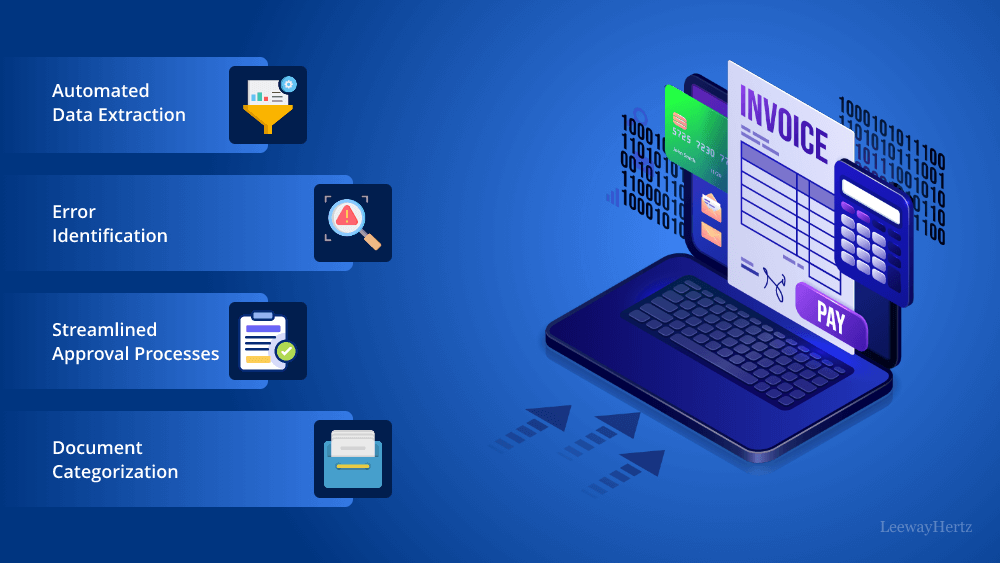
  • Automated Data Extraction: AI methodologies like machine learning, Natural Language Processing (NLP), and pattern recognition are instrumental in swiftly and precisely extracting pertinent information from invoices. These techniques empower systems to analyze and interpret diverse invoice formats, languages, and writing styles, thereby enhancing extraction efficiency. By scrutinizing the text, AI systems can pinpoint vital data points such as invoice numbers, dates, vendor details, and line items, diminishing the necessity for manual data entry and minimizing errors.
  • Non-PO Invoice Processing: Conventional methods such as OCR and rules-based programming may encounter difficulties with non-standard invoices, such as handwritten ones. AI, particularly machine learning models, excels in managing diverse invoice formats and variations, accurately capturing nuanced information. It becomes proficient at identifying and interpreting variations as it processes more invoices.
  • Enhanced Accuracy and Efficiency: AI algorithms continually learn and refine from labeled data, leading to heightened accuracy over time. By efficiently handling large volumes of invoices, AI streamlines the invoice processing workflow, reducing processing times and bolstering overall efficiency.
  • Streamlined Approval Processes: AI intelligently identifies approvers based on historical data and predefined rules, ensuring that invoices are promptly routed to the appropriate personnel for approval. This streamlines the approval process, minimizes delays, and enhances accountability within the organization.
  • Integration with ERP Systems: AI-driven invoice processing solutions seamlessly integrate with existing Enterprise Resource Planning (ERP) or accounting software, facilitating smooth data transfer and synchronization. This integration enables real-time visibility into financial data and augments the overall efficiency of accounting processes.

Benefits of AI-driven invoice processing

AI-driven automation revolutionizes financial operations in organizations, delivering a multitude of advantages. Here’s a glimpse:

  • Expedited invoice processing: Utilizing AI significantly reduces processing durations compared to manual methods. For example, while manual data extraction might consume over three and a half minutes per invoice, AI-driven extraction completes the task in less than 27 seconds. This swift processing accelerates workflows, ensuring timely vendor payments and bolstering operational efficiency.
  • Accurate data extraction: AI algorithms excel in extracting and validating data from invoices with remarkable precision, greatly minimizing errors common in manual data entry. Cognitive data capture, achieving up to 98% accuracy, empowers users to process invoices with heightened reliability, thus reducing discrepancies and maintaining the integrity of financial records.
  • Increased workforce efficiency: By automating repetitive tasks like data entry and validation, AI frees finance professionals from mundane duties, enabling them to concentrate on strategic endeavors. This surge in productivity, allowing simultaneous processing of six times more documents, optimizes resource allocation and boosts organizational efficiency.
  • Cost-effectiveness: Efficiency gains from AI automation lead to substantial cost reductions by cutting down labor expenses associated with manual invoice processing. Furthermore, fewer errors result in decreased financial discrepancies, fortifying the organization’s financial well-being and enhancing the bottom line. Data from Aberdeen Group indicates that AI adoption can reduce costs within accounts payable departments by a significant 30%.
  • Streamlined cash flow management: Swift invoice processing accelerates approval and payment cycles, improving cash flow management. Organizations leveraging AI-powered automation capture nearly 75% of early payment discounts, nurturing stronger ties with suppliers and vendors while maximizing financial benefits.
  • Fraud prevention and error detection: AI-driven systems can pinpoint anomalies and patterns suggestive of fraudulent invoices or errors, shielding organizations from financial losses and reputational harm.
  • Regulatory compliance assurance: AI-driven solutions ensure strict adherence to regulatory requirements and internal policies by systematically validating invoices against predefined rules and standards. This proactive approach mitigates the risk of non-compliance penalties and cultivates a culture of regulatory integrity.

Endnote

Integrating AI into invoice processing signifies more than just a technological leap; it marks a fundamental shift in approach. AI empowers businesses to refine their financial processes and enhance efficiency by automating mundane tasks, reducing errors, and extracting valuable insights. From expedited processing times and streamlined workflows to better cash flow management and heightened data precision, the undeniable advantages contribute significantly to the genuine financial transformation of your enterprise.
As AI technology advances, its capabilities in invoice processing will expand further. Anticipate even more sophisticated solutions adept at handling intricate invoices, adapting to various formats, seamlessly integrating with current systems, and leveraging historical data to identify anomalies and forecast future trends. This progression will pave the way for fully autonomous invoice processing, liberating human resources for more strategic endeavors and higher-level tasks.
While AI cannot entirely supplant human oversight, it is a potent tool to augment human capabilities. Embracing AI in invoice processing unlocks a future characterized by optimized financial operations, enhanced profitability, and a competitive edge in today’s dynamic market landscape. The future of invoice processing is intelligent, automated, and AI-driven - are you prepared to embrace it?

Unlocking Efficiency: Building Predictive Machine Learning Models for Manufacturing Operations

In the ever-evolving landscape of manufacturing, efficiency is paramount. From optimizing production processes to minimizing downtime, every decision can have a significant impact on the bottom line. In recent years, machine learning has emerged as a powerful tool for enhancing efficiency and predicting outcomes in manufacturing operations. By harnessing the power of data, businesses can build predictive machine learning models that offer insights into everything from equipment maintenance schedules to supply chain management.

Understanding the Need for Predictive Machine Learning in Manufacturing

Traditional manufacturing processes often rely on reactive measures to address issues as they arise. However, this approach can lead to costly downtime, inefficiencies, and lost revenue. Predictive machine learning models offer a proactive solution by analyzing historical data, identifying patterns, and forecasting potential outcomes. By leveraging these insights, manufacturers can anticipate maintenance needs, optimize production schedules, and mitigate risks before they escalate.

Key Components of a Predictive Machine Learning Model for Manufacturing

Building a predictive machine learning model for manufacturing operations requires careful planning and execution. Here are some key components to consider:

  1. Data Collection and Preparation: The foundation of any machine learning model is data. In manufacturing, this may include information on equipment performance, production rates, quality control metrics, and more. Data must be collected from various sources, cleansed, and formatted for analysis.
  2. Feature Selection: Not all data variables are equally relevant for predictive modeling. Through feature selection techniques, manufacturers can identify the most influential factors that impact production outcomes. This step helps streamline the model and improve its accuracy.
  3. Algorithm Selection: Choosing the right algorithm is crucial for the success of a predictive machine learning model. Depending on the nature of the problem and the type of data available, manufacturers may opt for algorithms such as regression, decision trees, random forests, or neural networks.
  4. Model Training and Evaluation: Once the algorithm is selected, the model must be trained using historical data. During the training phase, the model learns patterns and relationships within the data. After training, the model’s performance is evaluated using validation datasets to ensure its accuracy and reliability.
  5. Deployment and Monitoring: After thorough testing, the predictive model is deployed into production. However, the journey doesn’t end there. Continuous monitoring is essential to track the model’s performance over time, identify potential drift, and make adjustments as needed.

Benefits of Predictive Machine Learning in Manufacturing

Implementing predictive machine learning models can yield numerous benefits for manufacturing operations:

  1. Improved Efficiency: By predicting equipment failures and optimizing production schedules, manufacturers can minimize downtime and maximize throughput.
  2. Cost Savings: Proactively addressing maintenance needs and optimizing resource utilization can result in significant cost savings over time.
  3. Enhanced Quality Control: Predictive models can identify potential quality issues before they occur, allowing manufacturers to take corrective action and maintain product quality standards.
  4. Supply Chain Optimization: Predictive analytics can help optimize inventory levels, anticipate demand fluctuations, and streamline supply chain operations.
  5. Data-Driven Decision Making: By leveraging insights from predictive models, manufacturers can make more informed decisions based on data rather than intuition or guesswork.

Challenges and Considerations

While predictive machine learning holds immense potential for manufacturing, it’s not without its challenges. Some common considerations include:

  1. Data Quality: The accuracy and reliability of predictive models depend heavily on the quality of the underlying data. Manufacturers must ensure data integrity and address issues such as missing values, outliers, and inconsistencies.
  2. Integration with Existing Systems: Implementing predictive models may require integration with existing manufacturing systems and processes. Seamless integration is essential to ensure smooth operation and adoption by frontline workers.
  3. Change Management: Adopting predictive analytics represents a significant shift in mindset and workflow for many manufacturing organizations. Effective change management strategies are necessary to overcome resistance and promote adoption at all levels of the organization.
  4. Ethical and Regulatory Considerations: As with any data-driven technology, manufacturers must consider ethical implications such as data privacy, bias, and fairness. Compliance with regulatory requirements is also critical, particularly in highly regulated industries.

Conclusion

Predictive machine learning has the potential to revolutionize manufacturing operations by enabling proactive decision-making, optimizing processes, and driving efficiency gains. By harnessing the power of data and advanced analytics, manufacturers can stay ahead of the curve in an increasingly competitive landscape. However, success requires careful planning, investment in technology and talent, and a commitment to continuous improvement. With the right strategy and approach, predictive machine learning can unlock new opportunities for innovation and growth in the manufacturing sector.

Blockchain Developers

In the realm of technological advancement, few innovations have garnered as much attention and promise as blockchain technology. From its inception with Bitcoin to its widespread adoption across various industries, blockchain has revolutionized how we perceive data integrity, security, and transparency. At the heart of this transformative technology lie the skilled and visionary individuals known as blockchain developers. In this article, we delve into the world of blockchain developers, exploring their significance, the evolving landscape of blockchain development, and the pivotal role they play in shaping our digital future.

Understanding Blockchain Developers

Blockchain developers are the architects behind the decentralized systems that underpin blockchain technology. They possess a unique blend of technical expertise, problem-solving prowess, and a deep understanding of cryptographic principles. Their primary role involves designing, implementing, and maintaining blockchain solutions that address specific business challenges or industry needs.

As the demand for blockchain solutions continues to soar, so does the need for talented blockchain developers. Organizations across various sectors are actively seeking to harness the potential of blockchain technology to streamline operations, enhance security, and drive innovation. Whether it’s finance, healthcare, supply chain management, or beyond, blockchain developers are instrumental in realizing the transformative benefits of distributed ledger technology.

The Importance of Hiring Blockchain Developers

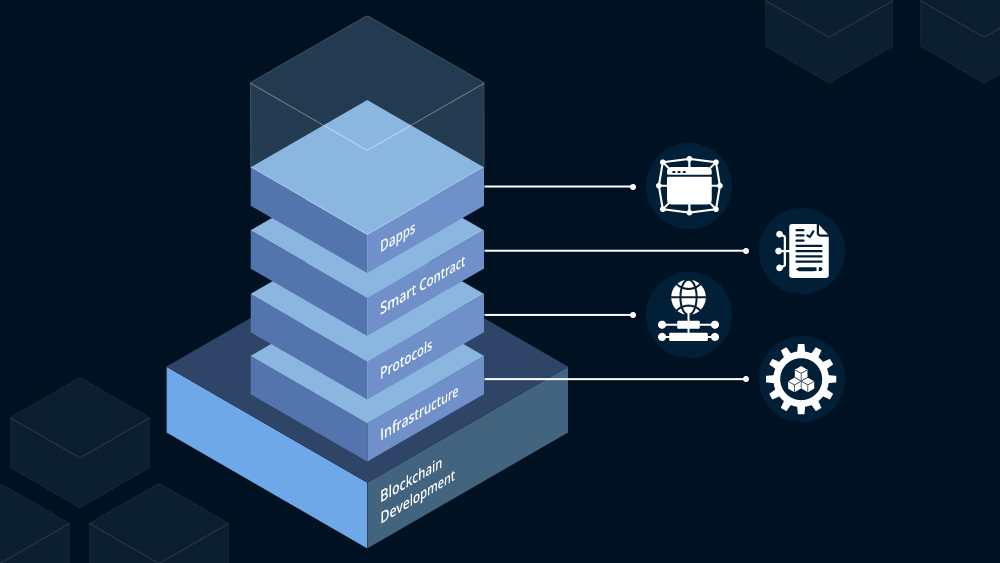
In today’s competitive landscape, the success of blockchain initiatives hinges on the expertise of skilled developers. Hiring blockchain developers with the right skill set and experience is paramount for ensuring the successful execution of blockchain projects. These developers possess a deep understanding of blockchain protocols, smart contract development, consensus mechanisms, and cryptography.

By partnering with a reputable blockchain development company, organizations can gain access to a pool of seasoned developers who can bring their blockchain vision to life. These companies specialize in recruiting top talent and providing end-to-end blockchain development services, from ideation and prototyping to deployment and maintenance. Leveraging the expertise of these professionals not only accelerates the development process but also ensures adherence to best practices and industry standards.

The Evolving Landscape of Blockchain Development

The field of blockchain development is constantly evolving, driven by technological advancements, regulatory changes, and shifting market dynamics. Developers must stay abreast of emerging trends and innovations to remain at the forefront of the industry. From the rise of interoperability protocols to the integration of artificial intelligence and machine learning with blockchain, staying ahead of the curve is essential for driving innovation and maintaining a competitive edge.

Moreover, the demand for blockchain developers extends beyond traditional software development roles. With the advent of decentralized finance (DeFi), non-fungible tokens (NFTs), and Web3 applications, new opportunities are emerging for developers to explore novel use cases and unlock untapped potential. Blockchain developers with a penchant for innovation and a willingness to embrace change are poised to thrive in this dynamic ecosystem.

Harnessing the Power of Blockchain Developers

In harnessing the power of blockchain developers, organizations can unlock a myriad of opportunities for growth and innovation. Whether it’s optimizing supply chain operations, enhancing financial transactions, or revolutionizing healthcare data management, the potential applications of blockchain technology are vast and far-reaching. By assembling a team of talented developers and partnering with a reputable blockchain development company, organizations can embark on a journey of digital transformation with confidence.

However, the journey towards blockchain integration is not without its challenges. From scalability concerns to regulatory hurdles, navigating the complexities of blockchain implementation requires careful planning and strategic foresight. This is where the expertise of seasoned blockchain developers becomes invaluable. By leveraging their experience and technical acumen, organizations can overcome obstacles, mitigate risks, and realize the full potential of blockchain technology.

Conclusion

Blockchain developers are the driving force behind the widespread adoption and innovation of blockchain technology. Their expertise, creativity, and dedication are instrumental in shaping the future of decentralized systems and transforming industries across the globe. As organizations continue to explore the transformative potential of blockchain, the demand for skilled developers will only continue to rise.

To thrive in this rapidly evolving landscape, organizations must prioritize hiring blockchain developers with the right skills and experience. By partnering with a reputable blockchain development company, they can access a wealth of expertise and resources to bring their blockchain initiatives to fruition. Together, blockchain developers and organizations can unlock new possibilities, drive innovation, and usher in a new era of technological advancement.