The role of AI in customer support

In the realm of customer support, the integration of artificial intelligence (AI) marks a significant leap forward. By harnessing technologies like chatbots, virtual assistants, and machine learning algorithms, businesses can automate responses, provide personalized assistance, and elevate the overall customer experience. This transformative integration fundamentally alters the dynamics of customer-business interactions, leveraging advanced tools such as natural language processing and automation to enhance the efficiency and effectiveness of support operations.

From the deployment of real-time chatbots to handle routine inquiries to the utilization of predictive analytics for optimizing support strategies, AI empowers businesses to deliver tailored, timely assistance round the clock. Beyond mere process optimization, AI fosters seamless customer experiences, thereby fostering stronger relationships and loyalty.

AI in customer support doesn’t just offer operational enhancements; it also provides businesses with invaluable insights into customer preferences, behaviors, and pain points. This data-driven approach enables businesses to offer tailored services and proactively resolve issues. By automating repetitive tasks, AI frees up human agents to focus on complex interactions, thereby improving overall service quality.

As technology continues to advance, the role of AI in customer support is poised for further expansion, offering increasingly sophisticated solutions to meet and exceed customer expectations.

Benefits of AI in Customer Support

For Customers

  1. Instant Support: AI ensures immediate responses to customer queries, efficiently routing complex issues to appropriate support agents for swift resolution.
  2. 24/7 Support: AI-powered tools guarantee consistent customer assistance, even outside of live agent availability, enhancing overall service accessibility.
  3. Reduced Errors: AI systems excel in precision, offering accurate solutions to evolving customer needs, thereby enhancing overall satisfaction.
  4. Efficient Issue Resolution: AI chatbots guide customers to solutions faster than live agents, fostering positive experiences.
  5. Enhanced User Experience: AI aids support teams in refining processes and proactively addressing common issues, leading to smoother interactions.
  6. Predictable Experience: AI provides clear paths for issue resolution, allowing customers to choose preferred methods with accurate response time estimates.
  7. Cost Savings: AI implementation reduces overhead costs, enabling businesses to maintain competitive pricing and enhance customer satisfaction.

For Backend Users

  1. Lead Identification: AI streamlines the identification of potential leads and can trigger targeted marketing campaigns, enhancing conversion rates.
  2. Data Collection and Analysis: AI facilitates the collection of vast data sets and transforms them into actionable insights to refine products and streamline customer service operations.
  3. Enhanced Brand Reputation: Efficient support processes contribute to elevated customer satisfaction, cultivating brand advocates who endorse products or services positively.
  4. Reduced Workload: AI resolves routine inquiries, decreasing the workload for customer service agents and empowering them to concentrate on high-value tasks.
  5. Cost Efficiency: AI manages growing customer needs effectively, controlling costs while maintaining service quality.
  6. Insightful Forecasting: Machine learning capabilities enable the analysis of data sets to forecast needs and optimize inventory management, driving strategic decision-making.

Operational Benefits of AI in Customer Support

  1. Brand Voice: Real-time messaging bot services provide an opportunity for businesses to connect with customers, fostering new revenue streams.
  2. AI-Powered Action Plans: AI offers quick responses and action plans, learning from customer context, history, and preferences to enhance the customer experience.
  3. One-time Investment: Automating responses via AI platforms significantly reduces costs associated with traditional call center practices.
  4. Multi-channel Support: An intelligent support system directs customers toward parallel support channels, enhancing the overall customer experience.
  5. Machine Learning for Enhanced Support: Machine learning enables customer support to anticipate and prepare for challenging problems, ensuring more efficient problem resolution.

Best Practices for AI in Customer Support

  1. Research: Conduct thorough research to guide your AI implementation strategy.
  2. Harness Customer Feedback: Continuously gather customer feedback to refine and improve support services.
  3. Personalize the Customer Journey: Utilize real-time customer data to offer tailored interactions across channels.
  4. Periodic Performance Evaluation: Schedule routine performance evaluations to identify areas for improvement and necessary adjustments.

Conclusion

The integration of AI into customer support represents a paradigm shift in customer-business interactions. The benefits are manifold, ranging from operational efficiency to enhanced customer satisfaction. As AI technologies continue to evolve, the possibilities for improving customer support are limitless, promising a future where customer satisfaction is not just a goal but a guaranteed outcome.
AI-powered dynamic pricing solutions: Optimizing revenue in real-time

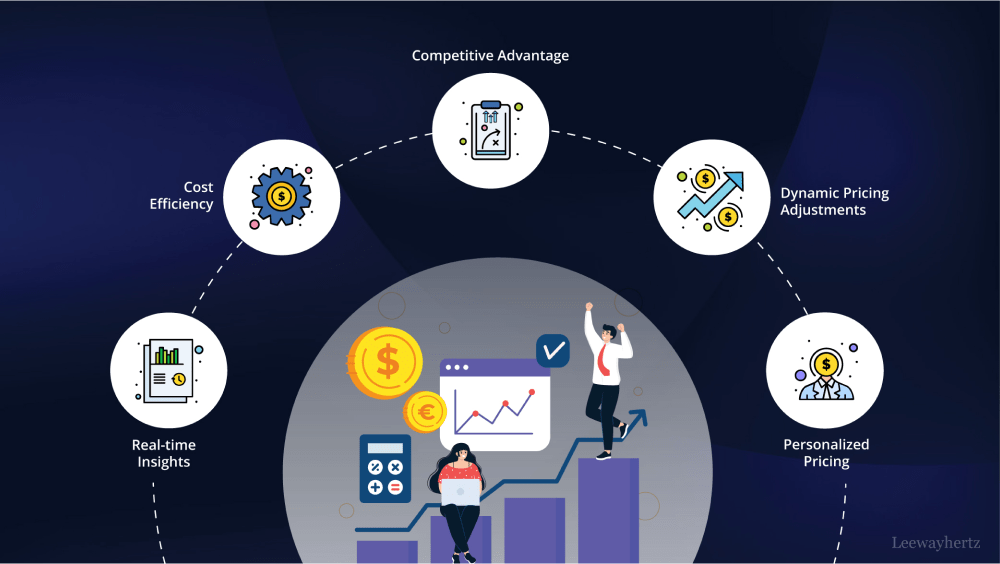
Dynamic pricing, a strategic approach embraced by businesses, continually adjusts product or service prices in response to factors such as demand, competition, and market conditions. This method enables businesses to set flexible prices that adapt to market fluctuations, thereby optimizing revenue and profit margins. In this exploration, we’ll delve into the core principles of dynamic pricing, its importance, various strategies, and the challenges posed by traditional pricing methods.

Dynamic pricing, also known as surge pricing, time-based pricing, or demand pricing, involves businesses adjusting prices in real-time based on changes in market conditions. Unlike fixed pricing, which maintains constant prices regardless of market shifts, dynamic pricing enables businesses to optimize revenue by setting prices that align with current market dynamics.

The significance of dynamic pricing lies in its capacity to maximize revenue and profit margins. By adapting prices to factors such as demand levels, seasonal variations, competitor pricing, and consumer behavior, businesses can enhance the perceived value of their products or services. Dynamic pricing empowers businesses to remain competitive, tailor offerings to consumer preferences, and capitalize on revenue opportunities.

There are several types of dynamic pricing strategies, each tailored to meet different business objectives and market conditions:

  • Time-based pricing: Prices fluctuate based on factors such as time of day, day of the week, or season. For instance, movie theaters may offer discounted tickets for matinee showings and higher prices for evening screenings.
  • Demand-based pricing: Prices adjust according to demand levels. During peak demand periods, prices rise to maximize revenue, while they may decrease during off-peak times to stimulate sales.
  • Competitive-based pricing: Prices respond to competitor pricing actions. Businesses monitor competitors’ pricing strategies and adjust their own prices to maintain competitiveness.
  • Segment-based pricing: Pricing is customized for various customer segments, taking into account factors such as purchasing habits, demographics, or geographic location. Airlines, for example, may offer different prices for economy, business, and first-class seats.

Challenges in traditional pricing approaches

Challenges in traditional pricing approaches include:

  • Manual analysis: Traditional pricing methods often rely on manual examination of market data, a time-consuming process prone to inaccuracies.
  • Lack of real-time insights: These methods may lack the capability to provide immediate insights into market trends, customer behavior, or competitor pricing strategies, hindering the prompt adjustment of pricing strategies.
  • Limited flexibility: Traditional pricing models may lack flexibility in adapting prices quickly to changes in demand, supply, or market conditions.
  • Inability to personalize: Traditional pricing methods may struggle to personalize pricing strategies according to individual customer preferences and behaviors, potentially resulting in missed revenue opportunities.
  • Difficulty in competitor analysis: Traditional approaches may encounter challenges in effectively analyzing competitor pricing strategies and market dynamics, hampering competitiveness.
  • Pricing inconsistencies: Traditional pricing approaches can lead to inconsistencies across different channels or regions, causing confusion or dissatisfaction among customers.
  • Reactive approach: Traditional pricing methods often adopt a reactive approach, where pricing decisions are made in response to immediate needs or pressures rather than proactive, data-driven strategies.

AI-based dynamic pricing in action: Use cases across diverse industries

Dynamic pricing has widespread applications across various industries, enabling businesses to optimize revenue and stay competitive. Here are some use cases and examples of dynamic pricing implementation:

E-commerce sector: E-commerce platforms utilize dynamic pricing to adjust product prices in real-time based on factors such as demand, competitor pricing, and customer behavior. For instance, online retailers may offer personalized discounts or adjust prices during flash sales to stimulate purchases and maximize revenue.

Travel and hospitality industry: Hotels, airlines, and travel agencies leverage dynamic pricing to adjust room rates, ticket prices, and vacation packages dynamically. This allows them to capitalize on fluctuations in demand, seasonal trends, and booking patterns, optimizing revenue while ensuring maximum occupancy and resource utilization.

Retail and consumer goods: Retailers and consumer goods companies implement dynamic pricing to optimize pricing strategies across various products and categories. For example, supermarkets may adjust prices based on inventory levels, expiration dates, and promotional campaigns, while fashion retailers may use dynamic pricing to clear excess inventory or capitalize on trends.

Industrial B2B markets: Business-to-business (B2B) and industrial sectors leverage dynamic pricing to negotiate contract terms, adjust pricing based on order volumes, and manage pricing agreements with suppliers and distributors. This allows them to optimize pricing structures, improve profit margins, and maintain competitive pricing in complex supply chains.

Transportation and logistics: Transportation and logistics companies utilize dynamic pricing to optimize freight rates, shipping fees, and transportation services based on factors such as fuel costs, demand-supply dynamics, and route efficiency. Dynamic pricing enables these companies to maximize resource utilization, minimize empty miles, and improve overall operational efficiency.

Entertainment and events: Entertainment venues, concert organizers, and event management companies leverage dynamic pricing to adjust ticket prices based on factors such as seat availability, demand for specific events, and proximity to the event date. Dynamic pricing helps optimize ticket sales, maximize revenue, and manage capacity constraints for popular events and performances.

Healthcare and pharmaceuticals: Healthcare providers and pharmaceutical companies implement dynamic pricing strategies to optimize pricing for medical services, prescription drugs, and healthcare products. Dynamic pricing enables healthcare organizations to adjust prices based on factors such as patient demographics, insurance coverage, and market demand, ensuring affordability and accessibility of healthcare services while maximizing revenue.

Endnote

Implementing an AI-driven dynamic pricing solution stands as a critical stride towards enhancing efficiency, competitiveness, and profitability in contemporary business frameworks. Through the utilization of AI and sophisticated machine learning algorithms, enterprises can unveil unparalleled potentials in optimizing pricing strategies. This discourse delves into the foundational principles of dynamic pricing, AI’s influence on reshaping pricing tactics, and the essential components pivotal in constructing an AI-fueled dynamic pricing framework.

From the inception of data collection and preprocessing to model training, evaluation, and deployment, each phase in the process holds pivotal significance in the triumph of dynamic pricing endeavors. AI integration empowers businesses to scrutinize extensive datasets, discern patterns, and execute real-time pricing decisions with precision and agility. Furthermore, AI-driven dynamic pricing systems proffer adaptability to fluctuating market dynamics, facilitate personalized pricing strategies, and maximize revenue streams.

Envisioning the horizon, the future of AI-driven dynamic pricing solutions brims with potential, characterized by advancements in AI algorithms, integration with nascent technologies, and the evolution of autonomous pricing mechanisms. Nonetheless, organizations must address ethical considerations, regulatory adherence, and foster customer trust to ensure the judicious and ethical utilization of AI in pricing methodologies. Constructing an AI-driven dynamic pricing solution transcends mere technology adoption; it entails embracing a transformative ethos that champions data-centric decision-making, innovation, and customer-centricity. By harnessing AI to fine-tune pricing strategies, enterprises can maintain a competitive edge, foster sustainable growth, and deliver enhanced value to customers amidst an intensifying marketplace rivalry.

Automated invoice processing: Leveraging AI for Accounts Payable (AP) Automation

For numerous businesses, the task of processing invoices remains a laborious and time-consuming endeavor. Inbox congestion with heaps of paperwork, coupled with manual data entry, not only hampers productivity but also elevates the risk of errors. Studies indicate that a significant 3.6% of manually processed invoices contain errors, exposing organizations to potential financial discrepancies and compliance hurdles. However, envision a solution where this process is automated, liberating valuable resources and ensuring precision. Welcome to the realm of AI invoice processing, revolutionizing the operations of accounts payable (AP) departments.
Picture a system seamlessly capturing invoice data from both paper and digital formats with unparalleled accuracy. Recent statistics shed light on the vast difference between conventional methods and AI-driven solutions, showcasing an astounding 99% accuracy in capturing invoice header data through automation. AI algorithms, honed on extensive datasets, adeptly decode even the most intricate layouts and formats, extracting crucial information such as vendor names, amounts due, and purchase order numbers. We no longer grapple with manual inputs and human fallibility; AI undertakes the heavy lifting, safeguarding data integrity and streamlining the entire workflow.
Beyond mere data extraction, AI heralds even more profound benefits. It simplifies invoice processes by autonomously routing them for approval based on predefined rules, while also flagging discrepancies against purchase orders before they impact financial standings. Moreover, it automates mundane tasks, eradicates manual data entry errors, and can even schedule payments according to preset criteria. Invoices seamlessly enter the system, are categorized, and are validated, with data smoothly integrated into the accounting infrastructure. This newfound efficiency translates into expedited payments for vendors, enhanced cash flow, real-time financial insights, and significant time savings for your team.
Yet, AI invoice processing isn’t solely about speed; it also empowers with deeper insights into spending habits. By analyzing extracted data, organizations can discern trends, optimize procurement processes, and make data-driven decisions to bolster financial well-being.
Are you ready to bid farewell to cumbersome paper trails and embrace a more efficient, streamlined approach to invoice management? Delve into this article to explore the transformative potential of AI invoice processing and uncover how it can revolutionize your accounts payable operations, affording you more time to concentrate on core business growth.
This article delves into how AI revolutionizes invoice processing by juxtaposing traditional methods with AI-driven solutions. It delineates AI’s pivotal role in invoice processing workflows, offers implementation insights, and spotlights the myriad benefits of AI integration.

Significance of efficient invoice processing for businesses

Invoice processing is a fundamental aspect of business operations that often flies under the radar until issues arise. It encompasses the receipt, validation, and recording of invoices from vendors or suppliers for goods or services rendered. Despite its seemingly mundane nature, efficient invoice processing is indispensable for a business’s financial well-being and overall prosperity. Here’s why:

  • Cash flow management: Timely invoice processing ensures prompt and accurate payments, thus maintaining a healthy cash flow. Delays or errors in processing can lead to cash flow bottlenecks, late fees, and strained supplier relationships.
  • Expense management: Proper invoice processing enables businesses to track and manage expenses effectively, identify spending patterns, control costs, and make informed decisions regarding budget allocation and resource utilization.
  • Compliance and accountability: Invoices are legal documents outlining transaction terms and providing proof of purchase. Accurate processing ensures compliance with regulations and internal policies, minimizing the risk of financial errors, disputes, and legal issues.
  • Vendor relationships: Efficient invoice processing fosters positive relationships with vendors and suppliers through prompt payment and clear communication. This demonstrates reliability and trustworthiness and potentially leads to favorable terms, discounts, and collaboration opportunities.
  • Financial reporting: Well-processed invoices provide crucial data for financial reporting and analysis, enabling accurate financial statements, KPI tracking, and informed decision-making based on reliable information.
  • Fraud prevention: Robust invoice processing procedures help prevent fraud and unauthorized payments by implementing verification protocols like matching invoices with purchase orders and receipts, thus mitigating the risk of financial losses.
  • Audit preparedness: Efficient invoice processing ensures businesses are ready for audits and financial inspections with organized documentation and accurate record-keeping, facilitating compliance and simplifying the audit process.
  • Competitive advantage: Streamlined invoice processing contributes to a competitive edge in the marketplace by prioritizing efficiency, accuracy, and transparency in financial operations, positioning businesses for success in today’s fast-paced business environment.
  • Enhanced decision-making: Insights derived from thorough invoice processing aid informed decision-making by providing a clear understanding of expenditures and financial obligations. This enablesstrategic choices aligned with organizational goals and market conditions, thereby enhancing overall performance.

While often overlooked, invoice processing plays a critical role in business management, ensuring financial health and operational efficiency. By investing in efficient systems, adhering to best practices, and prioritizing accuracy and compliance, businesses lay the groundwork for streamlined operations, sustainable growth, and long-term success.

The Role of AI in Invoice Processing

In the dynamic landscape of modern business, manual invoice handling presents notable hurdles for organizations aiming to optimize efficiency and accuracy in their financial operations. Integrating AI into invoice processing has become a pivotal solution, revolutionizing traditional accounts payable procedures and reshaping the business environment. Below is an in-depth examination of AI’s crucial role in refining and elevating invoice processing:

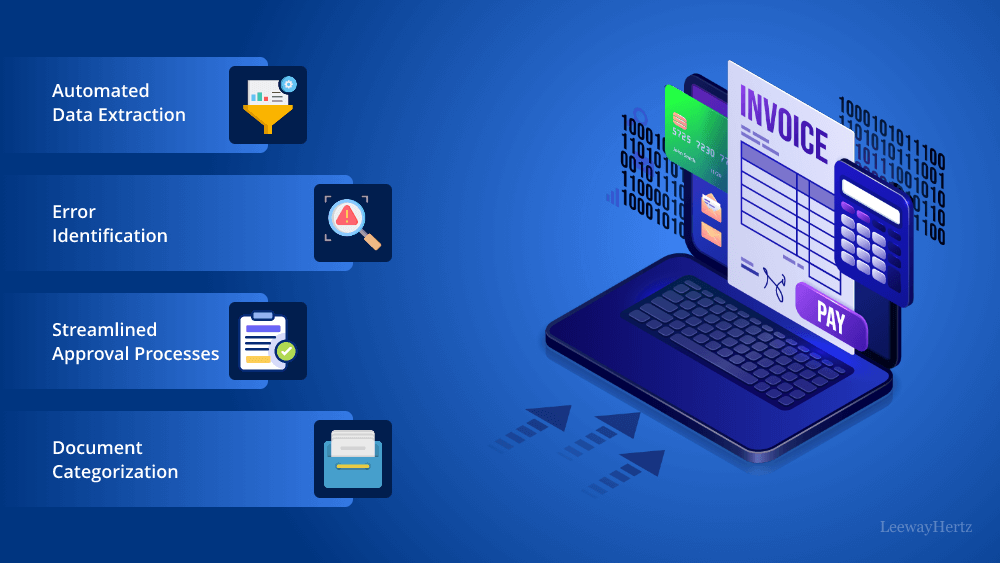
  • Automated Data Extraction: AI methodologies like machine learning, Natural Language Processing (NLP), and pattern recognition are instrumental in swiftly and precisely extracting pertinent information from invoices. These techniques empower systems to analyze and interpret diverse invoice formats, languages, and writing styles, thereby enhancing extraction efficiency. By scrutinizing the text, AI systems can pinpoint vital data points such as invoice numbers, dates, vendor details, and line items, diminishing the necessity for manual data entry and minimizing errors.
  • Non-PO Invoice Processing: Conventional methods such as OCR and rules-based programming may encounter difficulties with non-standard invoices, such as handwritten ones. AI, particularly machine learning models, excels in managing diverse invoice formats and variations, accurately capturing nuanced information. It becomes proficient at identifying and interpreting variations as it processes more invoices.
  • Enhanced Accuracy and Efficiency: AI algorithms continually learn and refine from labeled data, leading to heightened accuracy over time. By efficiently handling large volumes of invoices, AI streamlines the invoice processing workflow, reducing processing times and bolstering overall efficiency.
  • Streamlined Approval Processes: AI intelligently identifies approvers based on historical data and predefined rules, ensuring that invoices are promptly routed to the appropriate personnel for approval. This streamlines the approval process, minimizes delays, and enhances accountability within the organization.
  • Integration with ERP Systems: AI-driven invoice processing solutions seamlessly integrate with existing Enterprise Resource Planning (ERP) or accounting software, facilitating smooth data transfer and synchronization. This integration enables real-time visibility into financial data and augments the overall efficiency of accounting processes.

Benefits of AI-driven invoice processing

AI-driven automation revolutionizes financial operations in organizations, delivering a multitude of advantages. Here’s a glimpse:

  • Expedited invoice processing: Utilizing AI significantly reduces processing durations compared to manual methods. For example, while manual data extraction might consume over three and a half minutes per invoice, AI-driven extraction completes the task in less than 27 seconds. This swift processing accelerates workflows, ensuring timely vendor payments and bolstering operational efficiency.
  • Accurate data extraction: AI algorithms excel in extracting and validating data from invoices with remarkable precision, greatly minimizing errors common in manual data entry. Cognitive data capture, achieving up to 98% accuracy, empowers users to process invoices with heightened reliability, thus reducing discrepancies and maintaining the integrity of financial records.
  • Increased workforce efficiency: By automating repetitive tasks like data entry and validation, AI frees finance professionals from mundane duties, enabling them to concentrate on strategic endeavors. This surge in productivity, allowing simultaneous processing of six times more documents, optimizes resource allocation and boosts organizational efficiency.
  • Cost-effectiveness: Efficiency gains from AI automation lead to substantial cost reductions by cutting down labor expenses associated with manual invoice processing. Furthermore, fewer errors result in decreased financial discrepancies, fortifying the organization’s financial well-being and enhancing the bottom line. Data from Aberdeen Group indicates that AI adoption can reduce costs within accounts payable departments by a significant 30%.
  • Streamlined cash flow management: Swift invoice processing accelerates approval and payment cycles, improving cash flow management. Organizations leveraging AI-powered automation capture nearly 75% of early payment discounts, nurturing stronger ties with suppliers and vendors while maximizing financial benefits.
  • Fraud prevention and error detection: AI-driven systems can pinpoint anomalies and patterns suggestive of fraudulent invoices or errors, shielding organizations from financial losses and reputational harm.
  • Regulatory compliance assurance: AI-driven solutions ensure strict adherence to regulatory requirements and internal policies by systematically validating invoices against predefined rules and standards. This proactive approach mitigates the risk of non-compliance penalties and cultivates a culture of regulatory integrity.

Endnote

Integrating AI into invoice processing signifies more than just a technological leap; it marks a fundamental shift in approach. AI empowers businesses to refine their financial processes and enhance efficiency by automating mundane tasks, reducing errors, and extracting valuable insights. From expedited processing times and streamlined workflows to better cash flow management and heightened data precision, the undeniable advantages contribute significantly to the genuine financial transformation of your enterprise.
As AI technology advances, its capabilities in invoice processing will expand further. Anticipate even more sophisticated solutions adept at handling intricate invoices, adapting to various formats, seamlessly integrating with current systems, and leveraging historical data to identify anomalies and forecast future trends. This progression will pave the way for fully autonomous invoice processing, liberating human resources for more strategic endeavors and higher-level tasks.
While AI cannot entirely supplant human oversight, it is a potent tool to augment human capabilities. Embracing AI in invoice processing unlocks a future characterized by optimized financial operations, enhanced profitability, and a competitive edge in today’s dynamic market landscape. The future of invoice processing is intelligent, automated, and AI-driven - are you prepared to embrace it?

Unlocking Efficiency: Building Predictive Machine Learning Models for Manufacturing Operations

In the ever-evolving landscape of manufacturing, efficiency is paramount. From optimizing production processes to minimizing downtime, every decision can have a significant impact on the bottom line. In recent years, machine learning has emerged as a powerful tool for enhancing efficiency and predicting outcomes in manufacturing operations. By harnessing the power of data, businesses can build predictive machine learning models that offer insights into everything from equipment maintenance schedules to supply chain management.

Understanding the Need for Predictive Machine Learning in Manufacturing

Traditional manufacturing processes often rely on reactive measures to address issues as they arise. However, this approach can lead to costly downtime, inefficiencies, and lost revenue. Predictive machine learning models offer a proactive solution by analyzing historical data, identifying patterns, and forecasting potential outcomes. By leveraging these insights, manufacturers can anticipate maintenance needs, optimize production schedules, and mitigate risks before they escalate.

Key Components of a Predictive Machine Learning Model for Manufacturing

Building a predictive machine learning model for manufacturing operations requires careful planning and execution. Here are some key components to consider:

  1. Data Collection and Preparation: The foundation of any machine learning model is data. In manufacturing, this may include information on equipment performance, production rates, quality control metrics, and more. Data must be collected from various sources, cleansed, and formatted for analysis.
  2. Feature Selection: Not all data variables are equally relevant for predictive modeling. Through feature selection techniques, manufacturers can identify the most influential factors that impact production outcomes. This step helps streamline the model and improve its accuracy.
  3. Algorithm Selection: Choosing the right algorithm is crucial for the success of a predictive machine learning model. Depending on the nature of the problem and the type of data available, manufacturers may opt for algorithms such as regression, decision trees, random forests, or neural networks.
  4. Model Training and Evaluation: Once the algorithm is selected, the model must be trained using historical data. During the training phase, the model learns patterns and relationships within the data. After training, the model’s performance is evaluated using validation datasets to ensure its accuracy and reliability.
  5. Deployment and Monitoring: After thorough testing, the predictive model is deployed into production. However, the journey doesn’t end there. Continuous monitoring is essential to track the model’s performance over time, identify potential drift, and make adjustments as needed.

Benefits of Predictive Machine Learning in Manufacturing

Implementing predictive machine learning models can yield numerous benefits for manufacturing operations:

  1. Improved Efficiency: By predicting equipment failures and optimizing production schedules, manufacturers can minimize downtime and maximize throughput.
  2. Cost Savings: Proactively addressing maintenance needs and optimizing resource utilization can result in significant cost savings over time.
  3. Enhanced Quality Control: Predictive models can identify potential quality issues before they occur, allowing manufacturers to take corrective action and maintain product quality standards.
  4. Supply Chain Optimization: Predictive analytics can help optimize inventory levels, anticipate demand fluctuations, and streamline supply chain operations.
  5. Data-Driven Decision Making: By leveraging insights from predictive models, manufacturers can make more informed decisions based on data rather than intuition or guesswork.

Challenges and Considerations

While predictive machine learning holds immense potential for manufacturing, it’s not without its challenges. Some common considerations include:

  1. Data Quality: The accuracy and reliability of predictive models depend heavily on the quality of the underlying data. Manufacturers must ensure data integrity and address issues such as missing values, outliers, and inconsistencies.
  2. Integration with Existing Systems: Implementing predictive models may require integration with existing manufacturing systems and processes. Seamless integration is essential to ensure smooth operation and adoption by frontline workers.
  3. Change Management: Adopting predictive analytics represents a significant shift in mindset and workflow for many manufacturing organizations. Effective change management strategies are necessary to overcome resistance and promote adoption at all levels of the organization.
  4. Ethical and Regulatory Considerations: As with any data-driven technology, manufacturers must consider ethical implications such as data privacy, bias, and fairness. Compliance with regulatory requirements is also critical, particularly in highly regulated industries.

Conclusion

Predictive machine learning has the potential to revolutionize manufacturing operations by enabling proactive decision-making, optimizing processes, and driving efficiency gains. By harnessing the power of data and advanced analytics, manufacturers can stay ahead of the curve in an increasingly competitive landscape. However, success requires careful planning, investment in technology and talent, and a commitment to continuous improvement. With the right strategy and approach, predictive machine learning can unlock new opportunities for innovation and growth in the manufacturing sector.

Smart Contract Development Services

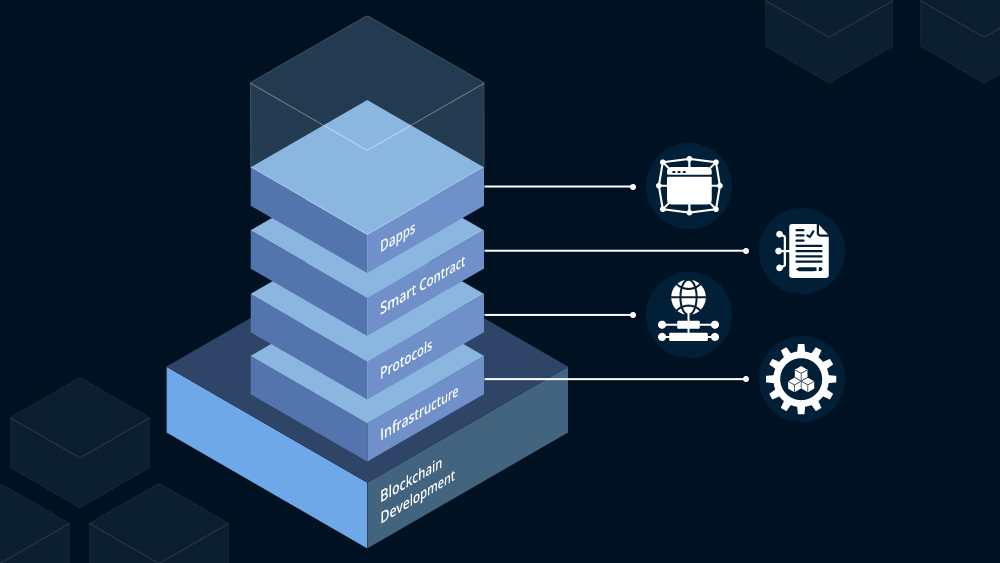
In the realm of blockchain technology, smart contracts have emerged as a revolutionary tool, promising automation, security, and transparency in various industries. From finance to supply chain management, the potential applications of smart contracts are vast and transformative. However, the journey from ideation to implementation of smart contracts requires expertise and precision. This is where Smart Contract Development, smart contract development services, and Smart Contract Consulting come into play, offering essential support and guidance to businesses navigating this complex landscape.

Understanding Smart Contract Development

Smart contracts are self-executing contracts with the terms of the agreement directly written into code. Once deployed on a blockchain network, these contracts automatically execute and enforce themselves when predetermined conditions are met. This eliminates the need for intermediaries, reduces the risk of manipulation or fraud, and streamlines the execution of agreements.

Smart contract development involves the creation, testing, and deployment of these digital agreements. It requires a deep understanding of blockchain technology, programming languages, and the specific requirements of the contract. Solidity, Ethereum’s programming language, is commonly used for smart contract development, although other platforms like EOS, Hyperledger Fabric, and Tron also support smart contracts.

The Role of Smart Contract Development Services

For businesses looking to harness the power of smart contracts, partnering with a reliable smart contract development services provider is essential. These services offer expertise in blockchain technology, programming, and smart contract development methodologies, enabling businesses to navigate the complexities of smart contract implementation with confidence.

Smart contract development services encompass a range of activities, including:

  1. Consultation: Smart contract development services begin with a comprehensive consultation to understand the client’s objectives, requirements, and existing infrastructure. This phase involves assessing the feasibility of integrating smart contracts into the client’s business processes and identifying potential use cases.
  2. Design and Development: Once the requirements are clear, the development team designs the architecture of the smart contract and begins coding. This phase involves writing, testing, and optimizing the smart contract code to ensure its reliability, security, and efficiency.
  3. Deployment: After rigorous testing and quality assurance, the smart contract is deployed onto the desired blockchain network. This step requires careful consideration of factors such as network scalability, consensus mechanisms, and gas fees.
  4. Maintenance and Support: Smart contract development services providers offer ongoing maintenance and support to ensure the smooth operation of deployed contracts. This includes monitoring for vulnerabilities, implementing updates, and addressing any issues that may arise.

The Importance of Smart Contract Consulting

Smart Contract Consulting plays a pivotal role in guiding businesses through the intricacies of smart contract development and implementation. Experienced consultants provide valuable insights, best practices, and strategic advice to help businesses make informed decisions and maximize the benefits of smart contracts.

Key aspects of smart contract consulting include:

  1. Strategic Planning: Smart contract consultants work closely with clients to develop a comprehensive strategy for integrating smart contracts into their business processes. This involves identifying opportunities, assessing risks, and defining clear objectives for smart contract implementation.
  2. Technical Expertise: Smart contract consulting firms employ experienced blockchain developers and experts who possess in-depth knowledge of blockchain technology, consensus mechanisms, and smart contract programming languages. This expertise is invaluable in designing robust and efficient smart contracts that meet the client’s requirements.
  3. Regulatory Compliance: Compliance with regulatory requirements is a critical consideration in smart contract development. Smart contract consultants help businesses navigate the complex regulatory landscape, ensuring that their smart contracts adhere to relevant laws and regulations.
  4. Security and Auditing: Security is paramount in smart contract development, as vulnerabilities can lead to significant financial losses or breaches of sensitive data. Smart contract consultants conduct thorough security audits and implement best practices to mitigate risks and enhance the resilience of smart contracts.

Conclusion

Smart contract development holds immense potential to revolutionize various industries by automating processes, enhancing security, and reducing costs. However, successful implementation requires expertise, careful planning, and strategic guidance. Smart contract development services and consulting firms play a vital role in helping businesses harness the full benefits of this transformative technology. By leveraging their expertise, businesses can navigate the complexities of smart contract development with confidence and unlock new opportunities for growth and innovation.

In the ever-evolving landscape of blockchain technology, smart contracts stand out as a powerful tool for driving efficiency, transparency, and trust in business operations. With the right support and guidance from smart contract development services and consulting firms, businesses can embark on their journey towards digital transformation with confidence and clarity.

Blockchain Developers

In the realm of technological advancement, few innovations have garnered as much attention and promise as blockchain technology. From its inception with Bitcoin to its widespread adoption across various industries, blockchain has revolutionized how we perceive data integrity, security, and transparency. At the heart of this transformative technology lie the skilled and visionary individuals known as blockchain developers. In this article, we delve into the world of blockchain developers, exploring their significance, the evolving landscape of blockchain development, and the pivotal role they play in shaping our digital future.

Understanding Blockchain Developers

Blockchain developers are the architects behind the decentralized systems that underpin blockchain technology. They possess a unique blend of technical expertise, problem-solving prowess, and a deep understanding of cryptographic principles. Their primary role involves designing, implementing, and maintaining blockchain solutions that address specific business challenges or industry needs.

As the demand for blockchain solutions continues to soar, so does the need for talented blockchain developers. Organizations across various sectors are actively seeking to harness the potential of blockchain technology to streamline operations, enhance security, and drive innovation. Whether it’s finance, healthcare, supply chain management, or beyond, blockchain developers are instrumental in realizing the transformative benefits of distributed ledger technology.

The Importance of Hiring Blockchain Developers

In today’s competitive landscape, the success of blockchain initiatives hinges on the expertise of skilled developers. Hiring blockchain developers with the right skill set and experience is paramount for ensuring the successful execution of blockchain projects. These developers possess a deep understanding of blockchain protocols, smart contract development, consensus mechanisms, and cryptography.

By partnering with a reputable blockchain development company, organizations can gain access to a pool of seasoned developers who can bring their blockchain vision to life. These companies specialize in recruiting top talent and providing end-to-end blockchain development services, from ideation and prototyping to deployment and maintenance. Leveraging the expertise of these professionals not only accelerates the development process but also ensures adherence to best practices and industry standards.

The Evolving Landscape of Blockchain Development

The field of blockchain development is constantly evolving, driven by technological advancements, regulatory changes, and shifting market dynamics. Developers must stay abreast of emerging trends and innovations to remain at the forefront of the industry. From the rise of interoperability protocols to the integration of artificial intelligence and machine learning with blockchain, staying ahead of the curve is essential for driving innovation and maintaining a competitive edge.

Moreover, the demand for blockchain developers extends beyond traditional software development roles. With the advent of decentralized finance (DeFi), non-fungible tokens (NFTs), and Web3 applications, new opportunities are emerging for developers to explore novel use cases and unlock untapped potential. Blockchain developers with a penchant for innovation and a willingness to embrace change are poised to thrive in this dynamic ecosystem.

Harnessing the Power of Blockchain Developers

In harnessing the power of blockchain developers, organizations can unlock a myriad of opportunities for growth and innovation. Whether it’s optimizing supply chain operations, enhancing financial transactions, or revolutionizing healthcare data management, the potential applications of blockchain technology are vast and far-reaching. By assembling a team of talented developers and partnering with a reputable blockchain development company, organizations can embark on a journey of digital transformation with confidence.

However, the journey towards blockchain integration is not without its challenges. From scalability concerns to regulatory hurdles, navigating the complexities of blockchain implementation requires careful planning and strategic foresight. This is where the expertise of seasoned blockchain developers becomes invaluable. By leveraging their experience and technical acumen, organizations can overcome obstacles, mitigate risks, and realize the full potential of blockchain technology.

Conclusion

Blockchain developers are the driving force behind the widespread adoption and innovation of blockchain technology. Their expertise, creativity, and dedication are instrumental in shaping the future of decentralized systems and transforming industries across the globe. As organizations continue to explore the transformative potential of blockchain, the demand for skilled developers will only continue to rise.

To thrive in this rapidly evolving landscape, organizations must prioritize hiring blockchain developers with the right skills and experience. By partnering with a reputable blockchain development company, they can access a wealth of expertise and resources to bring their blockchain initiatives to fruition. Together, blockchain developers and organizations can unlock new possibilities, drive innovation, and usher in a new era of technological advancement.

Blockchain Development Company

In the digital landscape where data integrity and trust are paramount, blockchain technology stands tall as a beacon of transparency, security, and efficiency. At the forefront of this revolution are blockchain development companies, serving as architects of decentralized solutions that are reshaping industries worldwide. From finance to healthcare, supply chain to entertainment, these companies are pivotal in paving the way for a decentralized future. Let’s delve into the realm of blockchain development services and explore how they are shaping tomorrow’s landscape.

Understanding Blockchain Development Company

A blockchain development company is the driving force behind the creation of decentralized solutions powered by blockchain technology. Specializing in designing, developing, and deploying blockchain-based applications tailored to meet the unique needs of diverse industries, these companies possess a deep understanding of blockchain protocols, smart contracts, cryptography, and decentralized consensus mechanisms. This expertise enables them to create robust and secure systems that redefine traditional paradigms.

The Essence of Blockchain Development Services

Blockchain development services encompass a wide array of offerings, each contributing to the holistic development and deployment of blockchain solutions:

  1. Consultation and Ideation: Blockchain development companies work closely with clients to understand their business objectives and identify areas where blockchain technology can drive value. Through strategic consultation and ideation sessions, they help conceptualize blockchain solutions that address specific pain points and unlock new opportunities.
  2. Custom Development: Leveraging their expertise in blockchain protocols such as Ethereum, Hyperledger, and Corda, these companies develop custom blockchain solutions tailored to the unique requirements of their clients. Whether it’s building decentralized applications (DApps), smart contracts, or permissioned blockchains, they ensure that every aspect of the solution aligns with the client’s vision.
  3. Integration and Deployment: Seamless integration of blockchain solutions into existing infrastructure is critical for maximizing efficiency and minimizing disruption. Blockchain development companies handle the entire deployment process, ensuring smooth integration with legacy systems and third-party applications.
  4. Security Audits and Testing: Security is paramount in the world of blockchain, given the irreversible nature of transactions and the prevalence of cyber threats. These companies conduct comprehensive security audits and rigorous testing to identify and mitigate vulnerabilities, ensuring that the blockchain ecosystem remains robust and resilient.
  5. Maintenance and Support: Post-deployment, blockchain development companies provide ongoing maintenance and support services to ensure the smooth operation of blockchain networks. This includes monitoring performance, implementing upgrades, and addressing any issues that may arise promptly.

Impact Across Industries

Blockchain technology has the potential to revolutionize virtually every industry, offering unprecedented levels of transparency, security, and efficiency. Blockchain development companies are instrumental in driving this transformation across various sectors:

  1. Finance: Blockchain technology is reshaping the finance industry by revolutionizing transactions, settlements, and asset management. Blockchain development companies are building decentralized finance (DeFi) platforms, enabling peer-to-peer lending, asset tokenization, and automated trading with unprecedented security and efficiency.
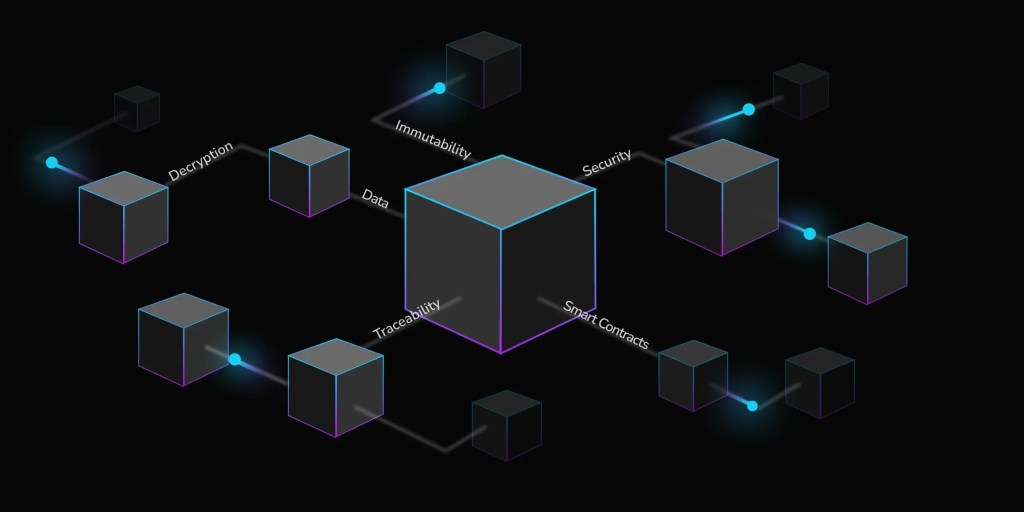
  2. Supply Chain: Blockchain technology offers end-to-end traceability, provenance tracking, and immutable record-keeping, making it invaluable for the supply chain industry. Blockchain development companies are creating solutions that enhance transparency and accountability, combating issues such as counterfeit goods, product recalls, and supply chain fraud.
  3. Healthcare: The integrity and security of patient data are of utmost importance in healthcare. Blockchain development companies are leveraging blockchain technology to create interoperable health data exchanges, secure electronic health records (EHRs), and transparent pharmaceutical supply chains, revolutionizing patient care and medical research.
  4. Real Estate: Blockchain technology is streamlining property transactions, reducing friction, and eliminating intermediaries in the real estate industry. Blockchain development companies are creating platforms for property tokenization, fractional ownership, and transparent property registries, democratizing access to real estate investments and transforming the way properties are bought, sold, and managed.
  5. Entertainment: Blockchain technology is empowering creators, artists, and content distributors in the entertainment industry by enabling transparent royalty payments, digital rights management, and decentralized content platforms. Blockchain development companies are building solutions that eliminate intermediaries, ensure fair compensation, and provide greater control and transparency over intellectual property rights.

Conclusion

Blockchain development companies are pivotal in driving the adoption and integration of blockchain technology across industries. With their expertise in blockchain development services, these companies are paving the way for a decentralized future where transparency, security, and efficiency are paramount. As we continue on this journey of innovation, blockchain development companies will remain at the forefront, shaping tomorrow’s landscape and unlocking new possibilities for industries worldwide.

Generative AI in telecom: Boosting efficiency and customer service for telecommunication businesses

In the rapidly evolving landscape of telecommunications, artificial intelligence (AI) has emerged as a transformative force, reshaping the industry and pushing boundaries. Among the various applications of AI in telecom, generative AI stands out as a cutting-edge technology that holds immense potential. This article explores the role of generative AI in telecom, delving into its use cases and the impact it has on enhancing operational efficiency and customer experiences.

The Intersection of AI and Telecom

As the telecommunications sector navigates the complexities of a digital era, AI has become a cornerstone for innovation and progress. The integration of AI technologies is no longer an option but a necessity for telecom operators aiming to stay competitive and meet the growing demands of an interconnected world. Among the myriad facets of AI, generative AI has emerged as a powerful tool, enabling telecom companies to go beyond conventional applications and unlock new possibilities.

Understanding Generative AI in Telecom

Generative AI, a subset of artificial intelligence, involves machines creating new content autonomously, mimicking human-like creative processes. In the telecom sector, this technology is harnessed to generate valuable insights, optimize network operations, and improve customer experiences. Unlike traditional AI models that rely on predefined rules and patterns, generative AI has the capability to learn and adapt dynamically, making it an ideal solution for the dynamic and ever-changing telecom landscape.

AI Use Cases in Telecom

  1. Network Optimization: Generative AI plays a pivotal role in optimizing telecom networks. By analyzing vast amounts of data in real-time, the technology can identify patterns, predict potential network issues, and automatically implement adjustments to enhance overall performance. This not only ensures a seamless user experience but also minimizes downtime and operational costs.
  2. Predictive Maintenance: Telecom infrastructure is vast and complex, requiring meticulous maintenance to prevent disruptions. Generative AI excels in predictive maintenance by analyzing historical data, identifying potential equipment failures, and recommending proactive measures. This proactive approach minimizes downtime and improves the reliability of telecom services.
  3. Fraud Detection and Prevention: The telecom industry is susceptible to fraudulent activities, such as SIM card cloning and identity theft. Generative AI enhances security by continuously analyzing network traffic and user behavior, identifying anomalies that may indicate fraudulent activities. This proactive approach helps telecom operators stay one step ahead of cyber threats, safeguarding both their networks and customers.
  4. Personalized Customer Experiences: Generative AI transforms customer interactions by enabling telecom companies to deliver personalized services. Through the analysis of customer behavior, preferences, and usage patterns, the technology can generate targeted recommendations, offers, and promotions. This not only enhances customer satisfaction but also contributes to customer retention and loyalty.
  5. Chatbots and Virtual Assistants: Generative AI powers advanced chatbots and virtual assistants in the telecom industry. These intelligent interfaces can handle customer queries, provide technical support, and even assist in the onboarding process. By continuously learning from interactions, they improve their responsiveness and effectiveness, enhancing the overall customer service experience.

Implementing Generative AI in Telecom

Telecom companies looking to harness the potential of generative AI must embark on a strategic and phased implementation process. This involves:

  1. Data Collection and Integration: To enable generative AI systems to function effectively, telecom operators must collect and integrate vast amounts of data from various sources, including network performance metrics, customer interactions, and historical data.
  2. Training the AI Model: The success of generative AI in telecom relies on robust training processes. Telecom operators need to feed the AI model with diverse datasets, allowing it to learn and adapt to the intricacies of the telecom environment.
  3. Integration with Existing Systems: Seamless integration with existing telecom systems is critical. Generative AI should complement and enhance the capabilities of current infrastructure, ensuring a smooth transition and minimizing disruptions.
  4. Continuous Monitoring and Improvement: The dynamic nature of the telecom industry requires continuous monitoring and improvement of generative AI models. Regular updates and refinements based on real-world data ensure the system remains adaptive and responsive to emerging challenges.

Conclusion

Generative AI is at the forefront of revolutionizing the telecom industry, offering unprecedented capabilities to enhance network performance, improve customer experiences, and drive innovation. As telecom operators increasingly embrace the potential of generative AI, the industry is poised for a transformative shift towards a more intelligent, efficient, and customer-centric future. The synergy between AI and telecom is not just a trend but a fundamental evolution that will shape the industry for years to come. As we stand at the intersection of artificial intelligence and telecommunications, the journey towards a connected and intelligent future has only just begun.

Revolutionizing Logistics and Supply Chain with AI: Unveiling the Benefits

In the fast-paced realm of logistics and supply chain management, the integration of Artificial Intelligence (AI) has emerged as a game-changer, redefining operational efficiency and ushering in a new era of innovation. As businesses strive to streamline their processes and stay ahead of the competition, AI in logistics has become a pivotal tool in optimizing every facet of the supply chain. In this article, we will delve into the profound impact of AI in logistics and supply chain, exploring its benefits and how it is transforming the industry.

The Current Landscape

Traditionally, logistics and supply chain management have been intricate processes involving a myriad of components, from procurement and manufacturing to transportation and distribution. The advent of AI technology has paved the way for intelligent automation, data analytics, and machine learning algorithms that enable businesses to make informed decisions, enhance efficiency, and mitigate operational risks.

AI in Logistics: A Comprehensive Overview

AI in logistics refers to the utilization of artificial intelligence technologies to enhance and streamline various aspects of the supply chain. This includes predictive analytics, machine learning, natural language processing, and robotics. The integration of these technologies offers a comprehensive solution to the challenges faced by the logistics and supply chain industry.

Benefits of AI in Logistics

  1. Enhanced Predictive Analytics: AI algorithms excel in analyzing vast datasets to predict future trends and demand patterns. This predictive capability enables logistics professionals to anticipate fluctuations in demand, optimize inventory levels, and make strategic decisions to prevent stockouts or overstock situations.
  2. Optimized Route Planning: AI-driven route optimization algorithms help logistics companies plan the most efficient and cost-effective transportation routes. This not only reduces fuel consumption and transportation costs but also ensures timely delivery of goods, thereby improving customer satisfaction.
  3. Real-time Visibility: AI facilitates real-time tracking and monitoring of shipments, providing stakeholders with accurate and up-to-date information. This enhanced visibility allows for proactive issue resolution, reducing the likelihood of delays and disruptions in the supply chain.
  4. Warehouse Automation: AI-powered robotics and automation systems optimize warehouse operations, from inventory management to order fulfillment. Automated systems can handle repetitive tasks, such as picking and packing, with precision and speed, reducing human errors and increasing overall operational efficiency.
  5. Cost Reduction: By automating routine tasks, minimizing errors, and optimizing resource utilization, AI in logistics contributes to significant cost savings. The reduction in manual labor, fuel consumption, and operational errors leads to a more cost-effective supply chain ecosystem.
  6. Risk Management: AI can analyze historical data and external factors to identify potential risks in the supply chain. This proactive approach enables businesses to implement risk mitigation strategies and develop contingency plans, reducing the impact of unforeseen events on operations.
  7. Customer Experience Enhancement: The integration of AI in logistics improves customer experiences through accurate delivery estimates, real-time tracking, and personalized services. Satisfied customers are more likely to become repeat customers, fostering brand loyalty.

Case Studies and Success Stories

Several companies have already harnessed the power of AI in logistics, achieving remarkable results. Amazon, for instance, utilizes AI algorithms to optimize its delivery routes and predict customer demand, resulting in faster and more efficient deliveries. Similarly, DHL has implemented AI-driven robotics in its warehouses, reducing order processing times and enhancing overall operational efficiency.

Challenges and Future Prospects

While the benefits of AI in logistics are undeniable, the industry is not without its challenges. Implementation costs, data security concerns, and the need for skilled professionals proficient in AI technologies are some of the hurdles that companies may face. However, as technology continues to evolve, these challenges are expected to be addressed, paving the way for further advancements in the field.

Conclusion

AI in logistics and supply chain management represents a transformative force, reshaping the way businesses operate and deliver products and services. The benefits of AI, from enhanced predictive analytics to cost reduction and improved customer experiences, are driving the industry toward a more efficient and responsive future. As companies continue to invest in AI technologies, the logistics and supply chain landscape will undoubtedly undergo further innovation, setting new benchmarks for excellence and competitiveness.

Embracing the Future: The Transformative Impact of AI in the Workplace

In the ever-evolving landscape of the modern workplace, technological advancements continue to redefine the way businesses operate. One such groundbreaking innovation that has taken center stage is Artificial Intelligence (AI). AI has not only emerged as a disruptive force but has also become an indispensable tool for organizations seeking efficiency, productivity, and competitive advantage. In this article, we will explore the multifaceted role of AI in the workplace, shedding light on its transformative impact on various aspects of business operations.

The Current Landscape

As we navigate the digital age, businesses are constantly seeking innovative solutions to stay ahead of the curve. AI, with its ability to mimic human intelligence, has proven to be a game-changer in the workplace. According to a recent study by LeewayHertz, a leading technology development company, the adoption of AI in the workplace has witnessed a significant surge in recent years. From streamlining routine tasks to enhancing decision-making processes, AI is revolutionizing the way work gets done.

Automating Mundane Tasks

One of the primary contributions of AI in the workplace is the automation of mundane and repetitive tasks. This not only frees up valuable time for employees but also minimizes the risk of human error. For instance, routine data entry, customer inquiries, and basic troubleshooting can be efficiently handled by AI-powered systems, allowing human workers to focus on more strategic and creative aspects of their roles. This shift in task allocation enhances overall productivity and job satisfaction.

Enhanced Decision-Making

AI’s ability to analyze vast amounts of data at incredible speeds empowers organizations to make more informed and strategic decisions. Advanced algorithms can process complex datasets, identify patterns, and generate actionable insights, enabling leaders to chart a course based on data-driven intelligence. This not only streamlines decision-making processes but also reduces the likelihood of subjective biases influencing critical choices. The result is a more agile and responsive organization capable of adapting to dynamic market conditions.

Improved Customer Experiences

In the era of heightened customer expectations, providing a seamless and personalized experience is paramount. AI plays a pivotal role in this regard by analyzing customer data to anticipate needs, preferences, and trends. Chatbots, powered by AI, offer instant and accurate responses to customer queries, enhancing overall satisfaction. Additionally, AI-driven recommendation engines can suggest products or services tailored to individual preferences, creating a more personalized and engaging customer journey.

Skill Enhancement and Training

The integration of AI in the workplace extends beyond task automation and decision support. It has become an invaluable tool for employee training and skill enhancement. AI-powered learning platforms can adapt to individual learning styles, providing customized training modules. This not only accelerates the learning curve but also ensures that employees acquire the specific skills needed for their roles. As a result, organizations can cultivate a workforce that is not only adept at current tasks but also well-prepared for future challenges.

Challenges and Considerations

While the benefits of AI in the workplace are undeniable, it is crucial to acknowledge and address the challenges associated with its adoption. Concerns regarding job displacement and the ethical use of AI loom large. Organizations must prioritize responsible AI practices, ensuring that the technology is implemented in a manner that augments human capabilities rather than replacing them. Additionally, investing in employee training programs to enhance AI literacy can help bridge the knowledge gap and foster a culture of continuous learning.

The Future of AI in the Workplace

As AI continues to evolve, its role in the workplace is poised to expand even further. From predictive analytics to natural language processing, the future promises more sophisticated applications of AI technology. Collaboration between humans and AI is likely to become the norm, with AI serving as a strategic partner in problem-solving and innovation. As organizations embrace the transformative potential of AI, they position themselves to thrive in a digital future where adaptability and innovation are the keys to success.

Conclusion

AI’s integration into the workplace is a transformative journey that holds immense promise for businesses across industries. From automating routine tasks to enhancing decision-making processes and improving customer experiences, the impact of AI is multifaceted. As organizations navigate this evolving landscape, it is imperative to approach AI adoption with a strategic mindset, addressing challenges responsibly and leveraging the technology to empower and augment the workforce. The future of the workplace is undeniably intertwined with the capabilities of AI, and those who embrace this paradigm shift stand to reap the rewards of increased efficiency, innovation, and competitiveness.