Generative Artificial Intelligence (AI) has rapidly emerged as a game-changer in various industries, revolutionizing the way businesses operate and provide services. In this article, we will explore the exciting and transformative generative AI use cases and applications in five distinct sectors: e-commerce, healthcare, insurance, telecom, and manufacturing. These applications highlight the versatility and potential of generative AI to drive innovation, enhance customer experiences, and improve operational efficiency across industries.
Generative AI Use Cases and Applications
Generative AI, a subset of artificial intelligence, is gaining significant traction due to its remarkable ability to create content, simulate human-like responses, and generate valuable insights across various domains. Here are some key use cases of generative AI:
Content Generation: Generative AI models, like GPT-3, can produce high-quality text, ranging from news articles and marketing copy to creative writing and code. This automation of content creation streamlines processes, reduces costs, and allows businesses to maintain an active online presence.
Language Translation: Generative AI facilitates real-time language translation with impressive accuracy. This feature is invaluable for businesses operating globally, enabling seamless communication and broadening their reach.
Chatbots and Virtual Assistants: Chatbots powered by generative AI are employed in customer service, providing instant responses to user queries. Virtual assistants like Siri and Google Assistant also leverage generative AI to interpret and respond to natural language commands.
Personalized Recommendations: E-commerce platforms and streaming services use generative AI to analyze user behavior and preferences, offering personalized product recommendations and content suggestions. This enhances customer engagement and drives sales.
Image and Video Generation: Generative AI extends its capabilities to the visual domain, allowing the creation of realistic images, videos, and graphics. This is beneficial in design, entertainment, and advertising industries.
Healthcare Diagnosis: Generative AI models can analyze medical images, such as X-rays and MRIs, aiding in the detection and diagnosis of diseases. They can also predict patient outcomes and assist in treatment planning.
Drug Discovery: Generative AI accelerates drug discovery by simulating molecular structures and predicting potential drug candidates. This reduces the time and cost involved in developing new pharmaceuticals.
Financial Modeling: In finance, generative AI is used for risk assessment, fraud detection, and portfolio optimization. It can analyze vast datasets and generate predictive models for investment decisions.
Creative Arts: Generative AI is embraced by artists and musicians to create unique pieces of art and compose music. It adds a new dimension to creativity by offering novel ideas and inspiration.
Game Development: Game developers use generative AI to generate game levels, characters, and narratives, enhancing gameplay experiences and reducing development time.
Natural Language Understanding: Generative AI models can comprehend and generate human-like responses in multiple languages. This capability is essential for multilingual customer support and global communication.
Human Resource Management: HR departments utilize generative AI for resume screening, candidate matching, and automated responses to common employee inquiries, improving recruitment and HR operations.
As generative AI continues to advance, its applications will only expand further, impacting various industries and redefining how businesses interact with their customers, create content, and make data-driven decisions. However, alongside these opportunities, organizations must also address ethical considerations and potential biases in AI algorithms to ensure responsible and equitable use of this powerful technology.
Generative AI in E-commerce
E-commerce has witnessed exponential growth in recent years, making it a prime candidate for the implementation of generative AI technologies. Generative AI is leveraged in e-commerce for:
Personalized Product Recommendations: Generative AI algorithms analyze user behavior, past purchases, and preferences to suggest relevant products, leading to higher conversion rates and increased sales.
Visual Search: By understanding images and videos, generative AI enables visual search capabilities, allowing users to find products by uploading images, which enhances the shopping experience.
Content Generation: Product descriptions, reviews, and social media posts can be automatically generated using generative AI, saving time and effort for e-commerce companies.
Generative AI in Healthcare
Healthcare is another sector where generative AI is making significant strides. It is used for:
Medical Imaging: Generative AI models help in interpreting medical images such as X-rays, MRIs, and CT scans, assisting healthcare professionals in diagnosing diseases more accurately and quickly.
Drug Discovery: Generative AI accelerates drug discovery by predicting potential drug candidates and their chemical properties, reducing the time and cost associated with pharmaceutical research.
Personalized Treatment Plans: By analyzing patient data, including genetics and medical history, generative AI can assist in creating personalized treatment plans, improving patient outcomes.
Generative AI in Insurance
The insurance industry is embracing generative AI to streamline processes and enhance risk assessment:
Claims Processing: Generative AI automates claims processing by extracting information from documents, photos, and videos, reducing errors and expediting claim settlements.
Underwriting: By analyzing vast amounts of data, including customer profiles and historical claims, generative AI helps insurers make more informed underwriting decisions.
Fraud Detection: Generative AI models can identify unusual patterns and behaviors, aiding in the detection of fraudulent insurance claims.
Generative AI in Telecom
In the telecom sector, generative AI plays a pivotal role in improving network performance and customer experience:
Network Optimization: Generative AI analyzes network data to predict and prevent network outages, ensuring uninterrupted service for customers.
Customer Support: Chatbots powered by generative AI can handle routine customer inquiries, reducing the burden on human customer support agents and providing 24/7 assistance.
Predictive Maintenance: Generative AI can forecast equipment failures, allowing telecom companies to proactively maintain infrastructure and reduce downtime.
Generative AI in Manufacturing
Manufacturing is experiencing a revolution with the integration of generative AI:
Quality Control: Generative AI-powered computer vision systems can detect defects in real-time, improving product quality and reducing waste.
Supply Chain Optimization: Generative AI models analyze supply chain data to optimize inventory management, reduce lead times, and enhance overall efficiency.
Product Design: Generative AI assists in product design by generating multiple design alternatives based on specified criteria, fostering innovation and creativity.
Challenges and Future Outlook
While generative AI holds immense promise across these industries, there are challenges to address, including data privacy concerns, bias in algorithms, and regulatory compliance. Companies must also invest in robust cybersecurity measures to protect sensitive data.
Looking ahead, the future of generative AI is bright, with ongoing research and development focused on improving the technology’s capabilities. As it becomes more accessible and user-friendly, generative AI will continue to drive innovation, transform industries, and improve the lives of people around the world.
Conclusion
Generative AI is a transformative force across diverse industries, including e-commerce, healthcare, insurance, telecom, and manufacturing. Its ability to analyze data, generate content, and make predictions has the potential to reshape how businesses operate, interact with customers, and make decisions. As we navigate the evolving landscape of AI technology, it is essential for organizations to embrace generative AI responsibly, addressing ethical concerns and ensuring its benefits are accessible to all. With the continued advancement of generative AI, we can anticipate even more remarkable applications and opportunities in the years to come.
In today’s fast-paced digital landscape, businesses are constantly seeking innovative solutions to stay competitive. Artificial Intelligence (AI) has emerged as a game-changer, transforming industries, and enhancing customer experiences. However, to harness the full potential of AI, choosing the right AI development company is crucial.
The AI Revolution
Artificial Intelligence is no longer a concept from science fiction; it’s a reality that’s reshaping the business world. From predictive analytics and chatbots to image recognition and autonomous vehicles, AI is driving transformative changes across industries. To leverage this technology, companies need a reliable partner, an AI development company, that can understand their unique needs and deliver tailored solutions.
The Quest for the Right Partner
Selecting an AI development company is not a decision to be taken lightly. The wrong choice can result in wasted time, resources, and missed opportunities. To find the ideal partner, it’s essential to consider a few key factors:
Expertise and Experience
A company’s track record in the AI domain speaks volumes. Look for a partner with a proven history of successful AI projects across various industries. This experience ensures they understand the nuances of your business and can create AI solutions that align with your goals.
Diverse Skill Set
AI is a multidisciplinary field that requires expertise in machine learning, deep learning, natural language processing, and computer vision. Your chosen AI development company should have a diverse team of experts with the skills necessary to address your specific needs.
Customization and Scalability
Your business is unique, and your AI solutions should reflect that. Seek a company that offers tailored, scalable solutions to fit your current needs and future growth.
Data Security and Compliance
AI often involves handling sensitive data. Ensure that the company you choose adheres to the highest standards of data security and compliance with regulations like GDPR or HIPAA, depending on your industry.
User-Centric Approach
A customer-centric approach is vital. The AI solutions should enhance user experiences, improve efficiency, and drive ROI. The company should prioritize the end-users’ needs and expectations.
Why LeewayHertz Stands Out
In your search for the ideal AI development company, consider LeewayHertz, a leader in AI development services. Here’s why they stand out:
Proven Expertise: LeewayHertz has a track record of developing cutting-edge AI solutions for a wide range of industries, including healthcare, finance, and logistics.
Diverse Team: Their team comprises AI experts with a broad skill set, ensuring they can tackle any AI challenge you throw their way.
Custom Solutions: LeewayHertz prides itself on creating tailored AI solutions that align with your business goals. They understand that one size doesn’t fit all.
Data Security: With a strong commitment to data security, LeewayHertz ensures that your sensitive information is handled with the utmost care and complies with industry-specific regulations.
User-Centric Focus: LeewayHertz designs AI solutions with the end-user in mind, guaranteeing that the technology serves its intended purpose.
Conclusion
In the rapidly evolving world of AI, choosing the right AI development company is the key to unlocking the full potential of this revolutionary technology. By considering factors like expertise, customization, and a user-centric approach, you can make an informed decision. Companies like LeewayHertz exemplify these qualities, making them a top choice for businesses looking to harness the power of AI.
In a world driven by technological innovation, Generative AI is emerging as a game-changer across various industries. If you’re looking to harness the power of Generative AI for your business, finding the right development company is crucial. In this article, we’ll explore what Generative AI is, its impact, and how to choose the right Generative AI development company.
What is Generative AI?
Generative AI is a subset of artificial intelligence that focuses on teaching machines to generate content. This content can range from text, images, music, and even code. It’s revolutionizing creative and problem-solving processes across diverse sectors. Generative AI models like GPT-3, GANs, and others are at the forefront of this transformation.
The Impact of Generative AI
Generative AI is making waves in a multitude of industries. From content generation and automation to healthcare and finance, its applications are diverse and game-changing. For example, in marketing, Generative AI can create personalized content at scale, while in healthcare, it can analyze complex medical data to accelerate drug discovery.
Choosing the Right Generative AI Development Company
The success of your Generative AI project largely depends on the development company you choose. Here are some key factors to consider:
Expertise and Experience: Look for a company with a proven track record in Generative AI development. Their experience will ensure your project is in capable hands.
Custom Solutions: Seek a company that can tailor solutions to your specific needs. Generative AI isn’t one-size-fits-all, and your chosen company should be able to understand and address your unique requirements.
Ethical Considerations: Ensure the company adheres to ethical guidelines when working with Generative AI. This is particularly important in industries like healthcare and finance where data security and privacy are paramount.
Scalability: Consider the company’s ability to scale your Generative AI solutions as your business grows. A forward-looking partner can adapt to your evolving needs.
Collaborative Approach: Choose a development company that values collaboration and communication. They should work closely with your team to ensure your project’s success.
Cost-Effectiveness: While cost should not be the sole deciding factor, it’s important to choose a company that offers value for money. Compare pricing and services to make an informed decision.
LeewayHertz: A Leading Generative AI Development Company
If you’re seeking a Generative AI development company that excels in all these aspects, look no further than LeewayHertz. With a strong focus on cutting-edge technologies and a rich history of successful projects, LeewayHertz is a frontrunner in the field of Generative AI development. Their expertise, ethical practices, and commitment to custom solutions make them a trusted choice for businesses looking to leverage the potential of Generative AI.
Conclusion
Generative AI is poised to reshape the way we work and innovate. To ensure your project’s success, it’s essential to choose the right development company. Companies like LeewayHertz, with their expertise and dedication, can be valuable partners on your journey into the exciting world of Generative AI. Get ready to pioneer the future with Generative AI, and make your mark in an evolving technological landscape.
In an era where regulatory compliance is paramount for businesses across various industries, technology continues to reshape the way we address these challenges. One such groundbreaking technology is Generative AI, a force that promises to revolutionize the field of compliance. In this article, we’ll explore how Generative AI is changing the compliance landscape and why it’s essential for businesses to embrace this innovative approach.
The Compliance Conundrum
Navigating the complex web of regulations and ensuring adherence is a constant challenge for businesses. Regulations are ever-evolving, and non-compliance can lead to hefty fines, reputational damage, and even legal consequences. Traditional compliance methods often involve extensive manual processes, making them time-consuming, error-prone, and costly. This is where Generative AI comes into play.
What is Generative AI?
Generative AI, a subset of artificial intelligence, focuses on machines’ ability to generate content, such as text, images, or even code, that is both coherent and contextually relevant. This technology is powered by neural networks, particularly Recurrent Neural Networks (RNNs) and Transformers, which have shown remarkable capabilities in understanding, generating, and simulating human-like content.
The Role of Generative AI in Compliance
Automated Documentation: Generative AI can create, review, and modify compliance-related documentation such as policies, procedures, and reports. It ensures that documents are up to date, comprehensive, and in line with the latest regulations.
Risk Assessment: By analyzing vast amounts of data, Generative AI can identify potential compliance risks more effectively than traditional methods. It can highlight anomalies and trends that might be overlooked by human analysts.
Customized Training: Generative AI can develop personalized training modules for employees, ensuring that they are well-versed in compliance standards and protocols. This tailored approach increases the efficiency of training programs.
Real-time Monitoring: Using machine learning, Generative AI can continuously monitor data streams and identify potential compliance breaches as they occur, allowing for immediate corrective action.
Language Translation and Interpretation: In a global business landscape, Generative AI can help bridge language barriers by providing real-time translation and interpretation services, ensuring that communication remains compliant across borders.
Challenges and Considerations
While Generative AI presents numerous advantages, it’s not without its challenges. Businesses must consider issues such as data privacy, algorithm bias, and ethical concerns. It’s crucial to ensure that AI systems are designed and used responsibly.
Conclusion
Generative AI is a game-changer in the world of compliance. Its ability to automate, analyze, and adapt to the ever-changing regulatory landscape makes it an indispensable tool for modern businesses. By embracing Generative AI, organizations can streamline their compliance efforts, reduce risks, and stay ahead in an increasingly complex and regulated world.
As the regulatory environment continues to evolve, those who harness the power of Generative AI for compliance will find themselves better positioned to adapt to change, mitigate risk, and thrive in an increasingly dynamic and regulated business world.
In a world where digital transactions and online interactions have become the norm, the need for robust fraud detection systems has never been more critical. As technology advances, so do the tactics of cybercriminals, making it essential to stay one step ahead. Fortunately, Artificial Intelligence (AI) has emerged as a powerful tool in the fight against fraud. In this article, we will delve into the fascinating realm of AI in fraud detection, exploring how it’s revolutionizing the way we protect our financial assets and personal information.
AI’s Rise to Prominence in Fraud Detection
In the past, fraud detection often relied on rule-based systems and human intuition to identify suspicious activities. However, these methods were limited in their ability to adapt to evolving fraud techniques. This is where AI, with its ability to learn, analyze vast datasets, and identify intricate patterns, has stepped in to transform the landscape of fraud detection.
AI leverages machine learning algorithms to process and analyze data from a multitude of sources, enabling it to recognize anomalies and detect potential fraud in real-time. Whether it’s in the realm of banking, e-commerce, insurance, or even healthcare, AI is proving its mettle as a versatile guardian against fraudulent activities.
Key Components of AI in Fraud Detection
Pattern Recognition: AI systems excel at identifying patterns, and in the context of fraud detection, this is invaluable. They can spot unusual behaviors or transactions that deviate from established norms. For example, if a person who typically makes small, local purchases suddenly starts making large, international transactions, the AI system can raise a red flag.
Behavioral Analysis: AI can assess user behavior, creating profiles of individuals and their typical activities. This enables the system to detect deviations from a user’s usual conduct, such as login times, purchase preferences, or transaction amounts.
Real-time Monitoring: One of the most significant advantages of AI in fraud detection is its ability to operate in real-time. It can instantly respond to potential threats, mitigating the impact of fraud before it escalates.
Machine Learning: Machine learning models improve over time as they ingest more data. They can adapt to new fraud schemes and techniques, making them a continuously evolving defense against fraud.
Natural Language Processing (NLP): In addition to numerical data, AI systems can process and analyze textual information. This capability is particularly valuable in sectors like insurance, where fraudulent claims may involve the manipulation of written documents.
Benefits of AI in Fraud Detection
The incorporation of AI in fraud detection comes with numerous advantages, including:
Accuracy: AI systems significantly reduce false positives by making more precise determinations, enhancing the efficiency of fraud detection processes.
Efficiency: Automation of fraud detection tasks allows human analysts to focus on more complex and nuanced cases, increasing productivity and reducing response times.
Adaptability: AI systems are not static; they evolve with new data and emerging threats, making them a sustainable solution for fraud prevention.
Cost Reduction: By minimizing the need for extensive manual reviews and investigations, AI can help companies save on operational costs associated with fraud prevention.
Enhanced Security: With real-time monitoring and instant responses, AI reduces the window of opportunity for fraudsters, fortifying the security of systems and sensitive data.
Challenges and Ethical Considerations
While AI in fraud detection offers immense promise, it also presents challenges and ethical considerations. These include issues related to data privacy, algorithmic bias, and the potential for false accusations. Striking a balance between effective fraud detection and protecting individual rights remains a critical task for both technology developers and policymakers.
Conclusion
AI in fraud detection is revolutionizing the way we protect our financial assets and personal information in an increasingly digital world. Its ability to learn, adapt, and detect anomalies in real-time makes it a formidable ally in the battle against fraud. However, as we continue to harness the power of AI in this domain, we must remain vigilant in addressing the ethical and privacy concerns that come with it. As technology evolves, so must our approach to safeguarding our digital lives.
In today’s fast-paced digital landscape, businesses are constantly seeking innovative solutions to streamline operations, enhance customer engagement, and gain a competitive edge. One of the groundbreaking technologies that have emerged to meet these challenges is ChatGPT. Leveraging the capabilities of this advanced language model, enterprises are exploring a wide array of use cases and solutions that extend far beyond simple chatbots. In this article, we will delve into the potential of ChatGPT for enterprise applications, exploring various use cases and solutions that can drive efficiency, customer satisfaction, and overall business success.
Understanding ChatGPT
Before delving into specific enterprise use cases, let’s first understand what ChatGPT is. ChatGPT is a state-of-the-art language model developed by OpenAI. It is designed to generate human-like text based on the input it receives. ChatGPT can understand and generate human language, making it incredibly versatile and useful for a variety of applications.
Enterprise Use Cases
Customer Support and Service:ChatGPT can revolutionize customer support by providing instant responses and resolutions to common customer queries. This not only reduces the workload on support agents but also ensures 24/7 availability for customers, improving customer satisfaction.
Knowledge Management:Enterprises can use ChatGPT to create a knowledge base that can be accessed by employees and customers. This helps in quickly finding information, best practices, and guidelines, which enhances decision-making and productivity.
Content Generation:ChatGPT can assist in generating content for various purposes, such as blog posts, product descriptions, and marketing materials. This can significantly reduce the time and effort required to create high-quality content.
Sales and Lead Generation:ChatGPT can engage potential leads and customers by providing personalized product recommendations and answering queries. This can lead to increased conversions and sales.
Language Translation:Enterprises operating globally can use ChatGPT for real-time language translation, breaking down communication barriers and expanding their reach to a global audience.
Data Analysis and Reporting:ChatGPT can be employed to generate reports and analyze data, making complex data more accessible and actionable for decision-makers.
Solutions for Implementing ChatGPT in the Enterprise
To harness the power of ChatGPT effectively, enterprises need to consider some key solutions:
Customization:Tailor ChatGPT to your enterprise’s specific needs. Train it on your company’s data, industry-specific terminology, and customer interactions to ensure it understands and responds accurately.
Data Security:Protect sensitive data by implementing robust security measures. Encryption, access controls, and regular security audits are essential to maintain data integrity and customer trust.
Integration with Existing Systems:ChatGPT should seamlessly integrate with your existing software and systems, such as CRM tools, content management systems, and databases, to provide a cohesive and efficient user experience.
Compliance:Ensure that your ChatGPT implementation complies with relevant regulations, such as GDPR or HIPAA, to avoid legal issues and maintain trust with customers.
Conclusion
ChatGPT for enterprise use cases is a game-changer. Its ability to understand and generate human language opens up numerous opportunities for businesses to improve customer service, streamline operations, and boost productivity. With the right solutions in place, companies can leverage ChatGPT effectively to stay competitive in today’s digital landscape. Whether it’s enhancing customer support, generating content, or improving data analysis, ChatGPT is a valuable asset for enterprises looking to thrive in the digital age.
In the ever-evolving landscape of natural language processing and artificial intelligence, retrieval augmented generation has emerged as a groundbreaking paradigm, promising to revolutionize how we interact with machines and how machines generate human-like text. In this article, we’ll delve into the concept of Retrieval Augmented Generation and explore its implications and applications in the world of AI.
What is Retrieval Augmented Generation?
To comprehend the concept of Retrieval Augmented Generation, it’s essential to break down the term into its two constituent parts: ‘Retrieval’ and ‘Generation.’
‘Retrieval’ refers to the process of obtaining relevant information from a vast repository of data. It’s like searching for a specific book in a vast library, finding the right resources in a sea of information. In the context of AI, retrieval involves searching for knowledge or content that can be used to enhance the quality and relevance of generated text.
‘Generation,’ on the other hand, is the creative act of producing content or text, often driven by AI models like GPT-3. These models can produce human-like text, answer questions, write articles, and much more.
Retrieval Augmented Generation, in essence, is the marriage of these two processes. It combines the search capabilities of retrieval with the text generation capabilities of AI models. This fusion leads to AI systems that can produce more contextually relevant, accurate, and meaningful text.
Applications of Retrieval Augmented Generation
Conversational AI: Chatbots and virtual assistants can benefit greatly from retrieval augmented generation. They can retrieve information from a vast knowledge base and provide answers that are not only accurate but also contextually relevant.
Content Creation: For content writers and marketers, retrieval augmented generation can streamline the research process by searching for and integrating relevant information from various sources. This results in more informative and engaging content.
Customer Support: When customers ask questions or seek assistance, retrieval augmented generation can help support agents provide quick and accurate responses, enhancing the overall customer experience.
Medical Diagnosis and Research: In the medical field, retrieval augmented generation can assist doctors and researchers in finding the latest medical literature and guidelines to make more informed decisions.
Language Translation: Translation services can use this technology to retrieve contextually relevant information to improve the quality and accuracy of translations.
The Role of Context
One of the key strengths of retrieval augmented generation is its ability to understand and incorporate context. By retrieving information that is contextually relevant, AI models can generate text that is not only accurate but also coherent and meaningful. This is particularly crucial in tasks like conversation, where maintaining context is essential.
Challenges and Ethical Considerations
While retrieval augmented generation holds immense potential, it also presents challenges and ethical considerations. These include concerns about data privacy, bias in retrieval, and the responsible use of AI-generated content. Striking a balance between innovation and ethical use is a priority in the development and deployment of these systems.
Conclusion
Retrieval Augmented Generation represents a remarkable step forward in the realm of artificial intelligence. By merging the capabilities of retrieval and generation, it has the potential to enhance various applications, from chatbots to content creation. However, it’s vital to approach this technology with a sense of responsibility, ensuring that it is used in an ethical and considerate manner. As Retrieval Augmented Generation continues to evolve, we can look forward to an AI-driven future that is not just smart, but contextually aware and profoundly human.
In the fast-paced and ever-evolving landscape of talent acquisition, organizations are constantly seeking innovative approaches to attract, assess, and retain top talent. One of the most transformative developments in this field is the integration of Artificial Intelligence (AI). AI in talent acquisition is not merely a buzzword; it’s a game-changer. This technology is redefining the way companies identify, engage, and hire the best candidates. In this article, we will delve into the multifaceted impact of AI on the talent acquisition process and explore how it is reshaping the future of recruitment.
The Evolution of Talent Acquisition
Talent acquisition has come a long way from the days of placing newspaper ads and sifting through stacks of paper resumes. The digital age ushered in online job boards and applicant tracking systems, streamlining the recruitment process. However, AI is taking this evolution to a whole new level, making it more efficient, data-driven, and candidate-centric.
AI-Powered Recruitment: A Paradigm Shift
The advent of AI in talent acquisition represents a paradigm shift, and its benefits are multifaceted. Here are some of the key ways in which AI is transforming recruitment:
1. Sourcing and Screening
AI-driven tools can analyze thousands of resumes and profiles in a matter of seconds. These systems not only match qualifications but also identify relevant experience and predict a candidate’s potential fit within the organization. This reduces the time spent on manual resume screening and ensures that recruiters focus on more strategic tasks.
2. Enhanced Candidate Experience
AI-driven chatbots and virtual assistants provide immediate responses to candidate inquiries. They can guide candidates through the application process, schedule interviews, and even provide feedback. This personal touch enhances the overall candidate experience and reinforces the employer’s brand.
3. Diversity and Inclusion
AI algorithms can be programmed to remove bias from the hiring process. By focusing solely on qualifications and skills, AI helps organizations ensure a more diverse and inclusive workforce. This not only aligns with social responsibility but also brings a wider range of perspectives and talents into the organization.
4. Predictive Analytics
AI’s predictive capabilities can be leveraged to forecast the success of candidates in specific roles. By analyzing historical data, AI can identify patterns that indicate which candidates are more likely to perform well in a particular position. This reduces turnover and ensures better long-term hires.
5. Talent Pipeline Management
AI systems can continually monitor and engage with passive candidates. By nurturing relationships over time, they build a strong talent pipeline that can be tapped into when positions become available. This not only reduces time-to-hire but also ensures that high-potential candidates are not overlooked.
6. Skill Gap Analysis
AI can help organizations identify skill gaps within their existing workforce. By analyzing the skills of current employees and comparing them to the skills required for future roles, companies can proactively address training and development needs.
7. Interview Assistance
AI-powered interview platforms can assess a candidate’s non-verbal cues, speech patterns, and responses to determine their suitability for a role. This data-driven approach adds a layer of objectivity to the hiring process.
AI in Action: Real-World Examples
Numerous organizations have already embraced AI in talent acquisition with remarkable success. Let’s explore some real-world examples of how AI is being used effectively:
1. Unilever’s “Pymetrics” Game-Based Assessments
Unilever, a consumer goods giant, uses AI-based games to assess candidates’ cognitive and emotional traits. This innovative approach has not only improved the quality of hires but also made the assessment process engaging for candidates.
2. Hilton’s “Connie” Chatbot
Hilton’s AI-powered chatbot, “Connie,” interacts with guests and assists them with their questions and needs. This same technology is being used in the talent acquisition process to enhance candidate engagement and experience.
3. IBM’s “Watson Candidate Assistant”
IBM’s Watson Candidate Assistant is designed to guide job applicants through the application process. It answers questions, provides information about the company, and helps candidates understand the roles they are applying for, improving transparency and engagement.
The Human Touch in AI-Driven Talent Acquisition
While AI offers numerous benefits in talent acquisition, it’s essential to strike a balance between automation and the human touch. There are aspects of recruitment that require a deep understanding of human emotions, culture, and nuanced skills that AI cannot replace. Therefore, AI should be seen as an enabler rather than a replacement for human recruiters.
Recruiters can use AI to streamline administrative tasks, such as screening resumes and scheduling interviews, which frees up their time for strategic, relationship-building activities. The human touch is still vital for understanding the nuances of culture fit, assessing interpersonal skills, and making the final judgment call in the hiring process.
Ethical Considerations in AI-Driven Talent Acquisition
The integration of AI in talent acquisition also raises ethical concerns. Ensuring fairness, transparency, and data privacy is paramount. Here are some ethical considerations:
1. Bias Mitigation
AI algorithms can inadvertently perpetuate biases present in historical hiring data. It’s essential to continually monitor and adjust these algorithms to eliminate bias and ensure fair hiring practices.
2. Data Privacy
The collection and use of personal data in talent acquisition must comply with data protection laws and respect the privacy of candidates. Transparency in data usage is crucial.
3. Accountability
Organizations must establish clear accountability for AI-driven decisions in the hiring process. Candidates should have a path for recourse in case of disputes or concerns.
4. Continuous Monitoring
AI systems should be continually monitored to ensure their effectiveness and ethical use. Regular audits and reviews should be conducted to maintain compliance and fairness.
The Future of AI in Talent Acquisition
AI’s role in talent acquisition is only expected to grow in the coming years. Predictive analytics, natural language processing, and machine learning will become even more sophisticated, allowing for more precise talent matching. Moreover, AI will play a pivotal role in managing talent pipelines and nurturing relationships with passive candidates.
As AI continues to evolve, it will become an integral part of an organization’s talent strategy. The organizations that embrace AI while upholding ethical standards and maintaining the human touch in recruitment will be at the forefront of the industry.
Conclusion
AI in talent acquisition is not just a trend; it’s a transformation. It’s reshaping the way organizations identify and hire the best talent. From sourcing and screening to predictive analytics and diversity and inclusion, AI offers a broad spectrum of benefits. However, it’s crucial to maintain a balance between automation and the human touch, and to be vigilant about ethical considerations. As AI continues to evolve, it will undoubtedly play an even more central role in the future of recruitment, ensuring that organizations remain competitive in the search for top talent.
In today’s rapidly evolving financial landscape, banks are leveraging cutting-edge technologies to gain a competitive edge, provide more personalized services, and improve operational efficiency. One such transformative technology is Generative Artificial Intelligence (AI). This groundbreaking innovation is revolutionizing the banking sector by enabling institutions to harness the power of data in novel and powerful ways. In this article, we will explore the diverse use cases of Generative AI in banking, demonstrating how it can optimize processes, enhance customer experiences, and foster growth in the digital age.
Understanding Generative AI
Generative AI is a subset of artificial intelligence that focuses on generating data, content, or other forms of information that is both meaningful and valuable. It utilizes advanced machine learning techniques, including deep learning and neural networks, to create new data that can resemble and, in some cases, surpass human-generated content.
The beauty of Generative AI lies in its ability to process vast amounts of data, identify patterns, and produce content that is contextually relevant. In the banking sector, this technology is proving to be a game-changer by addressing various challenges and unlocking new opportunities.
Risk Assessment and Fraud Detection
One of the most critical aspects of banking is ensuring the security of customer assets and data. Generative AI is being used to fortify these security measures by continuously monitoring and assessing the risk landscape.
Traditionally, banks relied on rule-based systems to detect anomalies and potential fraudulent activities. However, these systems often fell short in identifying sophisticated, evolving fraud patterns. Generative AI, with its ability to adapt and learn from real-time data, excels in fraud detection.
This technology can recognize irregular transaction patterns, unusual account behavior, and emerging threats, enabling banks to take swift action to protect their customers and maintain trust. By enhancing risk assessment and fraud detection, Generative AI contributes significantly to the overall security and integrity of the banking system.
Customer Service Chatbots
Banks are increasingly turning to Generative AI to provide efficient and round-the-clock customer support through chatbots. These chatbots can answer customer queries, guide them through routine processes, and even provide personalized advice.
For example, when a customer has questions about their account balance or needs assistance with a transaction, a Generative AI-powered chatbot can provide quick and accurate responses. Moreover, these chatbots can analyze a customer’s transaction history to offer tailored financial advice and product recommendations.
By integrating Generative AI into their customer service operations, banks can enhance customer satisfaction, reduce response times, and lower operational costs. This not only leads to happier customers but also allows human customer service agents to focus on more complex, high-value tasks.
Personalized Banking Services
The era of one-size-fits-all banking services is coming to an end, thanks to Generative AI. This technology empowers banks to create highly personalized experiences for their customers by analyzing data and understanding individual preferences.
For instance, Generative AI can examine a customer’s spending habits, financial goals, and risk tolerance to suggest investment opportunities tailored to their unique profile. Moreover, it can analyze a customer’s credit history to recommend personalized loan options with favorable terms and interest rates.
Personalization not only enhances customer satisfaction but also boosts cross-selling and upselling opportunities for banks. By offering services and products that align with each customer’s financial needs and goals, banks can strengthen their customer relationships and drive revenue growth.
Credit Risk Assessment
Assessing credit risk is a fundamental function of banks, influencing lending decisions and risk management strategies. Generative AI has revolutionized this process by enabling more accurate and predictive credit risk assessments.
This technology can analyze a wide range of data sources, including transaction history, income patterns, and external factors, to evaluate a borrower’s creditworthiness. By identifying hidden correlations and risk factors, Generative AI can significantly reduce the chances of default.
Furthermore, Generative AI can assist banks in optimizing their loan portfolio by suggesting the most suitable risk-reward profiles for different market segments. This ensures that banks can balance their risk exposure while maximizing profitability.
Algorithmic Trading
Financial markets operate at lightning speed, and making informed trading decisions in real-time is crucial. Generative AI has made significant inroads into the world of algorithmic trading by processing vast amounts of market data and identifying potential trading opportunities.
Using complex algorithms and predictive modeling, Generative AI can assess market sentiment, analyze historical trading patterns, and execute trades with minimal human intervention. This not only leads to improved trading outcomes but also reduces the risk of emotional trading decisions.
By incorporating Generative AI into their trading strategies, banks can gain a competitive edge in the financial markets and potentially boost their returns on investment.
Regulatory Compliance and Reporting
Banks are subject to a complex web of regulations, and compliance is paramount to avoid legal issues and fines. Generative AI simplifies compliance by automating the monitoring of regulatory changes and ensuring that the bank’s operations align with the latest requirements.
This technology can process and interpret regulatory texts, flagging any necessary changes in policies, procedures, or reporting. It can also generate compliance reports and assist in regulatory audits, streamlining the process and reducing the risk of errors.
Generative AI’s role in regulatory compliance not only enhances efficiency but also minimizes the risk of non-compliance, protecting the bank’s reputation and financial stability.
Customer Insights and Market Analysis
Understanding customer behavior and market trends is vital for strategic decision-making in banking. Generative AI is a valuable tool for extracting actionable insights from data.
By analyzing customer data and market information, Generative AI can help banks identify emerging trends, preferences, and potential market gaps. This information can be used to develop innovative products and services that resonate with customers and capture new market opportunities.
Additionally, Generative AI can provide banks with real-time market sentiment analysis, enabling them to adjust their strategies promptly in response to changing market conditions.
Loan Origination and Underwriting
The loan origination process in banking has historically been time-consuming and paper-intensive. Generative AI is streamlining this process by automating the collection and analysis of applicant data.
Generative AI can quickly assess a loan applicant’s creditworthiness by evaluating their financial history, income, and other relevant factors. This not only speeds up the loan approval process but also reduces the risk of errors in underwriting decisions.
Moreover, Generative AI can help banks in designing custom loan products that cater to the unique needs of borrowers, further enhancing the institution’s competitive advantage.
Conclusion
Generative AI is ushering in a new era of possibilities in the banking sector. From improving risk assessment and fraud detection to providing personalized services and enhancing trading strategies, the applications of Generative AI are vast and promising. By harnessing the power of this transformative technology, banks can position themselves as innovators in the digital age, offering enhanced customer experiences, greater security, and more efficient operations. As Generative AI continues to evolve, its impact on the banking industry is set to grow, creating a brighter and more prosperous future for financial institutions and their customers.
In today’s fast-paced, data-driven world, artificial intelligence (AI) has emerged as a driving force behind innovation, efficiency, and transformation across industries. From AI development, where the technology is built from the ground up, to AI consulting, guiding organizations through the complexities of AI adoption, and enterprise AI development, custom-tailored solutions designed to meet the unique needs of businesses, the AI landscape is diverse and dynamic. In this series of articles, we explore the multifaceted world of AI, highlighting the top companies in AI development and consulting, uncovering the transformative power of AI in enterprises, and revealing how businesses can harness this technology to secure their future in a rapidly evolving world.
Demystifying AI Development: A Comprehensive Guide
In the rapidly evolving landscape of technology, artificial intelligence (AI) has emerged as a transformative force, promising to reshape industries and revolutionize the way we interact with digital systems. AI development, once a niche field, has become a buzzword across various sectors, from healthcare and finance to marketing and manufacturing. As businesses seek innovative solutions to gain a competitive edge, understanding the intricacies of AI development is essential. This article aims to demystify the world of AI development, offering a comprehensive guide to its fundamental concepts, applications, and why it has become the cornerstone of modern innovation.
AI Development – A Brief Overview
AI, or Artificial Intelligence, refers to the simulation of human intelligence in machines. It encompasses a wide range of capabilities, including natural language processing, machine learning, computer vision, and more. AI development involves creating systems that can perform tasks typically requiring human intelligence, such as understanding and interpreting data, recognizing patterns, making decisions, and learning from experience.
Key Components of AI Development:
Data Collection: AI development begins with data. Data is the lifeblood of AI, and it can be sourced from various channels, including sensors, databases, and user interactions. The quality and quantity of data are critical factors in AI success.
Data Processing: Once collected, data must be preprocessed and cleaned to remove noise, inconsistencies, and outliers. Data preprocessing is a crucial step as it ensures the AI models receive high-quality input.
Training AI Models: AI models are trained using machine learning algorithms. These models learn from historical data to recognize patterns and make predictions or decisions. The quality of training data, algorithm selection, and model architecture greatly impact performance.
Model Deployment: Trained AI models are deployed to perform specific tasks. These tasks can range from automating customer support with chatbots to predicting market trends, optimizing supply chains, or diagnosing medical conditions.
Why Invest in AI Development?
AI development is not just a technological trend; it’s a strategic move for businesses looking to stay ahead of the competition. Here are some key reasons why investing in AI development is essential:
1. Automation and Efficiency: AI can automate repetitive tasks, freeing up human resources for more creative and strategic work. This leads to increased operational efficiency and cost savings.
2. Data-Driven Decision-Making: AI enables organizations to harness the power of data. It can analyze vast amounts of data in real-time, providing valuable insights for informed decision-making.
3. Personalization: AI can deliver highly personalized experiences to users and customers. Whether it’s recommending products, tailoring content, or providing targeted marketing, personalization leads to higher engagement and customer satisfaction.
4. Competitive Advantage: Companies that successfully integrate AI into their operations often gain a significant competitive edge. They can respond to market changes faster, adapt to customer preferences, and provide innovative products and services.
AI Development in the Enterprise
In the corporate world, AI development is not just a technological experiment; it’s a strategic imperative. Organizations of all sizes are increasingly adopting AI to improve internal processes, enhance decision-making, and transform customer interactions. Here are some notable ways AI is making its mark in the enterprise landscape:
1. Process Automation: AI-powered bots and robotic process automation (RPA) are streamlining workflows, handling routine tasks, and reducing errors. This results in significant time and cost savings.
2. Predictive Analytics: Businesses use AI to predict market trends, customer behavior, and equipment maintenance needs. Predictive analytics provides a competitive edge by allowing companies to be proactive rather than reactive.
3. Customer Service: AI-driven chatbots and virtual assistants are providing round-the-clock customer support. They can handle routine queries and offer personalized responses, improving customer satisfaction.
4. Supply Chain Optimization: AI is being used to optimize supply chains by predicting demand, automating inventory management, and ensuring timely deliveries. This reduces costs and enhances efficiency.
5. Data Security: AI plays a crucial role in identifying and mitigating security threats. It can analyze network traffic for anomalies, detect malware, and enhance data protection.
The AI Development Process
AI development involves a series of interconnected steps, each with its own challenges and considerations. Here’s an overview of the typical AI development process:
1. Problem Definition: The first step is to define the problem you want to solve with AI. It’s essential to have a clear understanding of the objectives, as this will guide the rest of the process.
2. Data Collection: Once the problem is defined, data collection begins. Depending on the problem, data can come from various sources, such as sensors, databases, or user interactions. Data quality and quantity are critical.
3. Data Preprocessing: Collected data often requires preprocessing to remove noise, outliers, and inconsistencies. This step ensures that the AI model receives high-quality input.
4. Model Selection: Choosing the right machine learning algorithm and model architecture is a crucial decision. The choice depends on the nature of the problem and the available data.
5. Model Training: During training, the selected model learns from historical data. It identifies patterns, makes predictions, and fine-tunes its performance. The training process may take time and requires computational resources.
6. Model Evaluation: After training, the model’s performance is evaluated using validation data. Various metrics, such as accuracy, precision, and recall, are used to assess the model’s effectiveness.
7. Model Deployment: Once a model proves effective, it is deployed to perform the intended task. This can involve integrating the model into existing systems or developing applications around it.
8. Continuous Monitoring and Maintenance: AI models require ongoing monitoring to ensure their accuracy and effectiveness. Data drift, changing conditions, and evolving business needs may require model retraining or adjustments.
Challenges and Considerations in AI Development
While AI development offers significant opportunities, it also presents challenges and considerations that organizations must address:
1. Data Privacy and Ethics: Managing personal data and ensuring ethical AI usage are critical concerns. Organizations must comply with data privacy regulations and consider the ethical implications of their AI solutions.
2. Data Quality: AI models are only as good as the data they’re trained on. Poor data quality can lead to biased, inaccurate, or unreliable results.
3. Model Interpretability: Understanding how AI models make decisions is essential, especially in regulated industries like healthcare and finance. Interpretable AI models are crucial for transparency and accountability.
4. Talent Shortage: There is a shortage of AI talent, including data scientists and machine learning engineers. Companies may struggle to find and retain the right talent for their AI initiatives.
5. Security and Robustness: AI models can be vulnerable to attacks and adversarial inputs. Ensuring the security and robustness of AI systems is a significant challenge.
6. Scalability: As organizations expand their use of AI, ensuring that AI solutions can scale to meet growing demands is essential.
Conclusion
Artificial intelligence development is more than a buzzword; it’s a transformative force that is reshaping industries and redefining how businesses operate. With the potential to automate tasks, make data-driven decisions, and personalize customer experiences, AI has become a cornerstone of modern innovation. In the corporate world, enterprise AI development is not just an experiment; it’s a strategic imperative, helping organizations optimize processes, enhance decision-making, and transform customer interactions.
However, AI development is not without its challenges, from data quality and ethical concerns to a shortage of talent and the need for robust security. Despite these challenges, AI is here to stay, and its applications are only expected to grow. Understanding the fundamentals of AI development is the first step in harnessing its power for your organization’s benefit. As the journey into the world of AI continues, it’s clear that the technology will be a driving force behind future advancements and innovations.
Choosing the Right AI Development Company for Your Project
Selecting the right AI development company is one of the most critical decisions you’ll make when embarking on an artificial intelligence project. The success of your AI initiative heavily relies on the expertise, experience, and alignment of your chosen partner with your project’s specific requirements. In this article, we will guide you through the essential steps to choose the ideal AI development company and introduce you to a list of the top 10 AI development companies, including LeewayHertz and Markovate.
Step 1: Define Your Project Goals
Before you start searching for an AI development partner, it’s crucial to have a clear understanding of your project’s goals. Define the problem you intend to solve with AI, the desired outcomes, and the key performance indicators (KPIs) you’ll use to measure success. This clarity will serve as your compass when evaluating potential AI development companies.
Step 2: Assess Industry Expertise
Different AI development companies specialize in various industries and domains. Look for a partner with expertise in your specific field, as they will be better equipped to understand your unique challenges and opportunities. Companies like LeewayHertz have a strong reputation for developing AI solutions across multiple industries, while Markovate excels in digital marketing and AI applications.
Step 3: Request References and Case Studies
As you narrow down your list of potential AI development companies, don’t hesitate to ask for references and case studies. Speaking with past clients and reviewing their success stories can provide valuable insights into a company’s performance and reliability. It’s a good practice to contact these references to gain an understanding of the AI company’s strengths, challenges faced, and overall satisfaction with their services.
Step 4: Set a Realistic Budget
AI development projects vary in scope and complexity, and so do their costs. Setting a realistic budget is essential. While cost should not be the sole determinant of your choice, it’s crucial to align your budget with your project’s scope and objectives. Be transparent about your budget constraints with the AI development companies you’re considering, as this will help you find the right partner who can work within your financial parameters.
Step 5: Evaluate Communication and Collaboration
Effective communication and collaboration are key to a successful AI development project. AI projects often involve iterations, changes, and fine-tuning. Choose a company with a team that is responsive, open to feedback, and capable of working closely with your in-house team. The ability to communicate clearly and regularly can make a significant difference in the project’s progress and outcomes.
Step 6: Consider the Company’s Technology Stack
AI development relies on a wide range of tools, frameworks, and technologies. Ensure that the AI development company you choose is well-versed in the technology stack that aligns with your project. The right expertise in machine learning libraries, data processing tools, and cloud platforms can significantly impact the project’s efficiency and success.
Step 7: Evaluate the Company’s Problem-Solving Approach
AI development is often about solving complex problems. Evaluate the AI development company’s problem-solving approach. Are they innovative in their thinking? Do they provide creative solutions to challenging issues? A company that excels in problem-solving can add exceptional value to your AI project.
The Top 10 AI Development Companies
Now that we’ve outlined the essential steps to choose the right AI development company, let’s introduce you to a list of the top 10 AI development companies, including LeewayHertz and Markovate:
1. LeewayHertz
Industry Expertise: LeewayHertz is a renowned AI development company with expertise in healthcare, finance, supply chain, and more.
References: They have a history of successful projects, with references from healthcare institutions, financial firms, and logistics companies.
Collaboration: LeewayHertz is known for its collaborative approach, ensuring clients’ active involvement in the development process.
2. Markovate
Industry Expertise: Markovate specializes in digital marketing and AI applications, making them an excellent choice for businesses looking to enhance their marketing strategies.
References: They have a strong track record of helping businesses improve their marketing efforts through AI-driven solutions.
Collaboration: Markovate emphasizes collaboration with clients to ensure that AI solutions align with their marketing goals.
3. IBM Watson
Industry Expertise: IBM Watson offers AI solutions across various industries, with a strong presence in healthcare, finance, and retail.
References: IBM Watson has a rich portfolio of successful AI projects with references from major corporations and organizations.
Collaboration: They have a collaborative approach, working closely with clients to tailor AI solutions to their needs.
4. Google Cloud AI
Industry Expertise: Google Cloud AI is known for its AI solutions in the technology, retail, and media sectors.
References: Google Cloud AI has a global customer base, including large enterprises and startups, attesting to their capabilities.
Collaboration: Their approach emphasizes collaboration and cloud-based solutions for scalability.
5. Microsoft Azure AI
Industry Expertise: Microsoft Azure AI serves various industries, including healthcare, finance, and manufacturing.
References: They have a strong presence in the enterprise sector, with references from major corporations.
Collaboration: Microsoft Azure AI offers robust collaboration and integration with other Microsoft services.
6. NVIDIA
Industry Expertise: NVIDIA specializes in AI solutions for industries such as gaming, autonomous vehicles, and healthcare.
References: They have a strong reputation for GPU technology and AI solutions in various applications.
Collaboration: NVIDIA offers advanced GPU technology for high-performance AI solutions.
7. Accenture
Industry Expertise: Accenture is a global consulting and technology firm with expertise in AI for various industries, including healthcare, finance, and automotive.
References: Accenture’s global client base includes many Fortune 500 companies that have benefited from their AI solutions.
Collaboration: Accenture offers extensive consulting and collaboration services for AI projects.
8. Cognizant
Industry Expertise: Cognizant provides AI solutions across industries, with a strong presence in technology, healthcare, and financial services.
References: Cognizant has a history of successful AI projects and references from clients across the globe.
Collaboration: They offer comprehensive consulting and collaboration services for AI development.
9. Infosys
Industry Expertise: Infosys offers AI solutions for various industries, with a strong focus on healthcare, finance, and retail.
References: Infosys has a global client base with references from leading companies that have leveraged their AI expertise.
Collaboration: They emphasize collaboration and integration with clients’ systems.
10. Wipro
Industry Expertise: Wipro provides AI solutions across industries, including technology, finance, and healthcare.
References: Wipro has a strong history of AI projects and references from clients across the globe.
Collaboration: They offer collaborative approaches tailored to clients’ needs.
Conclusion
Choosing the right AI development company is a pivotal decision that can significantly impact the success of your AI project. By following the essential steps outlined in this article and considering the top AI development companies, including LeewayHertz and Markovate, you can make an informed choice that aligns with your project goals and industry-specific requirements. With the right partner, your journey into the world of AI development can lead to innovative solutions, enhanced efficiency, and a competitive edge in your industry.
Unlocking Potential: The Role of AI Consulting in Business Transformation
In the ever-evolving landscape of technology, businesses are constantly seeking ways to adapt, innovate, and stay ahead of the competition. Artificial Intelligence (AI) has emerged as a transformative force, offering the potential to drive business growth, streamline operations, and improve customer experiences. However, harnessing the power of AI isn’t as simple as adopting new technology; it requires a strategic approach and guidance. This is where AI consulting comes into play.
In this article, we explore the role of AI consulting in business transformation. We’ll delve into the fundamental aspects of AI consulting, its significance, and how it can lead to effective AI implementation. AI consulting plays a pivotal role in helping businesses navigate the complexities of AI adoption and ensuring that they leverage this technology to its full potential.
a.i. in mobile phone with circuit line graphic. concept of mobile telecommunication with machine learning. Artificial Intelligence
Understanding AI Consulting
AI consulting is a specialized service offered by companies and experts with in-depth knowledge of AI technologies and their applications. It’s a multifaceted field that encompasses various aspects, including strategy development, solution design, implementation, and ongoing support. AI consultants work closely with businesses to assess their unique needs, identify AI opportunities, and chart a course for successful AI integration.
AI consultants come with a wealth of experience and expertise, making them well-equipped to guide organizations in making informed decisions regarding AI adoption. Here’s a closer look at some of the key aspects of AI consulting:
1. Assessing Business Needs
AI consultants start by understanding a business’s specific needs and objectives. They conduct a thorough assessment of the current state of the organization, identifying areas where AI can add value and drive improvements.
2. Creating a Roadmap
Based on their assessment, AI consultants develop a comprehensive roadmap that outlines the AI strategy, the technologies to be employed, the timeline for implementation, and the expected outcomes. This roadmap acts as a guiding plan for the organization’s AI journey.
3. Vendor and Technology Selection
AI consultants assist businesses in selecting the right AI technologies, tools, and vendors. They evaluate available options, ensuring that the chosen solutions align with the organization’s goals and budget.
4. Solution Design
Consultants work on designing AI solutions tailored to the organization’s needs. This involves defining the architecture of the AI systems, data requirements, integration with existing systems, and user interfaces.
5. Implementation and Deployment
AI consultants oversee the implementation process, ensuring that AI solutions are effectively integrated into the organization’s operations. They collaborate with in-house teams and external vendors to guarantee a smooth deployment.
6. Data Strategy
Data is a crucial component of AI, and AI consultants help organizations develop a data strategy. This includes data collection, storage, processing, and security to support AI initiatives.
7. Training and Change Management
AI consultants assist in training employees and ensuring a smooth transition to AI-enabled processes. Change management is a critical component of successful AI adoption.
The Benefits of AI Consulting
AI consulting offers a range of benefits to businesses seeking to harness the potential of AI. Here are some of the key advantages:
1. Tailored Solutions
AI consultants provide customized recommendations based on an organization’s specific needs and goals. They don’t offer one-size-fits-all solutions but rather design AI strategies that are aligned with the company’s unique requirements.
2. Risk Mitigation
AI consultants help identify potential risks and challenges early in the AI adoption process. By recognizing these hurdles in advance, businesses can take proactive steps to mitigate them.
3. Cost-Efficiency
Proper guidance from AI consultants can lead to cost-effective AI implementations. By avoiding common pitfalls and optimizing the use of AI resources, businesses can achieve a high return on investment.
4. Knowledge Transfer
AI consultants often provide training and knowledge transfer to an organization’s in-house teams. This ensures that the company can sustain and build upon the AI solutions independently, enhancing long-term sustainability.
5. Innovation and Competitive Edge
Working with AI consultants allows organizations to leverage the latest AI advancements and best practices. This innovation can provide a competitive edge in the market, as early AI adopters tend to outperform competitors.
AI Consulting in Action
To illustrate the significance of AI consulting, let’s consider a real-world example of how AI consulting can transform businesses.
Case Study: AI in Healthcare
The healthcare industry is undergoing a significant transformation with the adoption of AI. AI can assist in medical diagnosis, drug discovery, patient management, and administrative tasks. However, implementing AI in healthcare requires careful planning and guidance.
In this scenario, an AI consulting firm is engaged by a hospital network to improve patient outcomes and reduce operational costs. The AI consultants start by conducting an in-depth assessment of the hospital’s operations, identifying areas for improvement. They recognize that AI can be employed in the following ways:
Diagnostic Assistance: AI can help radiologists and pathologists by providing faster and more accurate diagnostic results, reducing human error.
Patient Data Management: AI can enhance patient data management, ensuring that critical information is accessible to healthcare professionals when needed.
Resource Optimization: AI can be used to predict patient admission rates and allocate resources more efficiently, resulting in cost savings.
The AI consulting firm develops a roadmap for the hospital network that includes:
Technology Selection: Recommending AI platforms and solutions that align with the hospital’s goals and budget.
Solution Design: Defining the architecture of the AI systems, data requirements, and integration with existing hospital systems.
Training and Change Management: Preparing hospital staff to adapt to AI-enabled processes and workflows.
Deployment and Ongoing Support: Overseeing the implementation of AI solutions and providing continuous support.
As a result of the AI consulting firm’s guidance, the hospital network successfully integrates AI into its operations. Patient diagnoses become more accurate and faster, resulting in improved patient outcomes. Operational costs are reduced as resources are allocated more efficiently. The hospital network gains a competitive edge by providing better patient care while optimizing its resources.
The Role of AI Consulting Companies
AI consulting companies specialize in providing AI consulting services to a wide range of businesses and industries. These companies play a pivotal role in guiding organizations through their AI journey. They offer a wealth of expertise and experience, making them invaluable partners in the quest for effective AI adoption.
AI consulting companies help businesses:
Define AI Strategies: They assist in formulating a clear AI strategy that aligns with the organization’s goals and resources.
Select the Right Technologies: AI consultants evaluate and recommend AI technologies and tools that suit the organization’s needs.
Oversee Implementation: They oversee the entire AI implementation process, ensuring that solutions are effectively integrated into existing operations.
Provide Ongoing Support: AI consulting companies often offer continuous support and monitoring to ensure that AI solutions remain effective and up-to-date.
Train Personnel: They help train the organization’s workforce to ensure a smooth transition to AI-enabled processes.
Conclusion
AI consulting is a critical element in the AI development process, offering businesses the guidance and expertise they need to navigate the complexities of AI adoption. AI consultants help organizations assess their unique needs, develop tailored AI strategies, select the right technologies, and oversee the implementation of AI solutions. By providing valuable insights and facilitating the integration of AI into various industries, AI consulting companies play a crucial role in driving business transformation and fostering innovation. As AI continues to evolve, the partnership between organizations and AI consulting firms will remain vital for unlocking the full potential of this transformative technology.
Leading the Pack: Top AI Consulting Companies Worldwide
In today’s fast-paced and technology-driven business environment, the need for expert guidance in adopting and implementing artificial intelligence (AI) has never been more critical. AI consulting companies play a pivotal role in helping organizations navigate the complex landscape of AI and harness its potential to drive growth, innovation, and efficiency. In this article, we’ll explore the top 10 AI consulting companies worldwide, including industry leaders like LeewayHertz and Markovate, and how their expertise is shaping the future of AI adoption.
The Significance of AI Consulting
AI consulting is not just a buzzword; it’s a strategic imperative for businesses looking to stay competitive and innovative. The role of AI consulting extends far beyond just providing advice. It encompasses the entire journey of AI adoption, from strategy formulation to solution implementation and ongoing support.
Here’s why AI consulting is so crucial:
Strategic Alignment: AI consultants help organizations align their AI strategies with their overall business objectives, ensuring that AI initiatives contribute to the company’s success.
Technology Selection: AI consultants guide businesses in selecting the right AI technologies, platforms, and tools that fit their unique needs and budgets.
Solution Design: They design customized AI solutions tailored to the specific challenges and opportunities of the organization, optimizing the use of AI technology.
Implementation Oversight: AI consultants oversee the entire implementation process, ensuring a seamless integration of AI solutions into the existing operations.
Continuous Support: They provide ongoing support, monitoring, and updates to ensure that AI solutions remain effective and up-to-date.
Change Management: AI consultants assist in managing the cultural and operational changes necessary for a successful transition to AI-enabled processes.
The Top 10 AI Consulting Companies
Now, let’s take a closer look at the top 10 AI consulting companies worldwide, each of which brings a unique blend of expertise, experience, and innovative thinking to the field of AI consulting. This list includes industry leaders LeewayHertz and Markovate.
1. LeewayHertz
Industry Expertise: LeewayHertz is a global AI consulting company with a strong presence in healthcare, finance, supply chain, and more.
References: They have a track record of successful AI projects, with references from leading healthcare institutions, financial firms, and logistics companies.
Innovative Approach: LeewayHertz is known for its innovative approach to AI consulting, providing cutting-edge solutions to address complex industry challenges.
2. Markovate
Industry Expertise: Markovate specializes in digital marketing and AI applications, making them a trusted partner for businesses seeking to enhance their marketing strategies.
References: Markovate has a strong track record of helping businesses improve their marketing efforts through AI-driven solutions.
Collaborative Solutions: Markovate emphasizes collaboration with clients, ensuring that AI solutions align with their marketing goals and business objectives.
3. IBM Global Business Services
Industry Expertise: IBM Global Business Services provides AI consulting services across various industries, including healthcare, finance, and retail.
References: IBM has a rich portfolio of successful AI consulting projects with references from major corporations and organizations.
Innovation and Expertise: IBM brings innovation and expertise to the field of AI consulting, helping clients harness the power of AI for transformative results.
4. Deloitte
Industry Expertise: Deloitte offers AI consulting across multiple industries, with a focus on healthcare, finance, and manufacturing.
References: Deloitte has a strong presence in the enterprise sector, serving major corporations and organizations.
Comprehensive Solutions: Deloitte provides comprehensive consulting solutions for AI adoption, from strategy development to implementation and support.
5. PwC (PricewaterhouseCoopers)
Industry Expertise: PwC is a global AI consulting firm with expertise across various industries, including technology, healthcare, and financial services.
References: PwC’s global client base includes many Fortune 500 companies that have benefited from their AI consulting services.
Innovative Strategies: PwC develops innovative AI strategies that help organizations stay competitive and drive digital transformation.
6. Accenture
Industry Expertise: Accenture is a global consulting and technology firm with expertise in AI consulting for various industries, including healthcare, finance, and automotive.
References: Accenture’s global client base includes many Fortune 500 companies that have leveraged their AI expertise.
End-to-End Solutions: Accenture offers end-to-end AI consulting solutions, from strategy development to implementation and ongoing support.
7. Capgemini
Industry Expertise: Capgemini provides AI consulting services across industries, with a focus on technology, retail, and automotive.
References: Capgemini has a strong presence in the global market and a history of successful AI consulting projects.
Customer-Centric Approach: Capgemini emphasizes a customer-centric approach, tailoring AI solutions to clients’ specific needs and goals.
8. Cognizant
Industry Expertise: Cognizant specializes in AI solutions for various industries, including technology, healthcare, and financial services.
References: Cognizant has a global client base with references from leading companies that have leveraged their AI expertise.
Innovation and Collaboration: Cognizant is known for its innovative AI solutions and collaborative approaches to consulting.
9. Infosys
Industry Expertise: Infosys offers AI consulting services across industries, with a strong focus on technology, finance, and healthcare.
References: Infosys has a history of successful AI projects and references from clients across the globe.
Collaboration and Expertise: Infosys provides collaborative consulting services and leverages its expertise to drive AI adoption.
10. Wipro
Industry Expertise: Wipro provides AI consulting services for various industries, including technology, healthcare, and finance.
References: Wipro has a global client base with references from leading companies that have benefited from their AI expertise.
Comprehensive Consulting: Wipro offers comprehensive consulting solutions for AI development, from strategy formulation to implementation and ongoing support.
The Impact of AI Consulting
The impact of AI consulting is profound and far-reaching. These consulting companies have been instrumental in driving digital transformation, fostering innovation, and helping businesses adapt to the rapidly changing technological landscape. The services they offer go beyond just technical expertise; they provide a strategic vision that guides organizations in making informed decisions about AI adoption.
AI consulting firms work collaboratively with businesses, ensuring that AI solutions are not just integrated into operations but are leveraged effectively to achieve strategic goals. Their innovative strategies and comprehensive solutions help companies stay competitive, enhance customer experiences, and unlock the full potential of AI.
Conclusion
The top 10 AI consulting companies worldwide, including leaders like LeewayHertz and Markovate, are at the forefront of AI innovation. Their contributions to AI adoption have been transformative, and their role in shaping the future of businesses across various industries cannot be overstated. As AI continues to evolve and play an even more significant role in the business landscape, the partnership between organizations and AI consulting firms will remain a driving force for growth, efficiency, and innovation.
Enterprise AI Development: Transforming Businesses for the Future
In the digital age, enterprises are increasingly looking to harness the power of artificial intelligence (AI) to drive innovation, streamline operations, and gain a competitive edge. Enterprise AI development is the key to achieving these goals, as it allows organizations to create customized AI solutions tailored to their specific needs. In this article, we will explore the transformative potential of enterprise AI development, its applications, and why it is becoming an essential element of modern business strategy.
The Power of Enterprise AI
Enterprise AI development is the process of creating AI-powered solutions that address the unique challenges and opportunities within an organization. These solutions can range from automated chatbots and predictive analytics to supply chain optimization and data security enhancements. The power of enterprise AI lies in its ability to:
Automate Routine Tasks: AI can take over repetitive and time-consuming tasks, freeing up employees to focus on more creative and strategic work.
Data-Driven Decision-Making: AI can analyze vast amounts of data in real-time, providing valuable insights for informed decision-making.
Personalization: AI enables businesses to deliver highly personalized experiences to users and customers, leading to increased engagement and customer satisfaction.
Competitive Advantage: Early adoption of AI can provide organizations with a significant competitive edge, allowing them to respond to market changes faster and offer innovative products and services.
The Applications of Enterprise AI Development
Enterprise AI development has a wide range of applications across different sectors. Here are some notable ways AI is making its mark in the corporate world:
1. Process Automation
Use Case: Robotic Process Automation (RPA) and AI-powered bots are being used to streamline workflows, handle routine tasks, and reduce errors.
Benefits: This results in significant time and cost savings, along with improved operational efficiency.
2. Predictive Analytics
Use Case: AI is used to predict market trends, customer behavior, and equipment maintenance needs.
Benefits: Predictive analytics provides a competitive edge by allowing companies to be proactive rather than reactive.
3. Customer Service
Use Case: AI-driven chatbots and virtual assistants are providing round-the-clock customer support.
Benefits: These AI-powered solutions can handle routine queries, offer personalized responses, and improve customer satisfaction.
4. Supply Chain Optimization
Use Case: AI is being employed to optimize supply chains by predicting demand, automating inventory management, and ensuring timely deliveries.
Benefits: This leads to cost reductions and enhanced supply chain efficiency.
5. Data Security
Use Case: AI plays a crucial role in identifying and mitigating security threats. It can analyze network traffic for anomalies, detect malware, and enhance data protection.
Benefits: Enhanced security and protection of critical data assets are crucial for maintaining the trust of customers and stakeholders.
The Enterprise AI Development Process
AI development in an enterprise involves a series of interconnected steps, each with its own set of challenges and considerations. Here’s an overview of the typical AI development process:
1. Problem Definition
The first step is to define the problem that the enterprise wants to solve with AI. It’s essential to have a clear understanding of the objectives, as this will guide the rest of the process.
2. Data Collection
Once the problem is defined, data collection begins. Data can come from various sources, such as sensors, databases, or user interactions. The quality and quantity of data are critical.
3. Data Preprocessing
Collected data often requires preprocessing to remove noise, outliers, and inconsistencies. This step ensures that the AI model receives high-quality input.
4. Model Selection
Choosing the right machine learning algorithm and model architecture is a crucial decision. The choice depends on the nature of the problem and the available data.
5. Model Training
During training, the selected model learns from historical data. It identifies patterns, makes predictions, and fine-tunes its performance. The training process may take time and requires computational resources.
6. Model Evaluation
After training, the model’s performance is evaluated using validation data. Various metrics, such as accuracy, precision, and recall, are used to assess the model’s effectiveness.
7. Model Deployment
Once a model proves effective, it is deployed to perform the intended task. This can involve integrating the model into existing systems or developing applications around it.
8. Continuous Monitoring and Maintenance
AI models require ongoing monitoring to ensure their accuracy and effectiveness. Data drift, changing conditions, and evolving business needs may require model retraining or adjustments.
Challenges and Considerations in Enterprise AI Development
While enterprise AI development offers significant opportunities, it also presents challenges and considerations that organizations must address:
Data Quality: AI models are only as good as the data they’re trained on. Poor data quality can lead to biased, inaccurate, or unreliable results.
Data Privacy and Ethics: Managing personal data and ensuring ethical AI usage are critical concerns. Organizations must comply with data privacy regulations and consider the ethical implications of their AI solutions.
Model Interpretability: Understanding how AI models make decisions is essential, especially in regulated industries like healthcare and finance. Interpretable AI models are crucial for transparency and accountability.
Talent Shortage: There is a shortage of AI talent, including data scientists and machine learning engineers. Companies may struggle to find and retain the right talent for their AI initiatives.
Security and Robustness: AI models can be vulnerable to attacks and adversarial inputs. Ensuring the security and robustness of AI systems is a significant challenge.
Scalability: As organizations expand their use of AI, ensuring that AI solutions can scale to meet growing demands is essential.
The Future of Enterprise AI Development
Enterprise AI development is not just a trend; it’s a strategic necessity for organizations that want to thrive in the digital era. As AI technology continues to evolve, we can expect to see even more innovative applications across a wide range of industries. The integration of AI into everyday business operations will become the norm, as companies seek to optimize processes, enhance decision-making, and create exceptional customer experiences.
Conclusion
Enterprise AI development is a game-changer for businesses looking to stay competitive and innovative. By understanding the process, the challenges, and the transformative potential of AI, organizations can embark on a journey that leads to efficiency, innovation, and a strong competitive edge in the modern business landscape. As AI continues to advance, its impact on the enterprise will only grow, making it an indispensable tool for shaping the future of business.



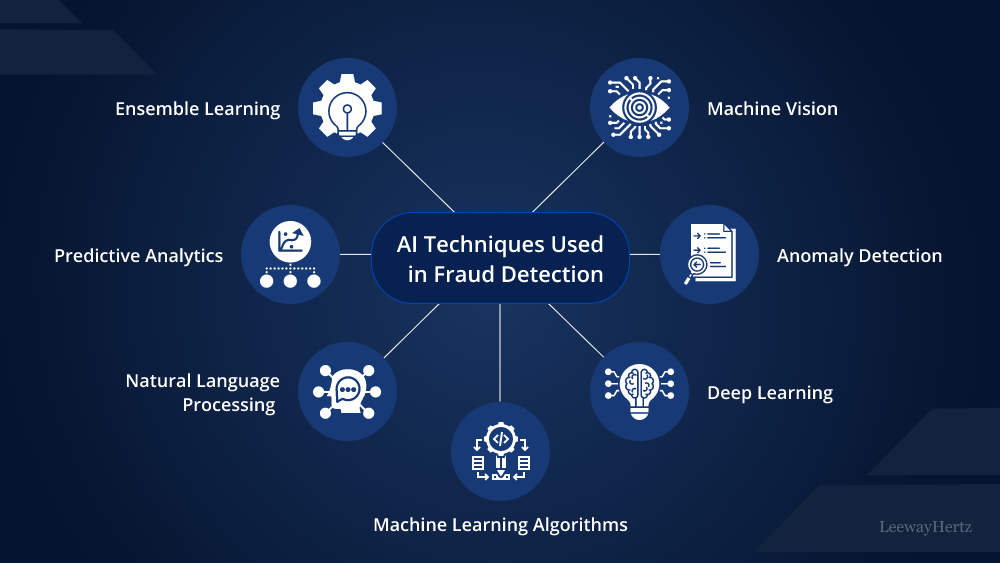





 Development Consulting