In the rapidly evolving landscape of technology, Artificial Intelligence (AI) has emerged as a transformative force, reshaping various industries and business processes. One such area where AI is making a significant impact is in knowledge management. As organizations grapple with the vast amounts of data at their disposal, implementing AI for knowledge management becomes imperative for efficient decision-making, innovation, and overall business success.
The Current State of Knowledge Management
Traditional knowledge management systems have long relied on human input, manual categorization, and search algorithms to organize and retrieve information. However, as data continues to grow exponentially, these conventional approaches are proving to be insufficient. This is where AI steps in, offering a dynamic and adaptive solution to the challenges of knowledge management.
AI in Knowledge Management
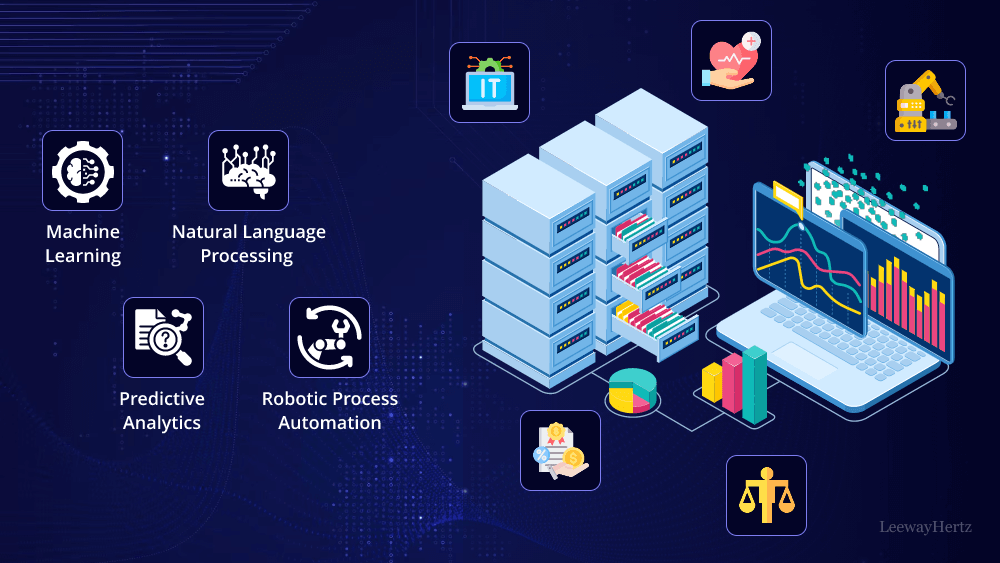
AI is revolutionizing knowledge management by introducing automation, intelligent search capabilities, and data analytics. Leverage AI for knowledge management, and organizations can enhance productivity, streamline workflows, and extract valuable insights from their data repositories. Here are key ways in which AI is transforming knowledge management:
Automated Content Curation: AI algorithms excel at understanding patterns and relationships within data. By implementing AI-driven content curation, organizations can automatically categorize and tag information, making it easier for employees to access relevant data swiftly. This automation reduces the burden on human resources and ensures that knowledge repositories remain organized and up-to-date.
Intelligent Search and Retrieval: Traditional search engines often return results based on keyword matching, which may lead to irrelevant or incomplete information. AI-powered search engines, on the other hand, employ natural language processing and machine learning algorithms to understand context and user intent. This results in more accurate and contextually relevant search results, saving time and improving the overall user experience.
Predictive Analytics for Decision-Making: AI’s predictive analytics capabilities enable organizations to make informed decisions based on historical data and trends. By analyzing patterns in user behavior, content consumption, and other relevant metrics, AI can anticipate future needs, helping businesses stay ahead of the curve and make strategic decisions that drive success.
Knowledge Discovery and Insights: AI can sift through vast amounts of unstructured data to uncover hidden insights and trends. This knowledge discovery process goes beyond what human-driven analysis can achieve, providing organizations with a deeper understanding of their data and revealing opportunities for innovation and improvement.
Personalized Learning and Development: AI can tailor learning and development programs to individual employees based on their roles, skills, and performance. This personalized approach ensures that employees receive relevant and targeted training, fostering continuous improvement and skill development across the organization.
Conclusion
As organizations continue to grapple with the challenges of managing vast amounts of data, the role of AI in knowledge management becomes increasingly crucial. The implementation of AI-driven solutions, as exemplified by companies like LeewayHertz, showcases the transformative power of AI in streamlining processes, enhancing decision-making, and driving overall business success.
AI is not merely a technological advancement; it is a strategic enabler that empowers organizations to harness the full potential of their data. By embracing AI for knowledge management, businesses can stay competitive in today’s fast-paced digital landscape, unlocking new opportunities for innovation and growth. As we look toward the future, the integration of AI in knowledge management will undoubtedly continue to evolve, shaping the way organizations capture, organize, and leverage knowledge for years to come.
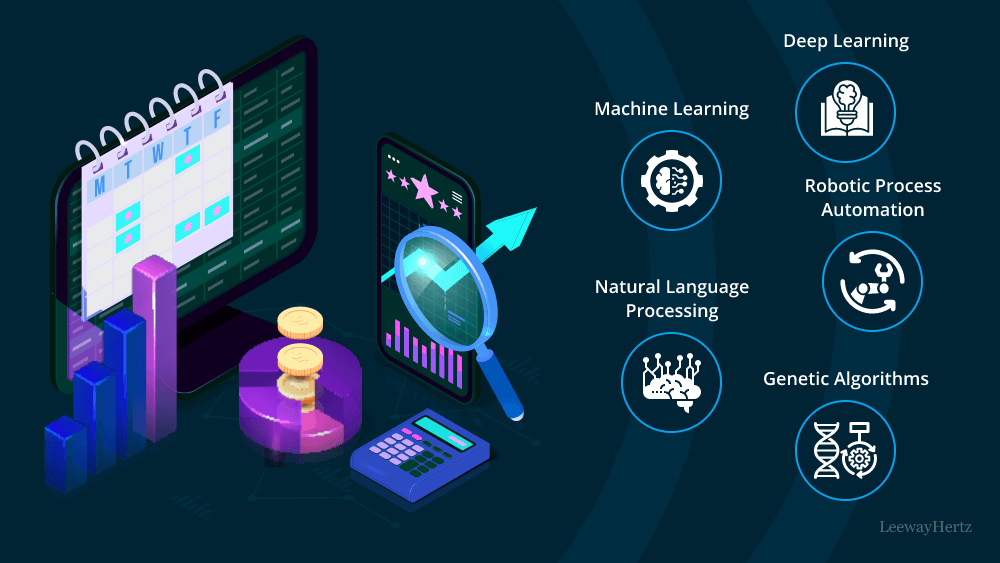
In the dynamic landscape of finance, Artificial Intelligence (AI) has emerged as a transformative force, reshaping traditional practices and introducing unprecedented efficiencies. This paradigm shift is particularly evident in the realms of accounting and auditing, where AI technologies are revolutionizing how financial data is processed, analyzed, and audited. This article delves into the profound impact of AI in accounting and auditing, exploring the benefits, challenges, and the way forward for these crucial functions in the finance industry.
The Role of AI in Accounting
Accounting, often viewed as the backbone of any organization, involves meticulous record-keeping, financial analysis, and compliance. AI is streamlining these processes by automating routine tasks, minimizing errors, and enhancing overall efficiency.
One of the key areas where AI is making significant inroads is data entry. Manual data entry is time-consuming and prone to errors, leading to discrepancies in financial records. AI-powered tools, such as optical character recognition (OCR) and machine learning algorithms, automate data entry processes, reducing the risk of human error and freeing up valuable time for finance professionals.
Furthermore, AI plays a pivotal role in financial analysis by processing vast amounts of data at unprecedented speeds. AI algorithms can analyze historical financial data, identify patterns, and generate predictive insights, empowering organizations to make informed financial decisions. This capability is particularly valuable in budgeting, forecasting, and risk management.
The advent of AI in accounting also facilitates real-time financial reporting. Automated systems can generate up-to-the-minute financial reports, providing stakeholders with accurate and timely information for decision-making. This real-time reporting not only enhances transparency but also enables organizations to respond quickly to changing market conditions.
AI in Auditing
Auditing, a critical function in ensuring financial integrity and compliance, has traditionally been a labor-intensive process. AI is revolutionizing auditing practices by automating routine audit tasks, enhancing accuracy, and enabling auditors to focus on more complex analyses.
One significant application of AI in auditing is the use of advanced analytics to detect anomalies and potential fraud. Machine learning algorithms can analyze large datasets, identify irregular patterns, and flag transactions that deviate from established norms. This proactive approach to fraud detection strengthens the overall integrity of financial statements.
Moreover, AI-powered tools are improving the audit trail. By leveraging blockchain technology, audits become more transparent and traceable. Every transaction recorded on a blockchain is immutable and timestamped, providing auditors with a secure and verifiable trail of financial transactions. This not only reduces the risk of fraud but also expedites the audit process.
The Challenges of Implementing AI in Accounting and Auditing
While the benefits of AI in accounting and auditing are undeniable, organizations face certain challenges when implementing these technologies. One major concern is the need for skilled professionals who can navigate and harness the power of AI tools. The finance industry must invest in training programs to ensure that accountants and auditors are equipped with the necessary skills to leverage AI effectively.
Data security is another critical challenge. With the increasing reliance on AI, organizations must prioritize the protection of sensitive financial data. Robust cybersecurity measures and compliance with data protection regulations are essential to mitigate the risks associated with AI implementation.
Furthermore, there is a need for standardized frameworks and regulations governing the use of AI in accounting and auditing. Clear guidelines will help ensure ethical AI practices, address potential biases, and foster trust in the reliability of AI-generated financial information.
Conclusion
As AI continues to evolve, its role in accounting and auditing will undoubtedly expand. To harness the full potential of AI, organizations should adopt a strategic approach to implementation. This involves investing in cutting-edge technologies, providing ongoing training for finance professionals, and prioritizing data security.
Collaboration between the finance industry and technology providers is crucial for developing AI solutions that address the unique challenges of accounting and auditing. Open communication channels and partnerships will contribute to the creation of more robust and effective AI tools tailored to the specific needs of the finance sector.
The integration of AI in accounting and auditing marks a transformative shift in the finance industry. As organizations embrace these technologies, they stand to gain enhanced efficiency, improved accuracy, and a strengthened ability to navigate the complexities of modern finance. By addressing the challenges and embracing the opportunities presented by AI, the future of accounting and auditing is poised for unprecedented innovation and advancement.
In the rapidly evolving landscape of technology, Artificial Intelligence (AI) is emerging as a transformative force, revolutionizing the way we approach software development. AI-driven development, also known as AI-driven software development or AI-powered development, is gaining prominence as organizations seek to harness the potential of intelligent systems to streamline processes, enhance efficiency, and propel innovation. In this article, we delve into the nuances of AI-driven development and explore how it is reshaping the future of software engineering.
The Essence of AI-Driven Development
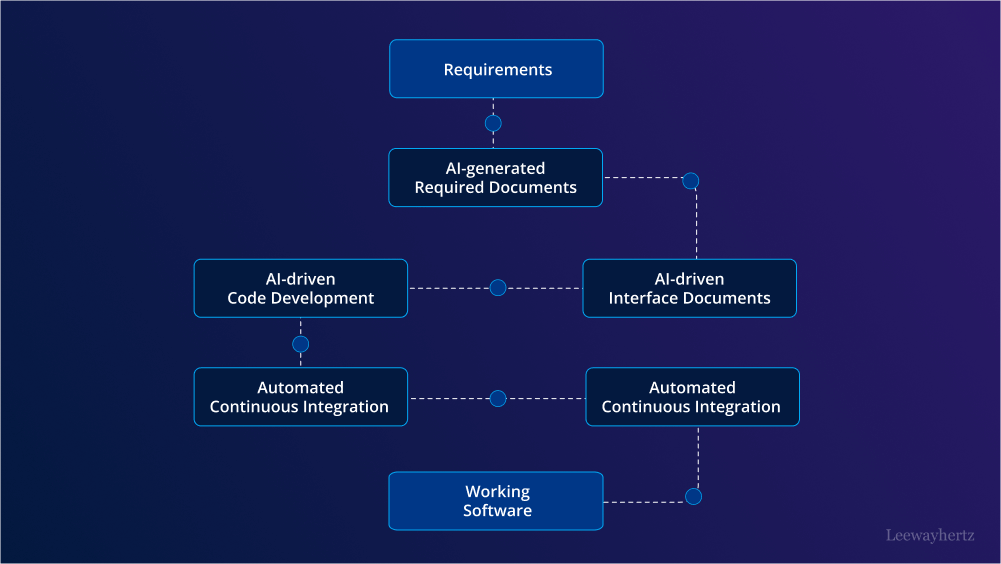
At the heart of AI-driven development lies the integration of artificial intelligence into the software development lifecycle. This approach goes beyond traditional programming, allowing machines to learn from data, adapt to changing scenarios, and make informed decisions. The objective is to empower developers with tools and frameworks that leverage machine learning, natural language processing, and other AI technologies to enhance the development process.
The Key Components of AI-Driven Development
Machine Learning Algorithms: In AI-driven development, machine learning algorithms take center stage. These algorithms analyze vast datasets, recognize patterns, and make predictions or decisions without explicit programming. Developers can utilize pre-built models or train custom models based on specific project requirements, opening up new possibilities for creating intelligent applications.
Natural Language Processing (NLP): NLP plays a pivotal role in enabling machines to understand and interpret human language. By incorporating NLP into the development process, applications can interact seamlessly with users, understand user queries, and respond in a human-like manner. This fosters the development of more intuitive and user-friendly software.
Predictive Analytics: Predictive analytics, powered by AI, allows developers to forecast future trends and behaviors based on historical data. This capability is invaluable for making data-driven decisions, optimizing resource allocation, and anticipating potential issues in the development lifecycle.
Automated Testing and Quality Assurance: AI-driven development introduces intelligent automation in testing and quality assurance processes. AI algorithms can identify patterns of defects, predict potential issues, and even generate test cases autonomously. This not only accelerates the testing phase but also improves the overall reliability and robustness of software.
The Impact on Software Development Lifecycle
The adoption of AI-driven development is reshaping the traditional software development lifecycle, introducing efficiency gains and accelerating time-to-market. Let’s explore how AI influences each phase of the development process:
Requirements Gathering: AI facilitates more effective requirements gathering by analyzing user feedback, social media sentiments, and market trends. Natural Language Processing aids in understanding user needs, helping developers refine project specifications and align them with user expectations.
Coding and Development: Developers can leverage AI to automate repetitive coding tasks, speeding up the development process. Code completion suggestions, error detection, and even code generation are enhanced through machine learning, allowing programmers to focus on high-level design and problem-solving.
Testing and Quality Assurance: AI-driven testing enables comprehensive test coverage by autonomously generating test cases and identifying potential vulnerabilities. This not only accelerates the testing phase but also improves the accuracy of defect detection, leading to more robust and reliable software.
Deployment and Maintenance: AI continues to play a crucial role post-deployment. Monitoring applications in real-time, predicting potential issues, and autonomously addressing them contribute to enhanced system stability. Automated updates and maintenance tasks further streamline ongoing support and improve user experiences.
AI-Driven Development in Action
One exemplary implementation of AI-driven development is evident in the healthcare industry. Applications powered by AI are transforming patient care, diagnostics, and drug discovery. Machine learning algorithms analyze patient data to predict disease outcomes, recommend personalized treatment plans, and contribute to the development of novel therapies.
Furthermore, in the realm of finance, AI-driven development is revolutionizing fraud detection, risk management, and customer service. Predictive analytics models analyze financial data to identify anomalies, while chatbots powered by natural language processing enhance customer interactions, providing personalized financial advice.
The Future of AI-Driven Development
As we stand on the cusp of a new era in software engineering, the future of AI-driven development looks exceedingly promising. The continuous advancements in AI technologies, coupled with the growing availability of AI development tools, are democratizing the adoption of AI across industries.
However, challenges such as ethical considerations, data privacy concerns, and the need for skilled AI developers must be addressed to unlock the full potential of AI-driven development. Organizations that invest in AI talent, foster a culture of innovation, and prioritize ethical AI practices will be at the forefront of this technological revolution.
Conclusion
AI-driven development is not merely a trend but a fundamental shift in how we conceive, design, and build software. The integration of artificial intelligence into the software development lifecycle enhances efficiency, accelerates innovation, and propels organizations into a future where intelligent systems are at the core of technological advancements. As we navigate this transformative journey, the collaboration between human ingenuity and artificial intelligence will undoubtedly shape the future of software development. Embracing the power of AI-driven development is not just a choice but a strategic imperative for those who aspire to lead in the digital age.
In the fast-paced world of business, staying ahead of the competition requires a deep understanding of market trends, consumer behavior, and emerging opportunities. Thanks to advancements in technology, particularly Artificial Intelligence (AI), market research has undergone a transformative evolution. This article explores the dynamic landscape of AI in market research, delving into the nuances of how AI is shaping the industry and redefining the way businesses make informed decisions.
AI in Market Research
Gone are the days of manual data collection and analysis in market research. AI has ushered in a new era by automating and enhancing various aspects of the research process. The convergence of AI algorithms, machine learning, and big data analytics has enabled businesses to gain unprecedented insights into consumer preferences, market trends, and competitive landscapes.
The Role of AI in Market Research
Data Processing and AnalysisOne of the primary contributions of AI in market research is its ability to process vast amounts of data at an unprecedented speed. Traditional methods often struggle to handle the sheer volume of information available, leading to delays and incomplete analyses. AI-driven tools, on the other hand, excel in processing data from diverse sources, extracting relevant insights, and presenting them in a comprehensible format.AI algorithms can identify patterns, correlations, and trends that may elude human analysts, providing a more nuanced understanding of market dynamics. This not only accelerates the research process but also ensures a higher level of accuracy in decision-making.
Predictive AnalyticsAI-driven market research goes beyond historical data analysis. Predictive analytics, powered by AI algorithms, enables businesses to forecast future market trends and consumer behavior with a high degree of accuracy. By analyzing past data and identifying patterns, AI can predict potential shifts in demand, helping businesses proactively adapt their strategies.This predictive capability is particularly valuable in a rapidly changing business environment, allowing companies to stay ahead of market fluctuations and capitalize on emerging opportunities.
Consumer Insights and Sentiment AnalysisUnderstanding consumer behavior is critical for businesses to tailor their products and marketing strategies effectively. AI excels in sentiment analysis, processing vast amounts of social media, customer reviews, and online discussions to gauge consumer opinions and preferences.By analyzing the sentiment behind consumer interactions, businesses can not only identify areas for improvement but also gain insights into emerging trends and potential product innovations. This real-time feedback loop enables agile decision-making and helps companies stay attuned to the ever-evolving needs of their target audience.
Personalized Marketing StrategiesAI facilitates the creation of highly targeted and personalized marketing campaigns. By analyzing individual consumer preferences and behaviors, AI algorithms can recommend products, services, and content that are more likely to resonate with specific segments of the audience.This level of personalization enhances the overall customer experience, increases engagement, and contributes to higher conversion rates. AI-driven market research enables businesses to craft marketing strategies that are not only efficient but also more customer-centric.
Challenges and Ethical Considerations
While the integration of AI in market research brings about numerous benefits, it is not without its challenges. Privacy concerns, ethical considerations, and the potential for bias in algorithms are areas that require careful attention.
Privacy Concerns:The collection and analysis of vast amounts of personal data raise legitimate privacy concerns. It is essential for businesses to prioritize data security and adopt transparent practices in handling consumer information. Striking the right balance between data-driven insights and respecting individual privacy is crucial for the ethical use of AI in market research.
Ethical Considerations:The ethical implications of AI in market research extend beyond data privacy. Issues such as consent, the responsible use of AI, and the potential impact on employment should be addressed by businesses and regulatory bodies. Establishing ethical guidelines for the deployment of AI ensures that technology is harnessed for the greater good without compromising societal values.
Bias in Algorithms:AI algorithms are only as unbiased as the data they are trained on. If the training data contains biases, the algorithms can inadvertently perpetuate and amplify those biases. It is imperative for businesses to regularly audit and refine AI models to minimize bias and ensure fair and equitable outcomes.
The Future of AI-Driven Market Research
As technology continues to advance, the future of AI in market research looks promising. Here are some key trends and developments that are likely to shape the landscape:
Advanced Natural Language Processing (NLP):Improvements in Natural Language Processing will enhance the ability of AI systems to understand and interpret human language. This will enable more sophisticated sentiment analysis, allowing businesses to gain deeper insights into consumer opinions and emotions.
Integration of AI with IoT (Internet of Things):The proliferation of IoT devices will provide an even larger pool of data for AI to analyze. This integration will enable businesses to gather real-time information on consumer behavior, product usage, and market trends, further refining their decision-making processes.
AI-Powered Virtual Assistants for Research:Virtual assistants powered by AI will play an integral role in market research, automating routine tasks, answering queries, and providing instant access to relevant information. This will not only increase the efficiency of research processes but also empower researchers with on-demand insights.
Enhanced Predictive Modeling:AI’s predictive modeling capabilities will continue to evolve, allowing businesses to anticipate market trends and consumer behavior with even greater accuracy. This will be instrumental in strategic planning and risk management.
Conclusion
The integration of AI in market research marks a paradigm shift in the way businesses understand, analyze, and respond to market dynamics. From data processing and predictive analytics to personalized marketing strategies, AI-driven market research offers a plethora of opportunities for businesses to gain a competitive edge.
However, as the industry embraces these technological advancements, it is crucial to address ethical considerations and ensure responsible and transparent use of AI. By navigating these challenges, businesses can unlock the full potential of AI in market research and pave the way for a future where data-driven insights drive innovation and growth.
Welcome to the forefront of technology, where artificial intelligence seamlessly integrates with app development. In this in-depth guide, we’ll navigate the intricate process of building an app with ChatGPT, a transformative approach that elevates user interactions and experiences to unprecedented levels.
Unveiling the Power of ChatGPT
Before diving into the development intricacies, let’s dissect what makes ChatGPT a formidable force. Beyond its natural language processing capabilities, ChatGPT’s contextual understanding redefines user engagement, promising a more human-like interaction.
Preliminary Considerations
Define Your App’s Purpose: Articulate the objectives and functionalities clearly, exploring how ChatGPT can enhance user experiences.
User Engagement Strategies: Investigate how ChatGPT integration can bolster user engagement, creating a more immersive and satisfying app environment.
A Comprehensive Guide on Building an App with ChatGPT
3.1. Setting Up Your Development Environment Ensure a robust development environment, paving the way for seamless ChatGPT integration.
3.2. Choose the Right Framework Evaluate compatible frameworks and choose one aligned with your app’s requirements, influencing performance and scalability.
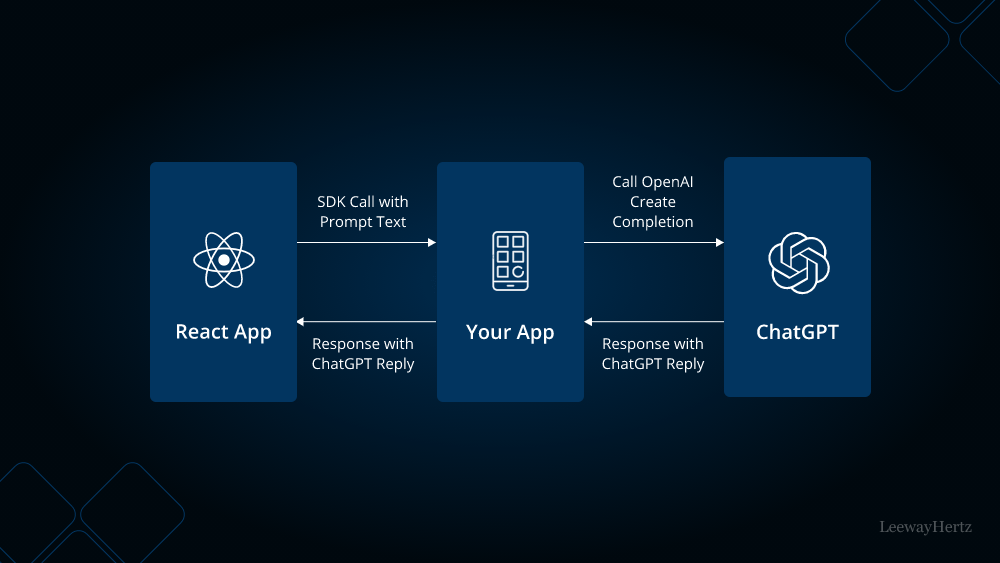
3.3. API Integration Integrate ChatGPT’s API to unleash its natural language understanding power, crafting dynamic conversational experiences.
Best Practices in Building with ChatGPT
Crafting Natural Conversations: Design authentic interactions for a fluid and engaging user experience.
Platform Optimization: Tailor your app for various platforms, optimizing UI and ChatGPT interactions seamlessly.
Trobleshooting and Optimization Techniques
Explore common challenges and discover strategies to optimize app performance, from handling user queries to refining conversation flows.
Real-world Applications and Case Studies
Dive into successful integrations, learning from experiences to ensure your app excels in the competitive landscape.
Conclusion
Embarking on the journey to build an app with ChatGPT requires a strategic blend of technical prowess and user-centric design. By understanding ChatGPT’s power, defining your app’s purpose, and implementing best practices, you are poised for success in creating a cutting-edge application. This guide serves as your compass in navigating the evolving landscape of AI-driven app development. Stay innovative, adapt to emerging trends, and witness your app thrive in the ever-evolving digital realm.
In the dynamic landscape of artificial intelligence, ChatGPT has emerged as a powerful tool, reshaping the way developers approach conversational applications. The demand for skilled ChatGPT developers is on the rise, and understanding the nuances of this technology is crucial. In this blog post, we’ll delve into the world of ChatGPT developers, exploring their expertise, the impact on conversational AI, and how businesses can benefit from their proficiency.
The Role of ChatGPT Developers
ChatGPT developers play a pivotal role in leveraging OpenAI’s language model for creating conversational applications. These professionals possess a unique skill set that combines programming expertise with a deep understanding of natural language processing (NLP). They are adept at fine-tuning models, ensuring optimal performance, and navigating the intricacies of generating human-like responses.
Key Skills of ChatGPT Developers
NLP Proficiency: ChatGPT developers excel in natural language processing, enabling them to comprehend and manipulate human language effectively. This skill is fundamental in crafting conversational agents that resonate with users.
Programming Expertise: A strong foundation in programming languages, such as Python, is essential for ChatGPT developers. This proficiency enables them to integrate the language model into diverse applications seamlessly.
Model Fine-Tuning: Successful ChatGPT developers are skilled in the fine-tuning process, adapting the base model to suit specific use cases. This customization ensures that the AI responds accurately and aligns with the desired conversational tone.
How ChatGPT Developers Enhance Conversational AI
Improved User Engagement: With the expertise of ChatGPT developers, conversational applications become more engaging and user-friendly. The ability to understand context and provide relevant responses enhances the overall user experience.
Efficient Problem-Solving: ChatGPT developers create AI models capable of effective problem-solving through natural language interactions. This is particularly valuable in customer support and other domains where quick, accurate responses are crucial.
Adaptability to Industries: The versatility of ChatGPT developers allows them to apply their skills across various industries. From healthcare to finance, these professionals tailor conversational AI solutions to meet the specific needs of diverse sectors.
Benefits of Collaborating with ChatGPT Developers
Innovative Solutions: Partnering with ChatGPT developers unlocks the potential for innovative solutions. These experts bring creativity to the development process, pushing the boundaries of what conversational AI can achieve.
Time and Cost Efficiency: Leveraging the expertise of ChatGPT developers streamlines the development cycle, saving both time and costs. Their proficiency ensures efficient implementation and reduces the need for extensive manual intervention.
Scalability: ChatGPT developers design applications with scalability in mind, allowing businesses to seamlessly expand their conversational AI capabilities as user demands grow.
Conclusion
In the realm of conversational AI, ChatGPT developers stand as architects of innovation. Their unique blend of natural language processing expertise and programming skills empowers businesses to create engaging, efficient, and scalable conversational applications. As the demand for such capabilities continues to grow, collaborating with ChatGPT developers becomes a strategic move for enterprises seeking to stay ahead in the evolving landscape of AI-driven interactions.
In the ever-evolving landscape of digital marketing, Artificial Intelligence (AI) has emerged as a game-changer for content creation. This transformative technology streamlines the creative process, enabling businesses to produce compelling and relevant content efficiently. In this blog post, we’ll explore the impact of AI on content creation and how businesses can leverage its capabilities to stay ahead in the competitive online space.
The Rise of AI in Content Creation
AI has transcended its initial role in automating repetitive tasks and has now become an integral part of content creation. From generating engaging blog posts to crafting persuasive product descriptions, AI algorithms are reshaping the way we approach content production.
The Benefits of Integrating AI into Content Creation
Efficiency and Productivity: Embracing AI in content creation significantly enhances efficiency. Automated tools can handle mundane tasks, allowing content creators to focus on more strategic aspects of their work. This leads to increased productivity and a faster turnaround for content delivery.Keywords: AI efficiency, automated content creation, increased productivity
Enhanced Personalization: AI algorithms analyze user behavior and preferences, enabling businesses to tailor content to individual needs. Personalized content fosters stronger connections with the audience, leading to higher engagement and conversion rates.Keywords: AI personalization, personalized content, audience engagement
Improved SEO Performance: AI-driven content creation tools are designed to align with SEO best practices. By incorporating relevant keywords and optimizing content structure, businesses can improve their search engine rankings and attract a larger, more targeted audience.Keywords: AI and SEO, SEO-friendly content, optimizing content for search engines
Guidelines for Implementing AI in Content Creation
Natural Language Processing (NLP): Utilize AI-powered tools that leverage NLP to understand and mimic human language. This ensures that the generated content reads naturally and resonates with the intended audience.Keywords: NLP in content creation, natural-sounding content, AI and human language
Strategic Keyword Placement: Identify and incorporate relevant keywords naturally throughout the content. Strategic keyword placement enhances search engine visibility without compromising the flow and readability of the material.Keywords: Strategic keyword placement, natural keyword integration, optimizing keyword usage
Continuous Monitoring and Adaptation: Stay abreast of AI advancements and update content creation strategies accordingly. Continuous monitoring allows businesses to adapt to changing trends and ensure that their content remains fresh and relevant.Keywords: Adapting to AI advancements, continuous content improvement, staying relevant with AI
Conclusion
As we navigate the digital era, harnessing the power of AI for content creation is no longer a choice but a necessity. By embracing AI-driven tools strategically, businesses can unlock new levels of efficiency, personalize their content, and optimize for improved SEO performance. The future of content creation is here, and those who leverage AI will undoubtedly lead the way in delivering valuable, engaging, and relevant content to their audiences.
In the rapidly evolving landscape of technology, Conversational AI has emerged as a transformative force, reshaping the way we interact with machines and enhancing the user experience across various applications. This innovative technology, driven by natural language processing and machine learning, has transcended traditional boundaries, paving the way for more intuitive and engaging human-computer interactions.
The Rise of Conversational AI
Conversational AI, at its core, involves the development of intelligent systems that can understand, interpret, and respond to human language. This paradigm shift has been fueled by advancements in machine learning algorithms, allowing computers to process and comprehend natural language patterns. As a result, we now find Conversational AI seamlessly integrated into a myriad of applications, ranging from customer support chatbots to virtual personal assistants.
Enhancing Customer Engagement
One of the primary arenas where Conversational AI has made a significant impact is in customer service. Businesses worldwide are adopting chatbots to streamline their customer support processes, providing instant responses and solutions to user queries. This not only enhances customer satisfaction but also reduces the workload on human agents, allowing them to focus on more complex and nuanced issues.
Conversational AI is adept at understanding customer intent, enabling it to guide users through troubleshooting processes, product inquiries, or even facilitate transactions. The ability to engage customers in real-time, 24/7, contributes to a more personalized and efficient service delivery, ultimately fostering brand loyalty.
Breaking Language Barriers
Conversational AI has proven instrumental in breaking down language barriers, promoting global communication. Multilingual chatbots, equipped with language processing capabilities, can interact with users in their preferred language, creating a more inclusive and accessible digital environment. This is particularly beneficial for businesses operating on a global scale, allowing them to cater to a diverse customer base with ease.
Moreover, Conversational AI has evolved beyond simple text-based interactions. Voice-activated virtual assistants, such as Siri, Alexa, and Google Assistant, have become ubiquitous in our daily lives. These assistants leverage sophisticated natural language understanding algorithms to comprehend spoken language, providing users with a hands-free and intuitive way to interact with technology.
Revolutionizing Learning and Development
In the realm of education, Conversational AI is revolutionizing the way we acquire knowledge. Intelligent tutoring systems leverage this technology to create personalized learning experiences. These systems can adapt to individual learning styles, providing targeted feedback and assistance. Students can engage in natural language conversations with virtual tutors, fostering a more interactive and dynamic learning environment.
Conversational AI also plays a crucial role in corporate training programs. Chatbots can deliver training modules, answer employee queries, and provide real-time feedback, enhancing the efficiency of training initiatives. This not only reduces the burden on human trainers but also ensures a consistent and standardized delivery of information.
The Ethical Considerations
While the benefits of Conversational AI are undeniable, ethical considerations surrounding user privacy and data security have come to the forefront. As these systems gather vast amounts of user data to improve their performance, it is imperative to establish robust safeguards to protect sensitive information. Striking a balance between innovation and ethical responsibility is crucial to ensuring the responsible development and deployment of Conversational AI technologies.
The Future of Conversational AI
Looking ahead, the future of Conversational AI appears promising. As technology continues to evolve, we can expect even more natural and human-like interactions with machines. Integrating emotional intelligence into Conversational AI systems, enabling them to understand and respond to human emotions, is a frontier that researchers are actively exploring. This could lead to more empathetic and emotionally intelligent virtual assistants, further blurring the lines between man and machine.
Conclusion
Conversational AI has emerged as a transformative force, reshaping the way we communicate with technology. From customer service to education, its applications are diverse and continually expanding. As we navigate the ever-evolving landscape of technology, it is essential to embrace the potential of Conversational AI while remaining vigilant about ethical considerations. The journey towards more intuitive and human-like interactions is underway, promising a future where technology seamlessly integrates into our lives, enhancing the way we connect and engage with the digital world.
In the ever-evolving landscape of artificial intelligence and natural language processing, ChatGPT developers play a pivotal role in shaping the future of chatbot applications. As the demand for intelligent conversational agents continues to surge, businesses are seeking the expertise of ChatGPT development companies to create innovative and personalized chatbot solutions. In this article, we will explore the world of ChatGPT developers, the role they play in chatbot application development, and the services they offer to drive businesses forward.
The Rise of ChatGPT Developers
The advent of GPT-3, developed by OpenAI, marked a significant breakthrough in the field of natural language processing. GPT-3, short for “Generative Pre-trained Transformer 3,” introduced a language model capable of generating human-like text based on the input it receives. This innovation paved the way for the emergence of ChatGPT developers, who leverage this technology to craft chatbot applications that offer dynamic and engaging conversations.
ChatGPT developers are a diverse group of professionals with expertise in machine learning, deep learning, and natural language processing. They possess the knowledge and skills required to harness the capabilities of GPT-3, ensuring that chatbots created are not only functional but also exhibit human-like conversational abilities. These developers are at the forefront of driving the chatbot industry, and their impact is being felt across various sectors, from customer support and e-commerce to healthcare and education.
ChatGPT Development Companies: A Hub of Innovation
ChatGPT development companies have emerged as hubs of innovation, bringing together a collective of developers with a shared passion for AI-driven chatbot development. These companies offer a wide range of services to businesses looking to harness the potential of chatbot applications. Let’s explore the various aspects of ChatGPT development companies and how they contribute to the growth of chatbot applications.
Expertise in ChatGPT Development
ChatGPT development companies employ teams of highly skilled developers who are well-versed in the intricacies of GPT-3 and its predecessors. Their expertise in machine learning and natural language processing enables them to create chatbots that not only understand and respond to user queries but also provide meaningful and contextually relevant interactions.
Tailored Chatbot Solutions
One of the key strengths of ChatGPT development companies is their ability to tailor chatbot solutions to meet specific business needs. They work closely with clients to understand their requirements, whether it’s for customer support, sales, or information dissemination. With this information in hand, ChatGPT developers craft chatbots that align with the client’s goals, ensuring a seamless user experience.
Integration Capabilities
ChatGPT developers understand the importance of integration in today’s interconnected digital landscape. They have the skills to integrate chatbots with various platforms, including websites, mobile apps, and messaging services. This versatility allows businesses to engage with their customers on the platforms they prefer, enhancing user accessibility and convenience.
Continuous Improvement
The dynamic nature of AI and natural language processing demands continuous improvement. ChatGPT development companies are committed to refining chatbot applications to keep them relevant and efficient. They analyze user interactions and feedback to make necessary adjustments, ensuring that chatbots evolve and adapt to changing customer needs.
Compliance and Security
Privacy and data security are paramount in chatbot development. ChatGPT developers are well-versed in data protection regulations and implement robust security measures to safeguard user information. This commitment to compliance and security instills trust in both businesses and end-users.
The Services of ChatGPT Development Companies
ChatGPT development companies offer a range of services designed to meet the diverse needs of businesses across industries. Let’s delve into some of the key services provided by these companies:
1. ChatGPT Application Development
ChatGPT development companies specialize in creating chatbot applications that are intelligent, interactive, and user-friendly. These applications can be deployed for a variety of purposes, such as virtual customer support agents, virtual assistants, or even as educational tools.
2. Natural Language Processing (NLP) Integration
NLP is the core technology that empowers chatbots to understand and generate human-like text. ChatGPT developers have a deep understanding of NLP and can seamlessly integrate it into chatbot applications. This integration ensures that chatbots can process and respond to user queries with a high degree of accuracy.
3. Customized Chatbot Training
ChatGPT development companies offer customized training for chatbots to improve their conversational abilities. This training involves fine-tuning the chatbot’s responses to align with a particular business’s tone, style, and industry-specific knowledge.
4. Multi-Platform Deployment
ChatGPT developers are proficient in deploying chatbots on multiple platforms, including websites, mobile apps, and messaging applications like WhatsApp and Facebook Messenger. This multi-platform capability ensures that chatbots can reach a wider audience.
5. Continuous Support and Maintenance
The journey of chatbot development doesn’t end with deployment. ChatGPT development companies provide ongoing support and maintenance to ensure that chatbots function smoothly, remain up-to-date, and adapt to evolving user needs.
The Impact of ChatGPT Developers in Various Industries
ChatGPT developers are making waves across various industries by revolutionizing the way businesses interact with their customers and stakeholders. Let’s explore some of the key sectors where ChatGPT applications development services have had a significant impact:
1. E-Commerce
In the world of e-commerce, chatbots have become invaluable tools for providing real-time customer support, answering product inquiries, and even assisting with the shopping process. ChatGPT developers have played a vital role in enhancing the user experience and driving sales in the e-commerce sector.
2. Healthcare
Chatbots have become indispensable in the healthcare industry by providing patient information, appointment scheduling, and even remote diagnostic assistance. ChatGPT development companies have contributed to improved patient engagement and the efficient management of healthcare services.
3. Education
The education sector has witnessed a transformation with the integration of chatbots in virtual classrooms and e-learning platforms. ChatGPT developers have enabled educational institutions to offer personalized assistance to students, answer queries, and provide a more interactive learning experience.
4. Customer Service
The customer service industry has been revolutionized by chatbots capable of handling a wide range of inquiries and issues. ChatGPT developers have elevated the quality of customer interactions, reducing response times and improving customer satisfaction.
5. Finance
In the finance sector, chatbots have proven their worth by offering financial advice, assisting with account management, and even helping users make investment decisions. ChatGPT developers have contributed to the creation of financial chatbots that offer valuable insights and assistance.
The Future of ChatGPT Development
The future of ChatGPT development is filled with exciting possibilities. As the technology continues to advance, we can expect even more sophisticated chatbots that understand context, emotions, and intent with higher precision. Here are some key trends to watch for in the field of ChatGPT development:
1. Multilingual Chatbots
ChatGPT developers are working on creating chatbots capable of conversing in multiple languages, expanding their global reach and accessibility.
2. Emotional Intelligence
Future chatbots will be better equipped to recognize and respond to human emotions, enhancing their ability to provide empathetic and personalized interactions.
3. Enhanced Personalization
ChatGPT developers will focus on improving chatbot personalization by learning from user interactions and offering highly tailored responses.
4. Integration with IoT
Chatbots will increasingly integrate with the Internet of Things (IoT) devices, providing users with a seamless and interconnected experience.
5. Improved Security
ChatGPT developers will continue to prioritize data security and privacy, incorporating advanced encryption and authentication measures.
Conclusion
ChatGPT developers are at the forefront of the chatbot revolution, driving innovation and delivering valuable solutions across various industries. As businesses increasingly recognize the importance of chatbot applications, the demand for expert ChatGPT development services continues to grow.
ChatGPT development companies offer a wide range of services, from customized chatbot development to NLP integration and continuous support. Their impact on e-commerce, healthcare, education, customer service, and finance is evident, as chatbots enhance user experiences and streamline operations in these sectors.
With a bright future ahead, the world of ChatGPT development promises even more advanced and intelligent chatbot applications. As technology evolves, we can expect multilingual, emotionally intelligent, and highly personalized chatbots that integrate seamlessly with IoT devices while maintaining the utmost focus on data security and compliance.
In the ever-evolving landscape of artificial intelligence, one subfield has been making remarkable strides, capturing the imagination of researchers, businesses, and innovators alike – Generative Artificial Intelligence, or Generative AI for short. This groundbreaking technology has the potential to reshape industries and create entirely new possibilities, with applications spanning from healthcare to manufacturing. In this article, we embark on a journey to explore the fundamentals of Generative AI, its underlying principles, and the promise it holds for diverse sectors of the economy.
Generative AI represents a significant leap forward in the realm of machine learning. At its core, Generative AI is designed to create, mimic, or generate data that is indistinguishable from data produced by humans or real-world processes. This generation can take various forms, including text, images, audio, and even video. Unlike traditional AI systems that operate on pre-defined rules and patterns, Generative AI leverages neural networks to learn patterns from existing data and generate new, original content.
The concept of Generative AI has its roots in deep learning, a subfield of machine learning that employs artificial neural networks inspired by the human brain’s structure and functioning. Deep learning algorithms, specifically Generative Adversarial Networks (GANs) and Variational Autoencoders (VAEs), play pivotal roles in enabling the generation of realistic and coherent content.
The Mechanics of Generative AI
Generative Adversarial Networks (GANs): GANs consist of two neural networks, the generator and the discriminator, engaged in a continuous game. The generator attempts to produce data that is indistinguishable from real data, while the discriminator aims to differentiate between genuine and generated data. Over time, this adversarial process leads to the refinement of the generator’s capabilities until it generates highly convincing content.
Variational Autoencoders (VAEs): VAEs work differently from GANs but share the goal of data generation. VAEs use a probabilistic approach to learn the underlying structure of the data, allowing them to generate new data samples by sampling from a learned distribution. This method is particularly useful for tasks involving continuous data, such as images or audio.
Generative AI Applications: A Glimpse into the Future
The potential applications of Generative AI are nothing short of awe-inspiring, and they span across numerous industries. Let’s take a brief look at how Generative AI is set to disrupt and innovate in several sectors:
Healthcare
In healthcare, Generative AI is poised to revolutionize medical imaging and diagnostics. Generative models can generate synthetic medical images for training and validation, helping to bridge the data gap in medical AI. Additionally, Generative AI can assist in drug discovery by predicting the molecular structures of potential drugs, greatly accelerating the process of bringing new medicines to market.
Telecom
The telecom industry is increasingly relying on Generative AI for network optimization. By generating synthetic network data, AI can simulate various network scenarios, helping telecom providers anticipate and proactively address potential issues. Moreover, Generative AI plays a crucial role in enhancing customer experience through the generation of personalized content and recommendations.
Finance
Generative AI is becoming a game-changer in the world of finance. Algorithmic trading algorithms powered by Generative AI can analyze market data and generate trading strategies in real-time. Furthermore, AI-driven chatbots and virtual assistants are providing personalized financial advice to customers, transforming the way individuals manage their finances.
Supply Chain
Supply chain management is embracing Generative AI to optimize operations. AI models can generate forecasts for demand, helping companies allocate resources efficiently. Additionally, AI-powered routing and logistics optimization can streamline the movement of goods, reducing costs and environmental impact.
Manufacturing
Generative AI is redefining manufacturing processes by optimizing product designs and quality control. AI-generated designs can lead to innovative products with enhanced performance. In manufacturing plants, Generative AI can predict maintenance needs, reducing downtime and increasing productivity.
The Challenges and Ethical Considerations
While the potential of Generative AI is immense, it comes with its share of challenges and ethical considerations. One significant concern is the generation of fake content, which can be used for malicious purposes, including disinformation and fraud. Additionally, the ethical use of AI-generated content raises questions about privacy, bias, and accountability.
Generative AI in Healthcare: Transforming Diagnosis and Treatment
In the previous article, we introduced generative AI and its potential applications across various industries. Now, let’s dive deeper into one of the most promising fields: healthcare. Generative AI is revolutionizing the way healthcare professionals diagnose illnesses, develop treatment plans, and improve patient care. In this article, we will explore the significant impact of generative AI in healthcare, focusing on medical image generation, drug discovery, and patient data analysis.
Medical imaging plays a crucial role in diagnosing diseases and planning treatments. Generative AI has shown remarkable capabilities in generating high-quality medical images, which can be beneficial in several ways:
A. Synthetic Data Generation
Generative AI can create synthetic medical images that closely resemble real patient data. These synthetic images can be used to augment limited datasets, allowing for more extensive training of machine learning models. This leads to improved accuracy in image analysis and diagnostic tools.
B. Training Radiologists
Generative AI can assist in training radiologists and other medical professionals. It can create a vast library of diverse medical cases, including rare conditions, for educational purposes. This enables better-prepared healthcare professionals and enhances their diagnostic skills.
C. Enhancing Imaging Techniques
Generative AI can enhance existing imaging techniques. For example, it can improve the resolution and quality of magnetic resonance imaging (MRI) or computed tomography (CT) scans, leading to more precise diagnoses.
2. Drug Discovery
Discovering new drugs and treatments is a time-consuming and costly process. Generative AI has the potential to accelerate drug discovery in the following ways:
A. Compound Generation
Generative AI algorithms can design novel chemical compounds with desired properties. This can significantly speed up the drug discovery process by providing researchers with a pool of potential candidates to investigate.
B. Predicting Drug-Drug Interactions
Generative AI models can predict potential drug-drug interactions and adverse effects, helping pharmaceutical companies identify potential issues earlier in the drug development process.
C. Target Identification
Generative AI can assist in identifying new drug targets by analyzing large-scale biological data. This can lead to the development of more targeted and effective therapies.
3. Patient Data Analysis
Managing and analyzing patient data is a fundamental aspect of healthcare. Generative AI brings innovation to this domain:
A. Personalized Treatment Plans
Generative AI can analyze individual patient data, including genetic information, medical history, and lifestyle factors, to generate personalized treatment plans. This can lead to more effective and tailored healthcare interventions.
B. Predictive Analytics
Generative AI can predict disease outbreaks and patient readmissions, allowing healthcare providers to allocate resources more efficiently and intervene earlier in critical cases.
C. Natural Language Processing
Generative AI-powered natural language processing tools can extract valuable insights from unstructured clinical notes and medical literature. This aids in clinical decision support and medical research.
Challenges and Ethical Considerations
While generative AI offers immense promise in healthcare, it also comes with challenges and ethical considerations:
Data Privacy: The use of patient data for training AI models raises concerns about data privacy and security. Stricter regulations and safeguards are needed to protect patient information.
Bias and Fairness: AI models can inherit biases present in training data. Ensuring fairness in healthcare AI is essential to prevent disparities in diagnosis and treatment.
Regulatory Compliance: Healthcare AI solutions must adhere to rigorous regulatory standards to ensure patient safety and data integrity.
Interpretability: AI-generated results must be interpretable by healthcare professionals to gain their trust and acceptance.
Generative AI in Telecom: Revolutionizing Network Optimization
Generative AI, a subfield of artificial intelligence, has been making waves across various industries with its potential to automate and optimize processes. In the telecommunications sector, the application of generative AI is no exception. This article explores how generative AI is revolutionizing network optimization in the telecom industry, enhancing performance, reducing downtime, and ultimately improving the customer experience.
Telecommunication networks have evolved significantly over the years, transitioning from traditional landline systems to complex, interconnected infrastructures. Modern telecom networks consist of a myriad of components, including cell towers, switches, routers, and data centers. Managing and optimizing these networks is no small feat.
Challenges in Telecom Network Optimization
Network optimization in the telecom industry presents several challenges:
Dynamic Traffic Patterns: Telecom networks experience dynamic and unpredictable traffic patterns, with usage surges during peak hours. Network optimization must accommodate these fluctuations.
Resource Allocation: Efficiently allocating network resources, such as bandwidth and spectrum, is critical to ensure a seamless user experience.
Maintenance and Fault Detection: Identifying and rectifying network faults promptly is essential to minimize downtime and service disruptions.
Security: Telecom networks must be safeguarded against cyberattacks and data breaches, necessitating continuous monitoring and threat detection.
Generative AI has emerged as a powerful tool to address these challenges.
Applications of Generative AI in Telecom
Predictive Maintenance: One of the key applications of generative AI in telecom is predictive maintenance. By analyzing historical data and network performance metrics, generative AI models can predict when network equipment is likely to fail. This enables telecom companies to schedule maintenance proactively, reducing downtime and service disruptions.
Dynamic Resource Allocation: Generative AI can optimize the allocation of network resources in real-time. By analyzing current traffic patterns and user demand, the AI system can dynamically allocate bandwidth and spectrum to ensure efficient network usage.
Anomaly Detection: Generative AI models can identify anomalies in network traffic that may indicate cyberattacks or network faults. Rapid detection of such anomalies is crucial for network security.
Network Design and Planning: Generative AI can assist in the design and planning of telecom networks. By generating network layouts and configurations, AI can help telecom companies build more efficient and cost-effective networks.
Case Studies
Let’s examine a few case studies that highlight the real-world impact of generative AI in telecom network optimization:
Verizon’s Predictive Maintenance: Verizon, one of the largest telecom providers in the United States, has implemented generative AI for predictive maintenance. By analyzing data from thousands of cell towers, Verizon can predict equipment failures with impressive accuracy, reducing maintenance costs and minimizing service disruptions.
AT&T’s Dynamic Resource Allocation: AT&T has deployed generative AI algorithms to optimize the allocation of network resources. This has led to a significant improvement in network efficiency, particularly during peak usage hours, resulting in a better user experience for customers.
Telefónica’s Anomaly Detection: Telefónica, a global telecom operator, uses generative AI for anomaly detection. By continuously monitoring network traffic, the company can quickly identify and mitigate cyber threats, ensuring the security of its network infrastructure.
Challenges and Considerations
While generative AI offers significant benefits in telecom network optimization, it is not without challenges and considerations:
Data Privacy: Telecom companies handle vast amounts of user data, raising concerns about data privacy and security. Proper data handling and encryption are essential.
Regulatory Compliance: The telecom industry is subject to various regulations, and AI implementations must comply with these rules, including those related to customer data and network security.
Integration Complexity: Integrating generative AI into existing telecom infrastructure can be complex and require substantial investment in terms of both time and resources.
Future Outlook
The integration of generative AI into telecom network optimization is poised to continue evolving. As AI algorithms become more sophisticated and data collection methods improve, telecom companies can expect even greater benefits in terms of network efficiency, cost savings, and enhanced customer experiences.
Generative AI in Finance: Revolutionizing Investment Strategies
In the world of finance, staying ahead of the curve is paramount. Investment decisions, trading strategies, and risk management are all critical components that demand constant innovation and adaptation. Enter Generative AI, a transformative technology that is reshaping the financial landscape. In this article, we will explore how Generative AI is revolutionizing investment strategies, paving the way for more informed, data-driven decisions in the finance industry.
Generative AI, a subset of artificial intelligence, is renowned for its ability to generate content that is remarkably human-like, from text and images to entire datasets. In finance, this capability is a game-changer. Financial institutions are increasingly turning to Generative AI to streamline operations, enhance customer experiences, and, most notably, optimize investment strategies.
Algorithmic Trading Enhanced
One of the most prominent applications of Generative AI in finance is within algorithmic trading. Algorithmic trading relies on complex algorithms to execute high-frequency trades at speeds beyond human capability. Generative AI takes this a step further by improving predictive models and optimizing trading strategies.
Generative AI algorithms can analyze vast datasets, identifying intricate patterns and anomalies that may elude human traders. They can adapt in real-time to market changes and news events, making it possible to execute trades with a high degree of accuracy. Moreover, Generative AI can automate the process of trading strategy development, enabling financial institutions to explore a broader range of strategies and adapt to changing market conditions swiftly.
Risk Assessment and Management
Effective risk assessment and management are fundamental in finance. Generative AI plays a pivotal role in this domain by providing more accurate risk models and predictive analytics. It can analyze historical data, market trends, and global events to assess and predict potential risks, enabling financial institutions to make better-informed decisions.
Generative AI can also simulate different market scenarios, stress testing portfolios under various conditions. This capability helps in identifying potential vulnerabilities in investment strategies and allows for the development of strategies that are more resilient to market fluctuations.
Personalized Financial Advice
For individual investors, Generative AI is ushering in a new era of personalized financial advice. Robo-advisors, powered by Generative AI, can analyze an individual’s financial situation, goals, and risk tolerance to offer tailored investment recommendations. These recommendations are continuously updated based on changing market conditions, ensuring that the advice remains relevant and aligned with the investor’s objectives.
The advantage of personalized financial advice is that it makes professional-grade investment guidance accessible to a broader audience. It also reduces the emotional bias that can affect human decision-making during market turbulence.
Fraud Detection and Prevention
Financial fraud is a persistent threat in the industry, costing billions of dollars each year. Generative AI algorithms excel at detecting fraudulent activities by analyzing vast datasets for anomalies and suspicious patterns. They can flag potentially fraudulent transactions in real-time, enabling financial institutions to take immediate action to prevent losses.
Generative AI’s ability to adapt and learn from new fraud patterns makes it a powerful tool in the ongoing battle against financial fraud. It not only detects known fraud schemes but also has the capacity to identify emerging threats that may not yet be documented.
Regulatory Compliance
The finance industry is heavily regulated, with strict compliance requirements that must be met. Generative AI can assist financial institutions in complying with regulations by automating compliance checks and ensuring accurate and timely reporting. This reduces the risk of non-compliance, which can result in severe legal and financial consequences.
Moreover, Generative AI can aid in the interpretation of complex regulatory changes by analyzing regulatory documents and providing insights into their potential impact on business operations and investment strategies.
Challenges and Ethical Considerations
While Generative AI holds immense promise in the finance industry, it also presents challenges and ethical considerations. One concern is the potential for bias in AI algorithms, which could lead to discriminatory outcomes, particularly in lending and credit decisions. Financial institutions must be vigilant in ensuring that their AI systems are fair and transparent.
Data security is another critical concern. Generative AI systems require access to sensitive financial data, making them potential targets for cyberattacks. Robust cybersecurity measures are essential to safeguard this data.
Generative AI in Supply Chain: Revolutionizing Logistics and Operations
In our ongoing series on Generative AI, we have explored how this cutting-edge technology is transforming various industries, from healthcare to finance. In this fifth installment, we turn our attention to the world of supply chain management. The supply chain is the backbone of nearly every industry, and its efficiency has a direct impact on cost savings and customer satisfaction. Generative AI is now making significant inroads into supply chain operations, promising to revolutionize logistics, demand forecasting, and overall supply chain efficiency. In this article, we will delve into the applications, benefits, and challenges of Generative AI in the supply chain.
Before we dive into specific use cases, let’s first understand the role of Generative AI in supply chain management:
Demand Forecasting: Generative AI can analyze historical data and market trends to generate highly accurate demand forecasts. These forecasts enable businesses to optimize inventory levels, reduce stockouts, and improve overall supply chain efficiency.
Inventory Optimization: By continuously analyzing demand patterns, Generative AI can suggest optimal inventory levels and reorder points, ensuring that businesses have the right amount of stock on hand while minimizing carrying costs.
Route Planning and Optimization: Generative AI algorithms can optimize transportation routes, taking into account factors like traffic conditions, delivery time windows, and fuel efficiency. This leads to cost savings and faster deliveries.
Predictive Maintenance: In manufacturing and logistics, predictive maintenance powered by Generative AI can anticipate equipment failures and schedule maintenance proactively, reducing downtime and maintenance costs.
Supplier Relationship Management: Generative AI can help identify potential issues with suppliers by analyzing data related to quality, lead times, and other key performance indicators, ultimately improving supplier relationships.
II. Use Cases in Supply Chain Management
Now, let’s explore specific use cases where Generative AI is making a significant impact in supply chain management:
Demand Forecasting with Generative AI: We will take a deep dive into how Generative AI algorithms analyze historical sales data, external factors, and market trends to provide businesses with highly accurate demand forecasts. We’ll discuss the benefits of reducing overstock and stockouts.
Inventory Optimization: This section will explore how Generative AI continuously monitors inventory levels, adjusting reorder points in real-time. We’ll discuss case studies demonstrating significant cost savings through optimized inventory management.
Route Planning and Optimization: We’ll examine how Generative AI is transforming the logistics industry by optimizing delivery routes. Real-world examples of companies reducing fuel consumption and improving delivery times will be discussed.
Predictive Maintenance in Supply Chain: This part will focus on how Generative AI predicts equipment failures and reduces downtime in manufacturing and distribution centers. Case studies will illustrate the substantial savings achieved through proactive maintenance.
Supplier Relationship Management: We’ll explore how Generative AI is used to assess and manage supplier performance. Real-world examples will highlight how this technology helps identify and mitigate supply chain risks.
III. Benefits and Challenges
In this section, we will discuss both the advantages and potential challenges of implementing Generative AI in supply chain management:
Benefits: We will highlight the potential benefits, such as cost reduction, improved customer service, and enhanced decision-making, which arise from the use of Generative AI in the supply chain.
Challenges: Addressing concerns related to data privacy, cybersecurity, and the need for skilled personnel to implement and maintain Generative AI solutions in the supply chain.
IV. Case Studies and Real-World Examples
To provide concrete evidence of the impact of Generative AI in supply chain management, we will present several case studies and real-world examples from leading companies in various industries.
V. Future Trends and Outlook
As Generative AI continues to evolve, we will discuss the future trends and developments in supply chain management. Topics may include increased automation, improved integration with IoT devices, and the potential for AI-driven supply chain ecosystems.
Generative AI in Manufacturing: Revolutionizing Production and Quality Control
In the rapidly evolving landscape of manufacturing, the integration of cutting-edge technologies has become imperative for companies striving to remain competitive. Generative Artificial Intelligence (Generative AI) is one such technology that is making significant inroads into the manufacturing sector. This article explores how Generative AI is revolutionizing production and quality control processes, enhancing efficiency, and enabling unprecedented levels of customization and optimization in manufacturing.
Generative AI, a subset of artificial intelligence that focuses on generating new content, has found numerous applications in manufacturing. Its ability to understand and replicate patterns, coupled with its capacity for creative problem-solving, makes it an ideal candidate for enhancing various aspects of the manufacturing industry.
1. Product Design Optimization
Generative AI can assist manufacturers in product design optimization. By analyzing vast datasets and design parameters, it can generate multiple design iterations, each meeting specific criteria such as cost-efficiency, durability, and manufacturability. This iterative approach accelerates the design process and helps engineers arrive at optimal solutions more quickly.
2. Quality Control and Defect Detection
Ensuring the highest product quality is a critical aspect of manufacturing. Generative AI can be employed to enhance quality control processes. Machine learning models trained on historical data can identify defects in real-time, reducing the need for manual inspection and minimizing defects in the final product.
3. Predictive Maintenance
Generative AI can predict when machinery is likely to fail, enabling proactive maintenance. By analyzing sensor data and historical maintenance records, it can generate maintenance schedules that minimize downtime and maximize equipment lifespan.
4. Supply Chain Optimization
Efficient supply chain management is essential for manufacturing success. Generative AI can optimize supply chain logistics by generating optimal routes for transporting goods, managing inventory levels, and predicting demand fluctuations.
5. Customization at Scale
Manufacturers can use Generative AI to offer customization options to customers without compromising production efficiency. By generating customized designs and production plans, manufacturers can meet the growing demand for personalized products.
6. Energy Efficiency
Reducing energy consumption is both environmentally responsible and cost-effective. Generative AI can help optimize energy usage by generating recommendations for energy-efficient manufacturing processes and equipment.
Case Studies in Generative AI Implementation
Let’s take a closer look at a few real-world examples of how manufacturers are implementing Generative AI to transform their operations.
Case Study 1: GE Aviation
GE Aviation has embraced Generative AI to improve the design of aircraft components. By using Generative Design software, the company was able to reduce the weight of a complex aircraft bracket by 84%, while maintaining structural integrity. This not only led to significant cost savings but also reduced fuel consumption, benefiting both the company and the environment.
Case Study 2: BMW
BMW utilizes Generative AI to enhance its production processes. In one instance, the company employed AI-powered robots that can adapt to variations in car models during assembly. This level of flexibility and adaptability has enabled BMW to increase its production efficiency and adapt to changing customer demands more effectively.
Challenges and Ethical Considerations
While Generative AI offers substantial benefits to the manufacturing industry, it also presents challenges and ethical considerations that must be addressed.
Data Privacy and Security
Manufacturers must handle vast amounts of sensitive data, including intellectual property and customer information. Ensuring the security and privacy of this data is paramount, especially as Generative AI systems become more integrated into manufacturing processes.
Job Displacement
The automation of tasks through Generative AI can potentially lead to concerns about job displacement. It’s crucial for manufacturers to consider the impact on the workforce and implement strategies for upskilling and reskilling employees.
Ethical AI Use
Manufacturers must use Generative AI responsibly, avoiding biased algorithms and ensuring that AI systems do not inadvertently contribute to discriminatory or harmful outcomes.
The Future of Generative AI in Manufacturing
Generative AI is poised to play an increasingly pivotal role in manufacturing. As technology continues to advance, we can expect even more innovative applications of Generative AI, further optimizing production processes and product quality.
Conclusion
Generative AI is a transformative force across diverse industries. From healthcare to manufacturing, it demonstrates remarkable potential. In healthcare, it aids diagnosis and drug discovery. In telecom, it optimizes networks and enhances customer experiences. In finance, it refines trading strategies and fraud detection. For supply chain, it streamlines logistics and forecasting. Finally, in manufacturing, it revolutionizes design, quality control, and customization. However, as with any technological advancement, ethical considerations and challenges must be addressed. The future promises further innovation, efficiency, and customization as Generative AI continues to reshape these sectors, improving our lives and businesses.





 Development Consulting