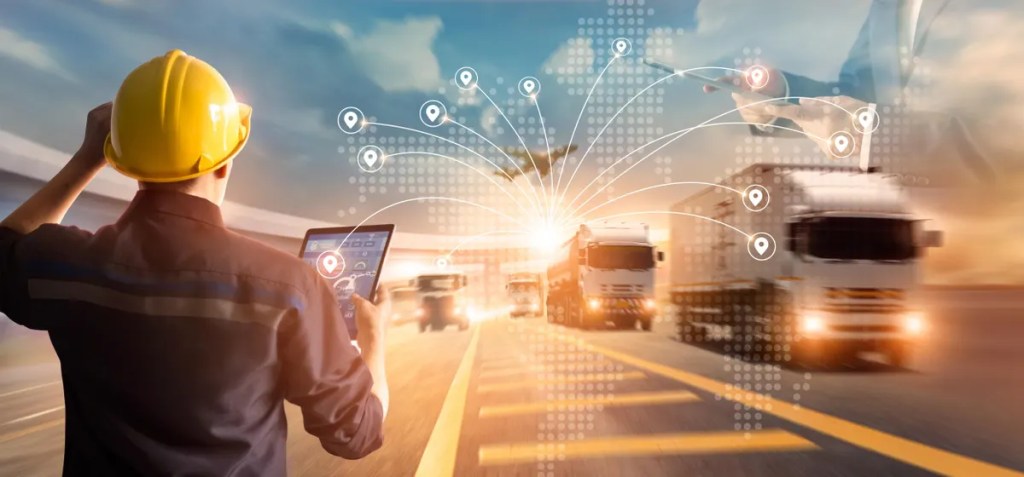
In the fast-paced realm of logistics and supply chain management, the integration of Artificial Intelligence (AI) has emerged as a game-changer, redefining operational efficiency and ushering in a new era of innovation. As businesses strive to streamline their processes and stay ahead of the competition, AI in logistics has become a pivotal tool in optimizing every facet of the supply chain. In this article, we will delve into the profound impact of AI in logistics and supply chain, exploring its benefits and how it is transforming the industry.
The Current Landscape
Traditionally, logistics and supply chain management have been intricate processes involving a myriad of components, from procurement and manufacturing to transportation and distribution. The advent of AI technology has paved the way for intelligent automation, data analytics, and machine learning algorithms that enable businesses to make informed decisions, enhance efficiency, and mitigate operational risks.
AI in Logistics: A Comprehensive Overview
AI in logistics refers to the utilization of artificial intelligence technologies to enhance and streamline various aspects of the supply chain. This includes predictive analytics, machine learning, natural language processing, and robotics. The integration of these technologies offers a comprehensive solution to the challenges faced by the logistics and supply chain industry.
Benefits of AI in Logistics
- Enhanced Predictive Analytics: AI algorithms excel in analyzing vast datasets to predict future trends and demand patterns. This predictive capability enables logistics professionals to anticipate fluctuations in demand, optimize inventory levels, and make strategic decisions to prevent stockouts or overstock situations.
- Optimized Route Planning: AI-driven route optimization algorithms help logistics companies plan the most efficient and cost-effective transportation routes. This not only reduces fuel consumption and transportation costs but also ensures timely delivery of goods, thereby improving customer satisfaction.
- Real-time Visibility: AI facilitates real-time tracking and monitoring of shipments, providing stakeholders with accurate and up-to-date information. This enhanced visibility allows for proactive issue resolution, reducing the likelihood of delays and disruptions in the supply chain.
- Warehouse Automation: AI-powered robotics and automation systems optimize warehouse operations, from inventory management to order fulfillment. Automated systems can handle repetitive tasks, such as picking and packing, with precision and speed, reducing human errors and increasing overall operational efficiency.
- Cost Reduction: By automating routine tasks, minimizing errors, and optimizing resource utilization, AI in logistics contributes to significant cost savings. The reduction in manual labor, fuel consumption, and operational errors leads to a more cost-effective supply chain ecosystem.
- Risk Management: AI can analyze historical data and external factors to identify potential risks in the supply chain. This proactive approach enables businesses to implement risk mitigation strategies and develop contingency plans, reducing the impact of unforeseen events on operations.
- Customer Experience Enhancement: The integration of AI in logistics improves customer experiences through accurate delivery estimates, real-time tracking, and personalized services. Satisfied customers are more likely to become repeat customers, fostering brand loyalty.
Case Studies and Success Stories
Several companies have already harnessed the power of AI in logistics, achieving remarkable results. Amazon, for instance, utilizes AI algorithms to optimize its delivery routes and predict customer demand, resulting in faster and more efficient deliveries. Similarly, DHL has implemented AI-driven robotics in its warehouses, reducing order processing times and enhancing overall operational efficiency.
Challenges and Future Prospects
While the benefits of AI in logistics are undeniable, the industry is not without its challenges. Implementation costs, data security concerns, and the need for skilled professionals proficient in AI technologies are some of the hurdles that companies may face. However, as technology continues to evolve, these challenges are expected to be addressed, paving the way for further advancements in the field.
Conclusion
AI in logistics and supply chain management represents a transformative force, reshaping the way businesses operate and deliver products and services. The benefits of AI, from enhanced predictive analytics to cost reduction and improved customer experiences, are driving the industry toward a more efficient and responsive future. As companies continue to invest in AI technologies, the logistics and supply chain landscape will undoubtedly undergo further innovation, setting new benchmarks for excellence and competitiveness.

 Development Consulting