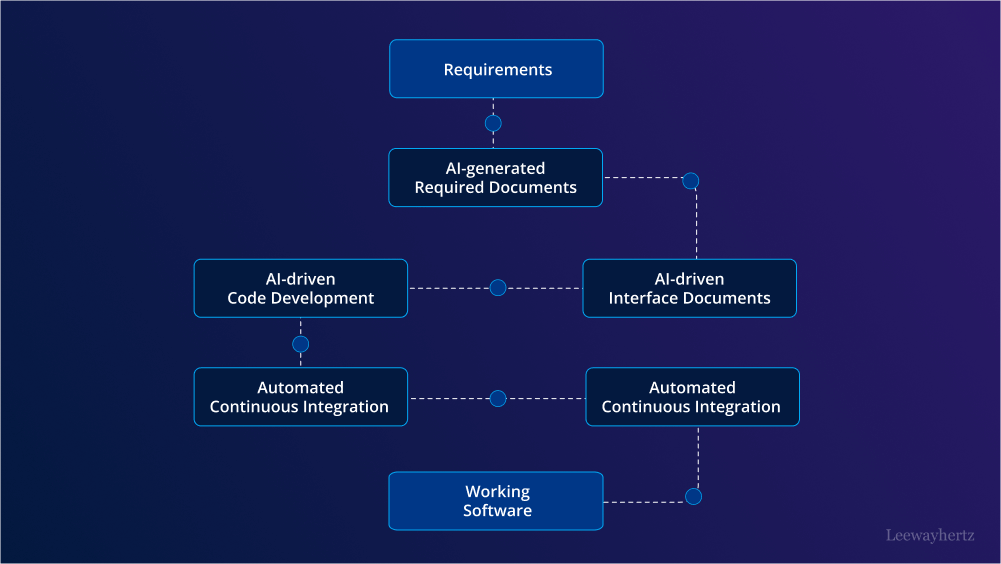
In the rapidly evolving landscape of technology, Artificial Intelligence (AI) is emerging as a transformative force, revolutionizing the way we approach software development. AI-driven development, also known as AI-driven software development or AI-powered development, is gaining prominence as organizations seek to harness the potential of intelligent systems to streamline processes, enhance efficiency, and propel innovation. In this article, we delve into the nuances of AI-driven development and explore how it is reshaping the future of software engineering.
The Essence of AI-Driven Development
At the heart of AI-driven development lies the integration of artificial intelligence into the software development lifecycle. This approach goes beyond traditional programming, allowing machines to learn from data, adapt to changing scenarios, and make informed decisions. The objective is to empower developers with tools and frameworks that leverage machine learning, natural language processing, and other AI technologies to enhance the development process.
The Key Components of AI-Driven Development
- Machine Learning Algorithms: In AI-driven development, machine learning algorithms take center stage. These algorithms analyze vast datasets, recognize patterns, and make predictions or decisions without explicit programming. Developers can utilize pre-built models or train custom models based on specific project requirements, opening up new possibilities for creating intelligent applications.
- Natural Language Processing (NLP): NLP plays a pivotal role in enabling machines to understand and interpret human language. By incorporating NLP into the development process, applications can interact seamlessly with users, understand user queries, and respond in a human-like manner. This fosters the development of more intuitive and user-friendly software.
- Predictive Analytics: Predictive analytics, powered by AI, allows developers to forecast future trends and behaviors based on historical data. This capability is invaluable for making data-driven decisions, optimizing resource allocation, and anticipating potential issues in the development lifecycle.
- Automated Testing and Quality Assurance: AI-driven development introduces intelligent automation in testing and quality assurance processes. AI algorithms can identify patterns of defects, predict potential issues, and even generate test cases autonomously. This not only accelerates the testing phase but also improves the overall reliability and robustness of software.
The Impact on Software Development Lifecycle
The adoption of AI-driven development is reshaping the traditional software development lifecycle, introducing efficiency gains and accelerating time-to-market. Let’s explore how AI influences each phase of the development process:
- Requirements Gathering: AI facilitates more effective requirements gathering by analyzing user feedback, social media sentiments, and market trends. Natural Language Processing aids in understanding user needs, helping developers refine project specifications and align them with user expectations.
- Coding and Development: Developers can leverage AI to automate repetitive coding tasks, speeding up the development process. Code completion suggestions, error detection, and even code generation are enhanced through machine learning, allowing programmers to focus on high-level design and problem-solving.
- Testing and Quality Assurance: AI-driven testing enables comprehensive test coverage by autonomously generating test cases and identifying potential vulnerabilities. This not only accelerates the testing phase but also improves the accuracy of defect detection, leading to more robust and reliable software.
- Deployment and Maintenance: AI continues to play a crucial role post-deployment. Monitoring applications in real-time, predicting potential issues, and autonomously addressing them contribute to enhanced system stability. Automated updates and maintenance tasks further streamline ongoing support and improve user experiences.
AI-Driven Development in Action
One exemplary implementation of AI-driven development is evident in the healthcare industry. Applications powered by AI are transforming patient care, diagnostics, and drug discovery. Machine learning algorithms analyze patient data to predict disease outcomes, recommend personalized treatment plans, and contribute to the development of novel therapies.
Furthermore, in the realm of finance, AI-driven development is revolutionizing fraud detection, risk management, and customer service. Predictive analytics models analyze financial data to identify anomalies, while chatbots powered by natural language processing enhance customer interactions, providing personalized financial advice.
The Future of AI-Driven Development
As we stand on the cusp of a new era in software engineering, the future of AI-driven development looks exceedingly promising. The continuous advancements in AI technologies, coupled with the growing availability of AI development tools, are democratizing the adoption of AI across industries.
However, challenges such as ethical considerations, data privacy concerns, and the need for skilled AI developers must be addressed to unlock the full potential of AI-driven development. Organizations that invest in AI talent, foster a culture of innovation, and prioritize ethical AI practices will be at the forefront of this technological revolution.
Conclusion
AI-driven development is not merely a trend but a fundamental shift in how we conceive, design, and build software. The integration of artificial intelligence into the software development lifecycle enhances efficiency, accelerates innovation, and propels organizations into a future where intelligent systems are at the core of technological advancements. As we navigate this transformative journey, the collaboration between human ingenuity and artificial intelligence will undoubtedly shape the future of software development. Embracing the power of AI-driven development is not just a choice but a strategic imperative for those who aspire to lead in the digital age.

 Development Consulting