Generative Artificial Intelligence (AI) has rapidly emerged as a game-changer in various industries, revolutionizing the way businesses operate and provide services. In this article, we will explore the exciting and transformative generative AI use cases and applications in five distinct sectors: e-commerce, healthcare, insurance, telecom, and manufacturing. These applications highlight the versatility and potential of generative AI to drive innovation, enhance customer experiences, and improve operational efficiency across industries.
Generative AI Use Cases and Applications
Generative AI, a subset of artificial intelligence, is gaining significant traction due to its remarkable ability to create content, simulate human-like responses, and generate valuable insights across various domains. Here are some key use cases of generative AI:
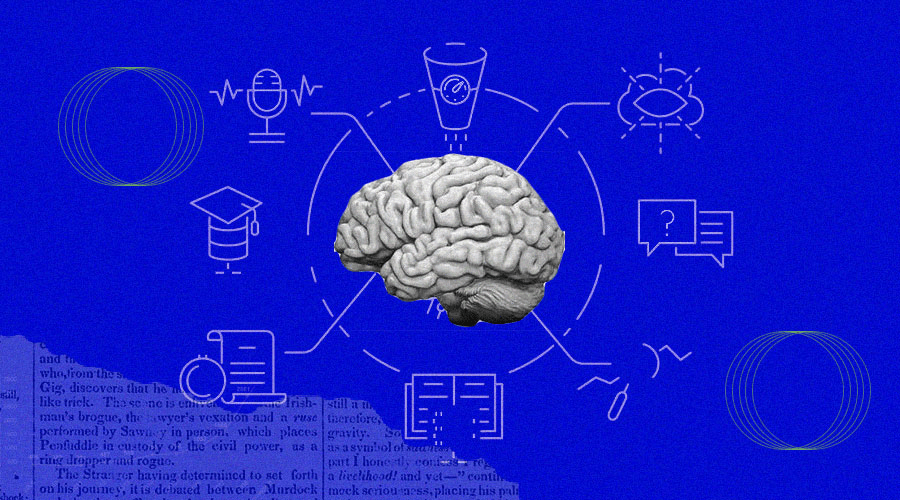
- Content Generation:
Generative AI models, like GPT-3, can produce high-quality text, ranging from news articles and marketing copy to creative writing and code. This automation of content creation streamlines processes, reduces costs, and allows businesses to maintain an active online presence. - Language Translation:
Generative AI facilitates real-time language translation with impressive accuracy. This feature is invaluable for businesses operating globally, enabling seamless communication and broadening their reach. - Chatbots and Virtual Assistants:
Chatbots powered by generative AI are employed in customer service, providing instant responses to user queries. Virtual assistants like Siri and Google Assistant also leverage generative AI to interpret and respond to natural language commands. - Personalized Recommendations:
E-commerce platforms and streaming services use generative AI to analyze user behavior and preferences, offering personalized product recommendations and content suggestions. This enhances customer engagement and drives sales. - Image and Video Generation:
Generative AI extends its capabilities to the visual domain, allowing the creation of realistic images, videos, and graphics. This is beneficial in design, entertainment, and advertising industries. - Healthcare Diagnosis:
Generative AI models can analyze medical images, such as X-rays and MRIs, aiding in the detection and diagnosis of diseases. They can also predict patient outcomes and assist in treatment planning. - Drug Discovery:
Generative AI accelerates drug discovery by simulating molecular structures and predicting potential drug candidates. This reduces the time and cost involved in developing new pharmaceuticals. - Financial Modeling:
In finance, generative AI is used for risk assessment, fraud detection, and portfolio optimization. It can analyze vast datasets and generate predictive models for investment decisions. - Creative Arts:
Generative AI is embraced by artists and musicians to create unique pieces of art and compose music. It adds a new dimension to creativity by offering novel ideas and inspiration. - Game Development:
Game developers use generative AI to generate game levels, characters, and narratives, enhancing gameplay experiences and reducing development time. - Natural Language Understanding:
Generative AI models can comprehend and generate human-like responses in multiple languages. This capability is essential for multilingual customer support and global communication. - Human Resource Management:
HR departments utilize generative AI for resume screening, candidate matching, and automated responses to common employee inquiries, improving recruitment and HR operations.
As generative AI continues to advance, its applications will only expand further, impacting various industries and redefining how businesses interact with their customers, create content, and make data-driven decisions. However, alongside these opportunities, organizations must also address ethical considerations and potential biases in AI algorithms to ensure responsible and equitable use of this powerful technology.
Generative AI in E-commerce
E-commerce has witnessed exponential growth in recent years, making it a prime candidate for the implementation of generative AI technologies. Generative AI is leveraged in e-commerce for:
- Personalized Product Recommendations: Generative AI algorithms analyze user behavior, past purchases, and preferences to suggest relevant products, leading to higher conversion rates and increased sales.
- Visual Search: By understanding images and videos, generative AI enables visual search capabilities, allowing users to find products by uploading images, which enhances the shopping experience.
- Content Generation: Product descriptions, reviews, and social media posts can be automatically generated using generative AI, saving time and effort for e-commerce companies.

Generative AI in Healthcare
Healthcare is another sector where generative AI is making significant strides. It is used for:
- Medical Imaging: Generative AI models help in interpreting medical images such as X-rays, MRIs, and CT scans, assisting healthcare professionals in diagnosing diseases more accurately and quickly.
- Drug Discovery: Generative AI accelerates drug discovery by predicting potential drug candidates and their chemical properties, reducing the time and cost associated with pharmaceutical research.
- Personalized Treatment Plans: By analyzing patient data, including genetics and medical history, generative AI can assist in creating personalized treatment plans, improving patient outcomes.

Generative AI in Insurance
The insurance industry is embracing generative AI to streamline processes and enhance risk assessment:
- Claims Processing: Generative AI automates claims processing by extracting information from documents, photos, and videos, reducing errors and expediting claim settlements.
- Underwriting: By analyzing vast amounts of data, including customer profiles and historical claims, generative AI helps insurers make more informed underwriting decisions.
- Fraud Detection: Generative AI models can identify unusual patterns and behaviors, aiding in the detection of fraudulent insurance claims.

Generative AI in Telecom
In the telecom sector, generative AI plays a pivotal role in improving network performance and customer experience:
- Network Optimization: Generative AI analyzes network data to predict and prevent network outages, ensuring uninterrupted service for customers.
- Customer Support: Chatbots powered by generative AI can handle routine customer inquiries, reducing the burden on human customer support agents and providing 24/7 assistance.
- Predictive Maintenance: Generative AI can forecast equipment failures, allowing telecom companies to proactively maintain infrastructure and reduce downtime.

Generative AI in Manufacturing
Manufacturing is experiencing a revolution with the integration of generative AI:
- Quality Control: Generative AI-powered computer vision systems can detect defects in real-time, improving product quality and reducing waste.
- Supply Chain Optimization: Generative AI models analyze supply chain data to optimize inventory management, reduce lead times, and enhance overall efficiency.
- Product Design: Generative AI assists in product design by generating multiple design alternatives based on specified criteria, fostering innovation and creativity.

Challenges and Future Outlook
While generative AI holds immense promise across these industries, there are challenges to address, including data privacy concerns, bias in algorithms, and regulatory compliance. Companies must also invest in robust cybersecurity measures to protect sensitive data.
Looking ahead, the future of generative AI is bright, with ongoing research and development focused on improving the technology’s capabilities. As it becomes more accessible and user-friendly, generative AI will continue to drive innovation, transform industries, and improve the lives of people around the world.
Conclusion
Generative AI is a transformative force across diverse industries, including e-commerce, healthcare, insurance, telecom, and manufacturing. Its ability to analyze data, generate content, and make predictions has the potential to reshape how businesses operate, interact with customers, and make decisions. As we navigate the evolving landscape of AI technology, it is essential for organizations to embrace generative AI responsibly, addressing ethical concerns and ensuring its benefits are accessible to all. With the continued advancement of generative AI, we can anticipate even more remarkable applications and opportunities in the years to come.

 Development Consulting