In a world where digital transactions and online interactions have become the norm, the need for robust fraud detection systems has never been more critical. As technology advances, so do the tactics of cybercriminals, making it essential to stay one step ahead. Fortunately, Artificial Intelligence (AI) has emerged as a powerful tool in the fight against fraud. In this article, we will delve into the fascinating realm of AI in fraud detection, exploring how it’s revolutionizing the way we protect our financial assets and personal information.
AI’s Rise to Prominence in Fraud Detection
In the past, fraud detection often relied on rule-based systems and human intuition to identify suspicious activities. However, these methods were limited in their ability to adapt to evolving fraud techniques. This is where AI, with its ability to learn, analyze vast datasets, and identify intricate patterns, has stepped in to transform the landscape of fraud detection.
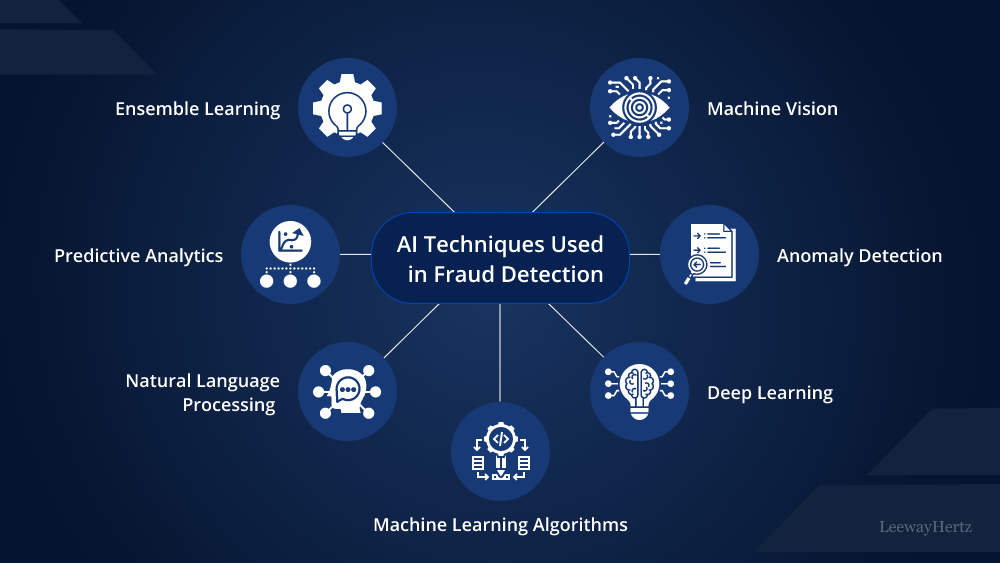
AI leverages machine learning algorithms to process and analyze data from a multitude of sources, enabling it to recognize anomalies and detect potential fraud in real-time. Whether it’s in the realm of banking, e-commerce, insurance, or even healthcare, AI is proving its mettle as a versatile guardian against fraudulent activities.
Key Components of AI in Fraud Detection
- Pattern Recognition: AI systems excel at identifying patterns, and in the context of fraud detection, this is invaluable. They can spot unusual behaviors or transactions that deviate from established norms. For example, if a person who typically makes small, local purchases suddenly starts making large, international transactions, the AI system can raise a red flag.
- Behavioral Analysis: AI can assess user behavior, creating profiles of individuals and their typical activities. This enables the system to detect deviations from a user’s usual conduct, such as login times, purchase preferences, or transaction amounts.
- Real-time Monitoring: One of the most significant advantages of AI in fraud detection is its ability to operate in real-time. It can instantly respond to potential threats, mitigating the impact of fraud before it escalates.
- Machine Learning: Machine learning models improve over time as they ingest more data. They can adapt to new fraud schemes and techniques, making them a continuously evolving defense against fraud.
- Natural Language Processing (NLP): In addition to numerical data, AI systems can process and analyze textual information. This capability is particularly valuable in sectors like insurance, where fraudulent claims may involve the manipulation of written documents.
Benefits of AI in Fraud Detection
The incorporation of AI in fraud detection comes with numerous advantages, including:
- Accuracy: AI systems significantly reduce false positives by making more precise determinations, enhancing the efficiency of fraud detection processes.
- Efficiency: Automation of fraud detection tasks allows human analysts to focus on more complex and nuanced cases, increasing productivity and reducing response times.
- Adaptability: AI systems are not static; they evolve with new data and emerging threats, making them a sustainable solution for fraud prevention.
- Cost Reduction: By minimizing the need for extensive manual reviews and investigations, AI can help companies save on operational costs associated with fraud prevention.
- Enhanced Security: With real-time monitoring and instant responses, AI reduces the window of opportunity for fraudsters, fortifying the security of systems and sensitive data.
Challenges and Ethical Considerations
While AI in fraud detection offers immense promise, it also presents challenges and ethical considerations. These include issues related to data privacy, algorithmic bias, and the potential for false accusations. Striking a balance between effective fraud detection and protecting individual rights remains a critical task for both technology developers and policymakers.
Conclusion
AI in fraud detection is revolutionizing the way we protect our financial assets and personal information in an increasingly digital world. Its ability to learn, adapt, and detect anomalies in real-time makes it a formidable ally in the battle against fraud. However, as we continue to harness the power of AI in this domain, we must remain vigilant in addressing the ethical and privacy concerns that come with it. As technology evolves, so must our approach to safeguarding our digital lives.
Source Url: https://www.leewayhertz.com/ai-in-fraud-detection/

 Development Consulting